

Kitchen Chimney Tech: Your Complete FAQ Guide
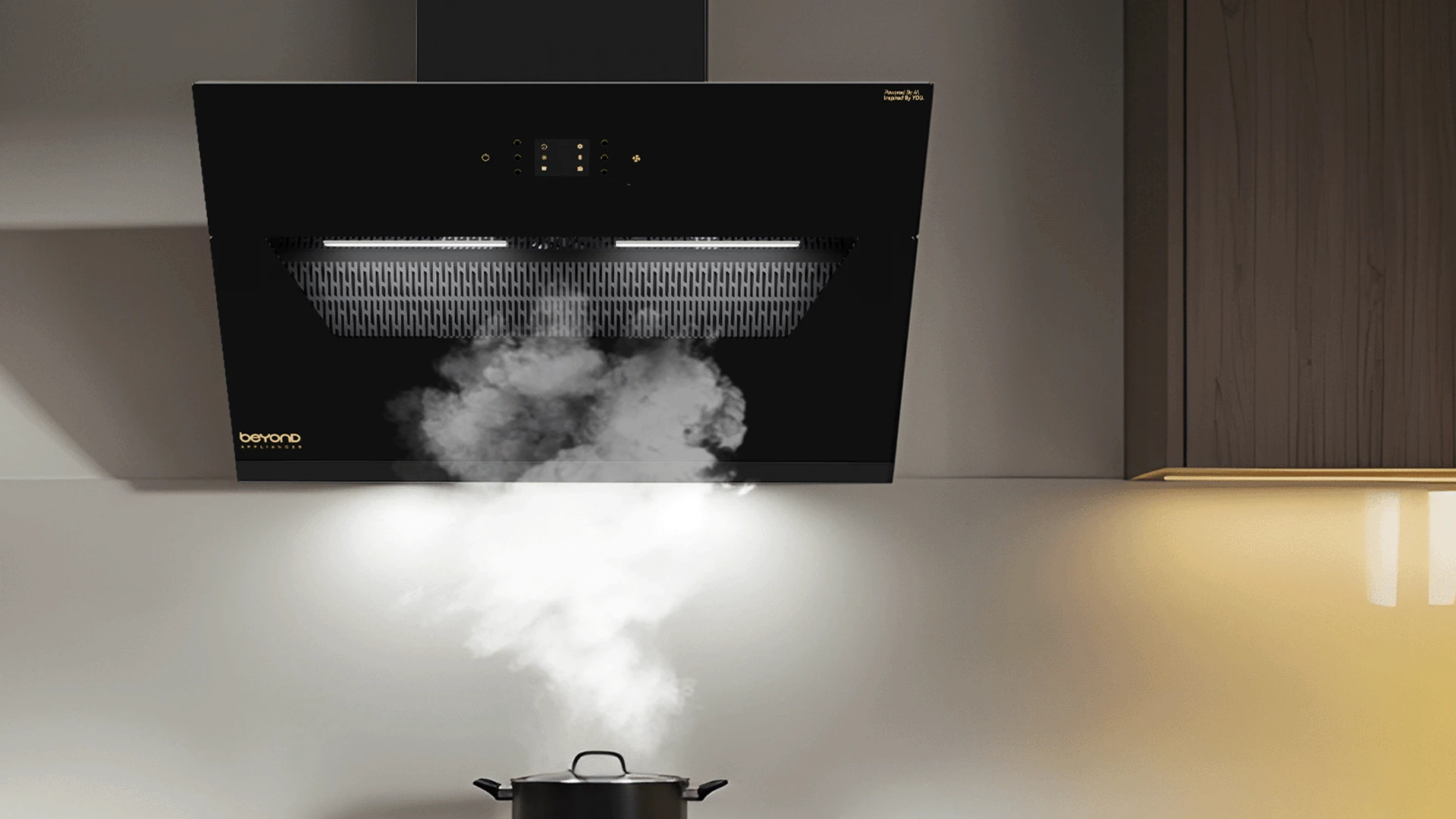
Modern kitchen chimney technology has revolutionized how we manage cooking odors, smoke, and grease in Indian kitchens. With advanced features like auto-clean mechanisms, BLDC motors, and smart controls, today's kitchen exhaust systems offer superior performance compared to traditional exhaust fans. Understanding the various technologies available helps homeowners make informed decisions about their kitchen ventilation needs. From ductless chimneys to sophisticated fume extraction systems, the right technology can transform your cooking experience while maintaining a clean, odor-free kitchen environment.
Kitchen chimney technology encompasses the sophisticated engineering behind modern kitchen exhaust systems. These appliances use powerful motors, advanced filtration, and intelligent design to remove smoke, odors, and grease particles from your cooking area. Unlike basic exhaust fans, modern kitchen ventilation systems incorporate multiple technologies working together to provide comprehensive air purification. The core components include high-performance motors (often BLDC technology), multi-layer filtration systems, and smart control mechanisms. These elements work in harmony to ensure effective smoke removal and odor control. Modern chimneys also feature improved chimney design that maximizes suction efficiency while minimizing noise levels. The integration of sensors and automated features has made these smart kitchen appliances more user-friendly and efficient than ever before.
The motor serves as the heart of any kitchen chimney, with BLDC (Brushless Direct Current) motors offering superior energy efficiency and quieter operation. These motors provide consistent suction power while consuming less electricity compared to conventional alternatives. Filtration systems typically include baffle filters for grease separation and carbon filters for odor control. The suction mechanism creates negative pressure that draws cooking fumes upward, while control panels allow users to adjust speed settings and activate special features like timer functions or automatic cleaning cycles.
Kitchen chimney technology comes in various configurations, each designed for specific kitchen layouts and cooking requirements. Understanding these differences helps you choose the most suitable system for your home. The two primary categories are ducted and ductless systems, each offering distinct advantages depending on your kitchen's infrastructure and ventilation needs. Ducted systems provide superior fume extraction by channeling air outside through dedicated ductwork. These systems offer the most effective smoke removal and are ideal for heavy cooking. Ductless chimney options recirculate filtered air back into the kitchen, making them suitable for apartments or homes where external ducting isn't feasible. Both types incorporate advanced filtration and motor technologies to ensure optimal performance.
Ductless chimneys use carbon filters and recirculation technology to clean air before returning it to the kitchen. These systems are easier to install and don't require external venting, making them popular for modern apartments. Ducted systems channel contaminated air outside through pipes, providing superior odor control and moisture removal. While installation is more complex, these systems offer better performance for heavy Indian cooking styles that generate substantial smoke and steam.
BLDC motor technology represents the latest advancement in kitchen chimney engineering. These motors operate more quietly, consume less energy, and provide consistent suction power throughout their lifespan. They're particularly effective for open kitchen designs where noise reduction is crucial. Conventional motors remain cost-effective options for budget-conscious buyers. While they may consume more energy and generate slightly more noise, they provide reliable performance for standard cooking requirements and are easier to service.
Modern kitchen chimney technology incorporates several advanced features that enhance performance and user convenience. Auto clean chimney systems use heat-based cleaning mechanisms to break down grease deposits automatically, reducing maintenance requirements significantly. These systems typically include oil collection chambers that make disposal simple and hygienic. 3D suction technology represents another significant advancement, using multiple suction points to capture smoke and odors more effectively. This technology can improve capture efficiency by up to 25% compared to traditional single-point suction systems. Smart kitchen appliances integration allows users to control their chimneys remotely, monitor performance, and receive maintenance alerts through smartphone apps.
Auto clean chimney technology uses controlled heating elements to break down grease and oil deposits on internal surfaces. This process typically runs for 10-15 minutes and can be scheduled automatically or activated manually. The collected oil drains into removable collection cups, making disposal clean and convenient. This technology significantly reduces manual cleaning requirements and helps maintain optimal suction performance over time.
Kitchen chimney technology performance is measured through several key metrics that determine effectiveness in real-world cooking scenarios. Suction power, measured in cubic feet per minute (CFM), indicates how much air the system can process. For Indian kitchens, a minimum of 400-600 CFM is recommended for effective smoke removal during heavy cooking. Noise levels, measured in decibels (dB), are crucial for kitchen comfort. Modern BLDC motor systems typically operate between 35-45 dB, significantly quieter than conventional motors. Energy efficiency ratings help determine long-term operating costs, with BLDC technology offering up to 50% energy savings compared to traditional motors. Filtration efficiency determines how effectively the system removes grease particles and odors from cooking fumes.
Baffle filters use curved metal plates to separate grease particles through centrifugal force. These filters are more effective for heavy cooking and easier to clean than traditional mesh filters. Carbon filters provide odor control by absorbing volatile compounds. In ductless systems, these filters are essential for maintaining air quality, though they require regular replacement to maintain effectiveness.
Kitchen chimney technology pricing in India varies significantly based on features, motor type, and brand positioning. Entry-level systems with basic functionality typically range from INR 8,000 to INR 15,000, offering adequate performance for light to moderate cooking. Mid-range options, priced between INR 15,000 and INR 30,000, include features like auto-clean technology, BLDC motors, and improved filtration systems. Premium smart kitchen appliances with advanced features like IoT connectivity, touch controls, and superior build quality can cost INR 30,000 or more. When evaluating kitchen chimney technology, consider the total cost of ownership, including energy consumption, filter replacements, and maintenance requirements. BLDC motor systems, while initially more expensive, often provide better long-term value through energy savings and reduced maintenance needs.
Auto clean chimney systems typically add INR 3,000-5,000 to the base price but can save significant maintenance costs over time. The convenience factor and improved hygiene make this investment worthwhile for frequent cooks. BLDC motor technology may increase initial costs by INR 2,000-4,000 but provides energy savings of 30-50% compared to conventional motors, resulting in lower electricity bills and quieter operation.
For heavy Indian cooking with lots of oil and spices, ducted chimneys with BLDC motors and auto-clean technology provide the best performance. These systems effectively handle the high volume of smoke and grease typical in Indian kitchens. The auto-clean feature is particularly valuable as it reduces maintenance in high-use scenarios.
BLDC motor technology offers several advantages including 30-50% energy savings, quieter operation (typically 5-10 dB less noise), and longer lifespan. For kitchens used frequently or open kitchen designs, the improved performance and reduced noise make the additional investment worthwhile.
3D suction technology uses multiple suction points to capture smoke and odors from different angles, improving efficiency by up to 25%. Regular suction systems use a single central point, which may miss smoke that spreads to the sides. This technology is particularly effective in larger kitchens or when cooking on multiple burners simultaneously.
Auto clean technology uses heating elements to warm the chimney's internal surfaces to approximately 200°C for 10-15 minutes. This heat breaks down grease and oil deposits, which then drain into collection cups. The process can be activated manually or scheduled automatically, significantly reducing manual cleaning requirements.
Ductless chimneys are ideal for apartments where external ducting isn't possible. They use carbon filters to clean air before recirculating it back into the kitchen. While they may not be as effective as ducted systems for very heavy cooking, they provide adequate performance for most cooking styles and are much easier to install.
Kitchen chimney technology has evolved significantly, offering homeowners sophisticated solutions for kitchen ventilation and air quality management. BLDC motor technology provides superior energy efficiency and quieter operation, making it ideal for modern homes. Auto clean features reduce maintenance burden while ensuring consistent performance. When selecting kitchen chimney technology, consider your cooking style, kitchen layout, and long-term operating costs. Ducted systems offer superior performance for heavy cooking, while ductless options provide flexibility for apartments and homes with installation constraints. Smart features and IoT integration represent the future of kitchen exhaust systems, offering enhanced convenience and monitoring capabilities.
