

Induction vs Gas Stove: Which is Best for Your Kitchen?
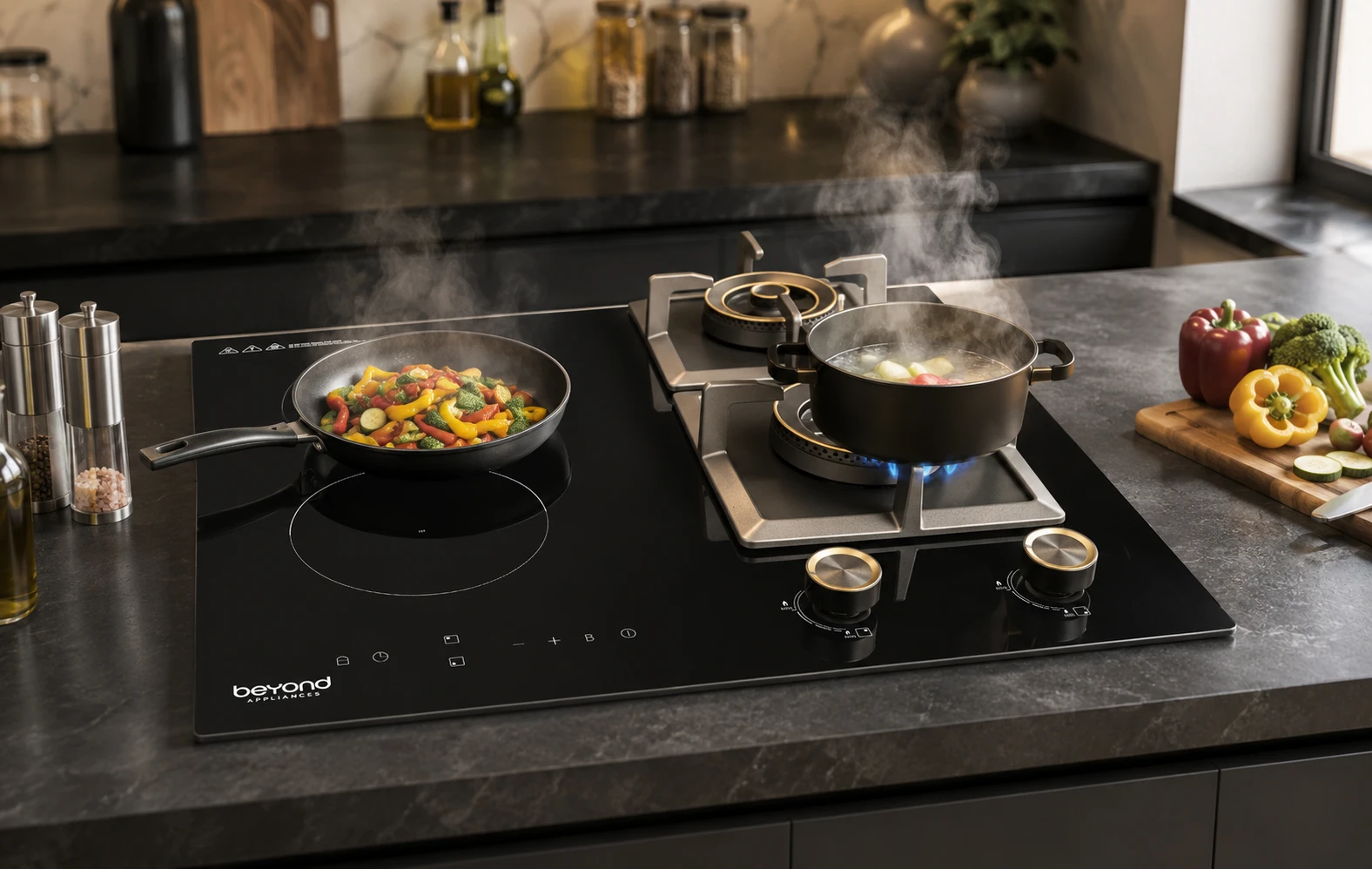
The kitchen is the heart of every Indian home, and choosing between an induction stove vs gas stove can make or break your cooking experience. With rising LPG prices and increasing focus on energy efficiency, more households are questioning whether their traditional gas ranges still make sense. Induction cooktops promise faster cooking, precise temperature control, and enhanced safety features, while gas stoves offer the familiar flame control that generations of Indian cooks have mastered. This comprehensive comparison examines performance, costs, safety, and practicality to help you make an informed decision. Whether you're renovating your kitchen or building a new home, understanding the real differences between these cooking technologies will ensure you choose the option that best fits your cooking style, budget, and long-term needs.
Understanding the fundamental technology behind each cooking method reveals why their performance characteristics differ so dramatically. Gas stoves operate through direct combustion, where LPG or natural gas burns to create an open flame that directly heats cookware. This traditional method provides immediate visual feedback and instant heat adjustment, making it intuitive for most cooks.
Induction cooktops use electromagnetic fields to generate heat directly within compatible cookware. When you place a magnetic pan on an induction surface, the cooktop creates a magnetic field that causes the pan's metal to heat up, while the cooktop surface itself remains relatively cool. This technology requires specific cookware materials like cast iron or magnetic stainless steel.
The heating mechanism differences explain why induction offers superior energy efficiency—nearly 90% of generated energy transfers directly to food, compared to gas stoves' 40-50% efficiency rate. However, gas provides more versatile cookware compatibility and doesn't depend on electricity for operation.
Gas stoves excel in their simplicity and universal cookware compatibility. Any pot or pan works on gas, from traditional clay vessels to modern non-stick cookware. The open flame also enables techniques like charring vegetables or roasting spices directly over fire.
Induction technology offers precise temperature control through digital interfaces and maintains consistent heat levels automatically. Many models include preset cooking modes, timers, and safety features like automatic shut-off when cookware is removed.
Modern induction cooktops deliver exceptional performance metrics that traditional gas ranges struggle to match. Speed stands as the most noticeable advantage—induction can boil water 50% faster than gas stoves, with a liter of water reaching boiling point in approximately 3-4 minutes compared to 6-8 minutes on gas.
Temperature precision represents another significant benefit. Induction cooktops maintain exact temperatures within 1-2 degrees Celsius, while gas flames can fluctuate by 10-15 degrees depending on burner adjustment and ambient conditions. This precision proves invaluable for delicate cooking techniques like tempering spices, making custards, or melting chocolate.
Energy efficiency calculations show induction's clear advantage. A typical 2000W induction cooktop consumes about 1.8 units of electricity per hour of cooking, costing approximately ₹9-12 depending on local electricity rates. Gas stoves consume roughly 0.5-0.7 kg of LPG per hour for similar cooking tasks, translating to ₹35-50 per hour at current LPG prices.
Induction provides uniform heat distribution across the entire cookware base, eliminating hot spots that can cause uneven cooking. The electromagnetic field ensures consistent heating from edge to center, particularly beneficial for large pans or when cooking for families.
Response time to temperature adjustments happens instantly with induction, while gas requires several seconds for flame adjustment to affect cooking temperature. This responsiveness allows for better control during critical cooking moments like preventing milk from boiling over or achieving perfect tadka timing.
Gas stoves maintain several compelling advantages that explain their continued popularity in Indian kitchens. Immediate heat availability without warm-up time allows cooks to start cooking instantly, while the visible flame provides intuitive feedback for heat level adjustments. This visual element helps experienced cooks gauge cooking intensity without relying on digital displays or indicators.
Cookware flexibility stands as gas stoves' strongest advantage. Every type of cookware works on gas—from traditional brass and copper vessels to modern aluminum and non-stick pans. This compatibility eliminates the need to replace existing cookware collections, saving thousands of rupees in transition costs.
Power independence ensures cooking capability during electricity outages, a significant consideration in areas with unreliable power supply. Gas stoves also enable traditional cooking techniques like direct flame roasting of rotis, charring vegetables, or preparing smoky flavors that define many regional Indian dishes.
However, gas stoves present notable disadvantages. Safety concerns include gas leaks, open flames near children, and carbon monoxide risks in poorly ventilated kitchens. Cleaning challenges arise from grease buildup on burner grates and drip pans, requiring regular deep cleaning maintenance.
Initial purchase costs for quality gas stoves range from ₹8,000-25,000, while installation requires professional gas line connections costing ₹2,000-5,000 additional. Monthly LPG cylinder costs have risen to ₹800-1,200, making gas cooking increasingly expensive for heavy users.
Maintenance expenses include periodic burner cleaning, gas line inspections, and eventual replacement of worn components like ignition systems or gas valves. These costs typically add ₹1,000-3,000 annually for regular maintenance.
Many consumers confuse electric coil stoves with induction cooktops, but these technologies differ significantly in performance and efficiency. Traditional electric stoves use heated coils or solid plates that warm up and transfer heat through direct contact, similar to gas but without flames.
Electric coil stoves suffer from slow heating and cooling times, taking 5-10 minutes to reach full temperature and similar time to cool down after turning off. This sluggish response makes precise temperature control difficult and wastes energy during heating and cooling cycles.
Induction cooktops heat cookware directly through electromagnetic induction, bypassing the intermediate heating element entirely. This direct heating method provides instant response to temperature changes and stops generating heat immediately when turned off, improving both efficiency and safety.
Energy consumption comparisons show induction's superiority over both gas and electric alternatives. While electric coil stoves achieve only 65-70% efficiency, induction reaches 85-90% efficiency rates. This translates to lower electricity bills and reduced cooking times for identical meals.
Electric coil stoves present burn risks from hot surfaces that remain dangerous long after cooking ends. The coils and surrounding areas stay hot for 15-30 minutes, posing safety hazards especially around children.
Induction surfaces remain cool to touch since heat generates only in the cookware. This safety feature eliminates burn risks and makes cleaning easier since spilled food doesn't burn onto the surface. Most induction cooktops include child safety locks and automatic shut-off features when cookware is removed.
Safety considerations play a crucial role in stove selection, particularly for families with children or elderly members. Gas stoves incorporate Flame Failure Devices (FFD) that automatically cut gas supply if flames extinguish unexpectedly, preventing gas accumulation and potential explosions. Modern gas ranges also include auto-ignition systems that eliminate the need for matches or lighters.
However, gas stoves still present inherent risks from open flames, gas leaks, and carbon monoxide production. Proper ventilation becomes essential, and regular leak detection using soapy water solutions helps identify potential hazards before they become dangerous.
Induction cooktops offer superior safety through multiple built-in features. Child safety locks prevent accidental activation, while automatic pan detection ensures the cooktop only operates when compatible cookware is present. Overheat protection shuts down the unit if temperatures exceed safe limits, and residual heat indicators warn users when surfaces remain warm.
The cool-to-touch surface eliminates burn risks from accidental contact, while the absence of open flames removes fire hazards entirely. Power failure automatically shuts off induction units, preventing unattended cooking situations.
Gas stove emergencies require immediate action—suspected leaks demand shutting off the main gas valve, opening windows for ventilation, and avoiding electrical switches that could create sparks. Carbon monoxide poisoning symptoms include headaches, dizziness, and nausea, requiring immediate fresh air and medical attention.
Induction emergencies are typically limited to electrical issues or cookware problems. Overheating protection prevents most dangerous situations, while the electromagnetic field poses no health risks at normal cooking distances. Emergency shutdown involves simply removing cookware or pressing the power button.
Choosing the optimal stove type depends on multiple factors beyond simple performance comparisons. Kitchen size and ventilation significantly impact stove selection—gas stoves require adequate ventilation for safe operation, while induction units need sufficient electrical capacity and proper circuit protection.
Cooking habits and family size influence the decision substantially. Families preparing elaborate multi-course meals may benefit from gas stoves' cookware flexibility and multiple burner configurations. Smaller households focused on quick, efficient cooking often prefer induction's speed and precision.
Budget considerations extend beyond initial purchase prices to include installation, operation, and maintenance costs. While gas stoves cost less initially, induction's operational savings can offset higher purchase prices within 12-24 months for regular users.
Existing kitchen infrastructure plays a crucial role. Homes with established gas connections and adequate ventilation favor gas stoves, while properties with robust electrical systems and limited ventilation space suit induction better. Modern smart gas hobs like Beyond Appliances' models combine traditional gas cooking with advanced safety features including seamless auto-ignition from knob to flame, backed by Flame Failure Devices that cut gas supply if the flame goes out.
Regional factors significantly impact stove selection viability. Areas with frequent power outages make gas stoves more practical despite higher operating costs. Urban apartments with limited ventilation often mandate induction for safety and air quality reasons.
Cooking style preferences also matter—traditional cooks who rely on visual flame cues and direct fire techniques may struggle with induction's digital interface and electromagnetic heating. Conversely, precision-focused cooks appreciate induction's exact temperature control and consistent results.
Induction cooktops cost 60-70% less to operate daily compared to gas stoves. While gas stoves have lower initial purchase costs, induction's energy efficiency results in monthly savings of ₹1,200-1,500 for average families, making the payback period 12-18 months.
Only magnetic cookware works on induction surfaces. Test your existing pots and pans with a magnet - if it sticks firmly to the bottom, they're compatible. Cast iron, magnetic stainless steel, and enameled iron work perfectly, while aluminum, copper, and glass require replacement.
Beyond Appliances gas hobs include essential safety features like auto-ignition systems and Flame Failure Devices (FFD) that automatically cut gas supply if flames extinguish. These safety mechanisms, combined with proper installation and ventilation, make them suitable for family kitchens.
Induction heating is significantly faster, boiling water 50% quicker than gas stoves. A liter of water reaches boiling point in 3-4 minutes on induction versus 6-8 minutes on gas, making induction ideal for busy cooking schedules.
Induction excels at precise temperature control for techniques like tempering spices and making delicate gravies. However, direct flame cooking methods like charring rotis or roasting spices over open fire require gas stoves for authentic results.
The choice between induction and gas stoves ultimately depends on your cooking habits, budget, and kitchen infrastructure. Induction offers superior energy efficiency, faster cooking times, and enhanced safety features, making it ideal for modern households prioritizing convenience and cost savings. Gas stoves provide cookware flexibility, power independence, and traditional cooking capabilities that many Indian families value.
For those choosing gas technology, modern smart hobs deliver the best of both worlds. High-efficiency brass burners provide maximum heat output and gas savings, while seamless auto-ignition from knob to flame eliminates the hassle of manual lighting. Advanced safety features like Flame Failure Devices ensure peace of mind by automatically cutting gas supply if flames go out unexpectedly.
Consider your long-term cooking needs, existing kitchen setup, and family safety requirements when making this important decision. Both technologies have evolved significantly, offering reliable solutions for different household preferences and cooking styles.
