Induction vs Gas Stove Deals: Which Cooktop Fits Your Kitchen?
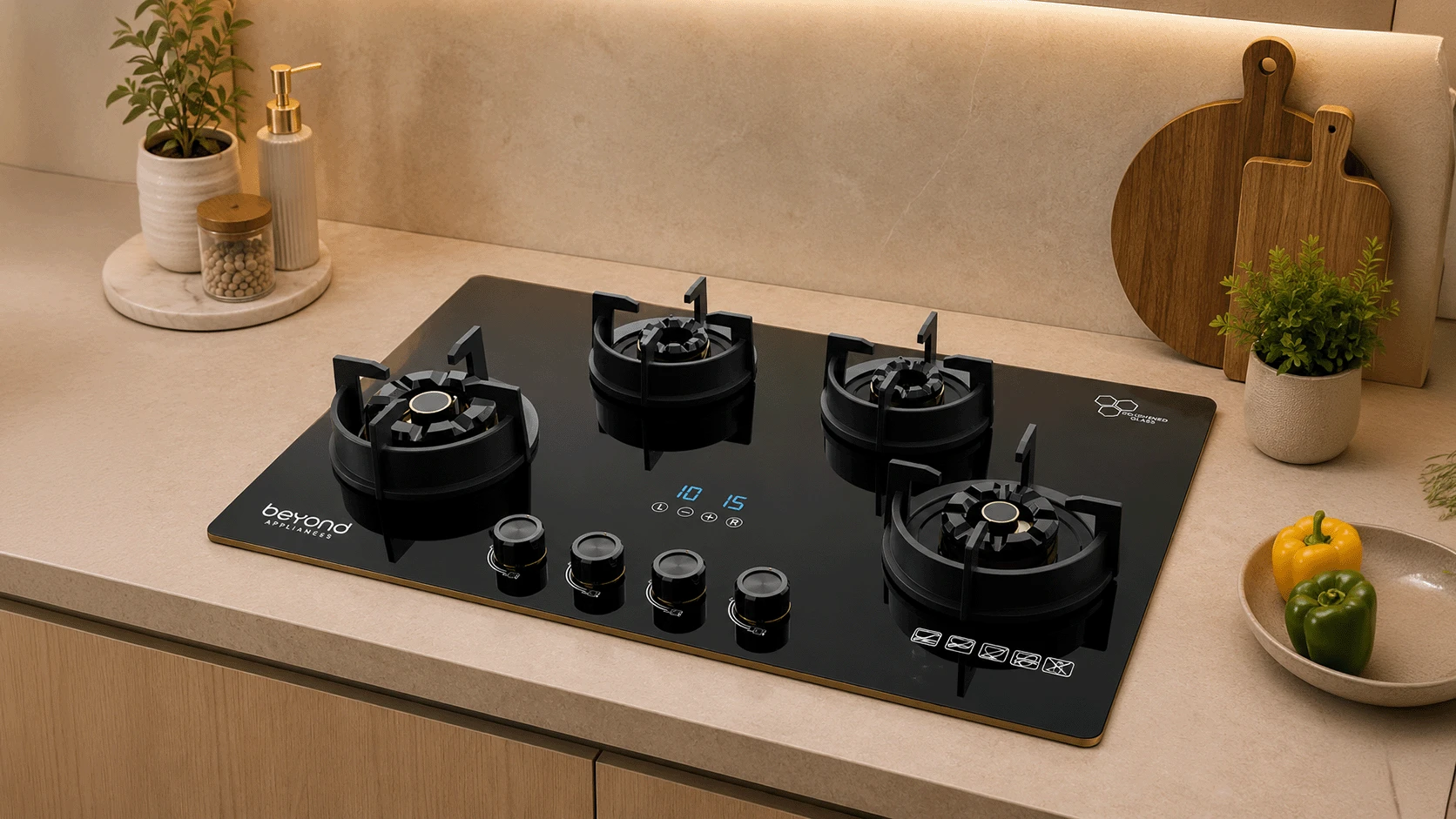
Cooktop stove deals can look similar until you compare the heat source, cookware needs, and kitchen layout. Gas supports familiar flame control. Induction heats compatible pans directly. Electric cooktops use a powered surface and need steady electricity. The right choice depends on how you cook each day, not only on the listed cooktop price. For homes that prefer gas cooking with added safeguards, Beyond Appliances offers options with auto ignition, digital timers, and Flame Failure Devices. An FFD cuts the gas supply when a flame goes out. This guide compares the main cooktop types, burner counts, and price bands for an informed shortlist.
Choose gas for flame-based cooking, induction for compatible cookware and a cool surrounding surface, and electric for a wired surface option.
Compare burner count, available counter space, gas access, safety features, and service terms before reviewing a cooktop sale.
Prices can start below ₹1,000 and extend beyond ₹40,000, depending on type, size, and features.
Each cooktop transfers heat in a different way. This affects pan choice, daily cleaning, and installation needs. A gas stove uses fuel and an open flame. An induction cooktop uses electricity and a magnetic field. An electric cooktop heats an element or ceramic surface.
Safety also differs by type. Gas models need safe gas connections and flame monitoring. Induction surfaces do not create an open flame, though the pan can stay hot after use. Electric surfaces also retain heat after cooking.
An induction cooktop creates heat in the base of compatible cookware. The pan must have a magnetic base. Check this before buying an induction pressure cooker or other cookware. The surrounding surface is easier to wipe when spills happen, but the unit depends on electricity. A smart cooktop may add timers or controls, but cookware compatibility remains essential.
A gas stove gives visible flame control and works with many common pots and pans. It depends on an LPG cylinder or pipeline. An electric cooktop uses a heated coil or ceramic zone. It needs electricity and works with cookware suited to its surface. Both gas and electric units need clear space around the cooking area.
Cooktop price varies with burner count, build materials, controls, and safety systems. Entry induction units may appear below ₹1,000. Other listed options begin around ₹619. Treat these as reference points, not fixed prices. Confirm the live price, included accessories, warranty, and installation terms with a verified seller.
Higher pricing can reflect more burners, built-in fitment, heavier pan supports, timers, and safety cut-offs. A modern cooktop should fit the counter cut-out and leave room for safe use. Compare the complete cost, not only the headline price.
Under ₹2,500, choices commonly focus on compact induction cooking. These units can suit a small household, a rental kitchen, or a backup cooking point. Check wattage, control layout, cord condition, and the pan requirement. A low entry price can be useful, but it should not replace checks on warranty and service availability.
The ₹5,700 to ₹40,000 range can include larger gas hobs, multi-zone induction units, and feature-led cooktops. Premium listings may exceed ₹40,000. Compare glass thickness, burner material, pan supports, ignition type, and warranty coverage. A timer can help when a dish needs a set cooking duration. An FFD adds protection if a gas flame goes out.
Do not choose a hob stove from a brand name alone. Compare the same details across every shortlisted model. Check the stated warranty, local service access, cooking surface, and parts covered. Confirm current specifications because listings and model variants can differ.
For gas units, look at burner material, support stability, ignition, and flame safety. For induction and electric units, check wattage, zones, controls, and cookware rules. Build quality matters most when the cooktop will handle frequent Indian cooking.
Warranty: Read comprehensive and component-specific coverage.
Build: Check glass, burners, and pan supports.
Safety: Look for an FFD on a gas cooktop.
Service: Confirm support coverage for your area.
Beyond Appliances Dorado gas hob is available with three or four burners. Its cast iron support, full brass burners, smart timer, auto ignition, and FFD suit homes that want gas cooking with timed shut-off. It can work as a tabletop or hob unit, subject to the planned setup.
Burner count should match cooking frequency and available counter space. A two-burner induction cooktop can suit one or two people, small kitchens, or meals with fewer vessels. It may also be easier to store when the counter must serve more than one purpose.
A four-burner cooktop suits larger households and regular multi-dish cooking. Measure the counter before choosing it. Also check whether large pans can sit side by side without blocking controls or another cooking zone.
Choose two burners for compact kitchens and lighter meal preparation.
Choose four burners for frequent parallel cooking.
Check electrical capacity for induction units.
Check gas access and cut-out size for built-in gas hobs.
The Beyond Appliances Altair gas hob is a four-burner model with a jumbo burner, cast iron support, full brass burners, a smart timer, and FFD. Its 10.4 kW heat output may suit households that often cook several dishes together. It uses battery ignition, which should be considered during maintenance planning.
Kitchen appliance deals can appear during the Big Billion Days and the Great Indian Festival. These events are useful for planning, not for rushing a decision. Shortlist the required size and safety features before the sale window. Then compare the final price with installation, delivery, and warranty terms.
Cashback, exchange offers, extended warranty add-ons, and bank-linked reductions can change the effective cost. Verify each condition before payment. Platform-led labels and seller listings should also be checked for model number, included items, and service support.
A cooktop sale is worth considering when the appliance meets your kitchen plan. A low price does not fix an unsuitable burner layout, missing safety feature, or incompatible cookware.
Start with the kitchen, then select the appliance. A modular kitchen may need a built-in hob with a confirmed cut-out. An open kitchen may make surface cleaning and visible design more important. A kitchen without a gas pipeline may favour induction or electric cooking, depending on electrical capacity.
Your cooking style also guides the choice. Gas can suit households that prefer direct flame control. Induction can suit users with compatible cookware. Timers can help when cooking tasks overlap.
Measure counter width, depth, and cut-out requirements.
Confirm LPG or pipeline access for a gas stove.
Check cookware compatibility for induction.
Set a budget that includes installation needs.
Review FFD, ignition, timer, and warranty details.
For a tabletop gas option, the Beyond Appliances Auriga gas cooktop offers three or four burners, brass burners, a digital timer, auto ignition, and FFD. Its 6 mm glass top and stated warranty terms should be reviewed against your daily cooking volume and counter space.
The best cooktop for a household depends on burner count, wattage, controls, cookware needs, warranty, and service access. Compare current model specifications rather than relying only on a ranking. Confirm whether the surface is induction, coil, or ceramic before buying.
A range combines a cooking surface with an oven below it. A cooktop is only the surface cooking unit. A cooktop may be built into a counter or used as a tabletop appliance.
Compare price positioning, stated build materials, warranty coverage, safety features, and after-sales availability. For gas models, assess burner material, pan support, ignition, and FFD. Beyond Appliances models such as Dorado, Altair, and Auriga list these feature details for comparison.
New cooktops in India can cost under ₹1,000 or more than ₹40,000. Type, burner count, build, and added features affect the price. Verify the current seller price before making a decision.
There is no single best cooktop for every kitchen. Induction suits compatible cookware and electric cooking. Gas suits flame-based cooking and varied vessels. Electric cooktops offer another powered surface option. Match the appliance to your fuel access, counter layout, household size, and cooking habits.
For gas-focused homes, Beyond Appliances options show how practical features can address daily needs. A smart timer can support timed cooking, while an FFD responds when a flame goes out. These details, along with fitment and warranty, make a more useful comparison than the cooktop price alone.