
How to Use Auto Ignition Gas Hob Features Right
Cart
Your cart is empty
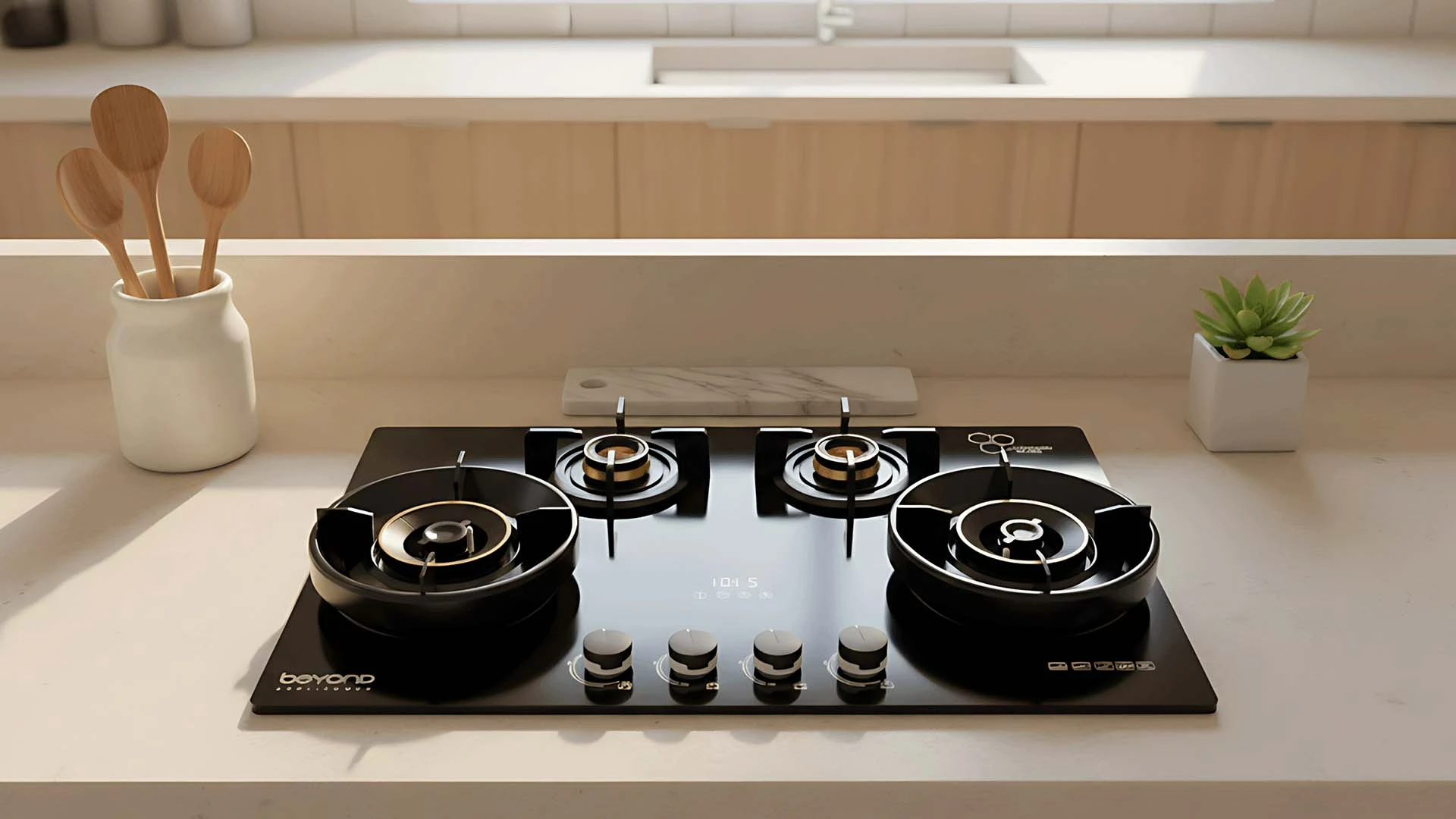
Modern kitchens demand convenience and safety, making auto ignition gas hob features essential for today's cooking needs. These smart cooking solutions eliminate the hassle of matches or lighters while providing instant flame control at your fingertips. Understanding how to properly use these advanced features ensures safer cooking experiences and maximizes your appliance's efficiency. Whether you're upgrading from a manual gas stove or exploring new kitchen technologies, mastering auto ignition systems transforms your daily cooking routine into a seamless, worry-free experience.
Auto ignition gas hob features represent a significant advancement in kitchen safety and convenience. These systems use electronic mechanisms to create sparks that instantly light gas burners without external ignition sources. The technology operates through either battery-powered electronic modules or piezo-electric igniters that generate electrical sparks when activated. The core advantage lies in eliminating manual lighting risks. Traditional gas stoves require matches or lighters, creating potential burn hazards and gas exposure risks. Gas hob ignition systems provide immediate flame activation with simple knob operation, making cooking safer for all family members.
Battery-powered electronic ignition offers consistent spark generation and typically provides more reliable performance. These systems maintain steady electrical output, ensuring quick ignition even in humid conditions. Piezo-electric mechanisms generate sparks through mechanical pressure without requiring batteries. While maintenance-free, they may require slightly more force during operation and can be sensitive to moisture exposure.
Modern automatic hob ignition systems include flame failure devices that automatically shut off gas flow if flames extinguish unexpectedly. This critical safety feature prevents gas accumulation and potential hazards in your kitchen environment.
Today's gas hob features extend far beyond basic ignition capabilities. Understanding these advanced functionalities helps you maximize your cooking efficiency and safety. Modern auto ignition hobs integrate multiple technologies to create comprehensive cooking solutions. One-touch ignition represents the most user-friendly feature, allowing instant flame activation with minimal effort. This convenience proves especially valuable during busy cooking sessions when quick burner control becomes essential.
Advanced kitchen hob features include independent ignition systems for each burner. This design allows simultaneous cooking on multiple burners without interference between ignition systems. Each burner maintains its own electronic module, ensuring consistent performance even if one system requires maintenance. This independence proves crucial for complex meal preparation requiring multiple cooking zones.
Smart cooking hob designs combine ignition and heat control in single knob operations. This integration allows precise flame adjustment immediately after ignition, streamlining your cooking workflow. Precise heat control enables better cooking results, from gentle simmering to high-heat searing. The seamless transition from ignition to heat adjustment eliminates the need for separate controls.
Proper operation of hob with auto ignition ensures optimal performance and longevity. Following correct procedures prevents common issues and maintains safety standards throughout your cooking experience. These steps apply to most auto ignition gas hob models. Before operation, ensure adequate ventilation and check that burner caps are properly aligned. Misaligned components can prevent proper ignition and create safety hazards during cooking.
Verify gas connections are secure and leak-free using soapy water around connection points. Any bubbling indicates gas leaks requiring immediate professional attention before using your appliance. Check battery levels in electronic ignition models by testing spark strength. Weak sparks indicate battery replacement needs, preventing ignition failures during cooking.
Place cookware on the desired burner before ignition to prevent gas accumulation. Turn the control knob to the ignition position while pressing if your model requires button activation. Hold the knob in ignition position for 2-3 seconds to allow proper gas flow and spark generation. Release once flames appear and adjust heat level as needed for your cooking requirements.
Turn control knobs to the off position completely, ensuring gas flow stops entirely. Verify flames extinguish completely before leaving your cooking area unattended. Allow burners to cool before cleaning or maintenance activities. Hot surfaces can cause burns and damage cleaning materials during immediate post-cooking care.
Gas stove ignition problems can disrupt cooking routines, but most issues have simple solutions. Understanding common problems and their fixes helps maintain consistent performance and prevents unnecessary service calls. Regular troubleshooting knowledge empowers users to handle minor issues independently. Delayed ignition often results from dirty electrodes or low battery power. Cleaning spark electrodes with dry brushes removes food residue that interferes with electrical conductivity.
Weak sparks typically indicate battery replacement needs in electronic ignition models. Replace batteries with manufacturer-recommended types to ensure optimal performance and longevity. Spark electrode positioning affects ignition reliability. Ensure electrodes align properly with burner openings and maintain appropriate gap distances for effective spark generation.
Inconsistent gas pressure can prevent proper ignition timing. Check gas supply connections and ensure adequate pressure levels meet manufacturer specifications for your specific model. Burner cap misalignment disrupts gas flow patterns, preventing effective ignition. Properly seat all burner components according to manufacturer guidelines for optimal performance.
Regular maintenance ensures your efficient gas hob continues delivering reliable performance throughout its lifespan. Proper care prevents common problems and extends appliance longevity while maintaining safety standards. Establishing consistent maintenance routines protects your investment and ensures cooking reliability. Daily cleaning focuses on removing food residue and grease that can interfere with ignition systems. Use appropriate cleaning materials that won't damage electronic components or gas pathways.
Remove burner caps and grates for thorough cleaning with warm soapy water. Ensure all components dry completely before reassembly to prevent moisture-related ignition problems. Clean spark electrodes gently with dry brushes or cotton swabs. Avoid using water or cleaning solutions directly on electrical components to prevent damage or safety hazards.
Test ignition timing on all burners to identify performance changes requiring attention. Document any delays or irregularities for professional service scheduling if needed. Inspect gas connections for signs of wear or damage. Replace any deteriorated components immediately to maintain safety standards and prevent gas leaks.
Gas cooktop features vary significantly between models, making informed selection crucial for meeting your cooking needs. Consider your cooking habits, family size, and kitchen layout when evaluating different auto ignition options. The right features enhance your cooking experience while providing long-term value. Burner configuration affects cooking versatility and efficiency. Multiple burner sizes accommodate different cookware and cooking techniques, from delicate sauces to high-heat stir-frying.
Flame failure devices provide crucial safety protection by automatically shutting off gas flow if flames extinguish unexpectedly. This feature proves especially important in households with children or elderly family members. Heat output ranges determine cooking versatility. Higher BTU ratings enable faster heating and better high-temperature cooking, while precise low-heat control supports delicate cooking techniques.
Some models include digital displays showing heat levels and cooking timers. These features enhance cooking precision and help prevent overcooking or burning during complex meal preparation. Child safety locks prevent accidental ignition and provide peace of mind in family kitchens. These mechanisms require specific activation sequences that children cannot easily replicate.
Yes, auto ignition significantly improves safety by eliminating matches or lighters, reducing burn risks and gas exposure. The convenience of one-touch operation makes cooking more efficient and user-friendly for all family members.
Auto ignition is an electronic system that automatically creates sparks to light gas burners when activated. It uses either battery-powered or piezo-electric mechanisms to provide instant, safe flame ignition without external tools.
Auto ignition systems generate electrical sparks through electronic modules when you turn control knobs. The sparks ignite gas flow instantly, creating flames without requiring matches, lighters, or other external ignition sources.
While initial costs may be higher, auto ignition hobs often provide long-term savings through improved efficiency and safety. Maintenance costs remain minimal, primarily involving occasional battery replacement in electronic models.
Battery-powered electronic ignition systems continue working during power outages as long as batteries remain charged. Piezo-electric systems operate independently of electrical power, providing reliable ignition in all conditions.
Typically, batteries in auto ignition systems last 6-12 months with regular use. Battery life depends on usage frequency and quality of batteries used. Replace batteries when spark strength weakens noticeably.
Mastering auto ignition gas hob features transforms your cooking experience through enhanced safety, convenience, and efficiency. These advanced systems eliminate traditional ignition hazards while providing instant flame control for all your culinary needs. Regular maintenance and proper operation ensure optimal performance throughout your appliance's lifespan. Understanding your specific model's features and following manufacturer guidelines maximizes both safety and functionality. Whether you choose battery-powered or piezo-electric systems, auto ignition technology represents a valuable investment in modern kitchen convenience. The combination of safety features, user-friendly operation, and reliable performance makes auto ignition hobs essential for contemporary cooking environments.
