

How to Select the Perfect Ductless Chimney: Guide
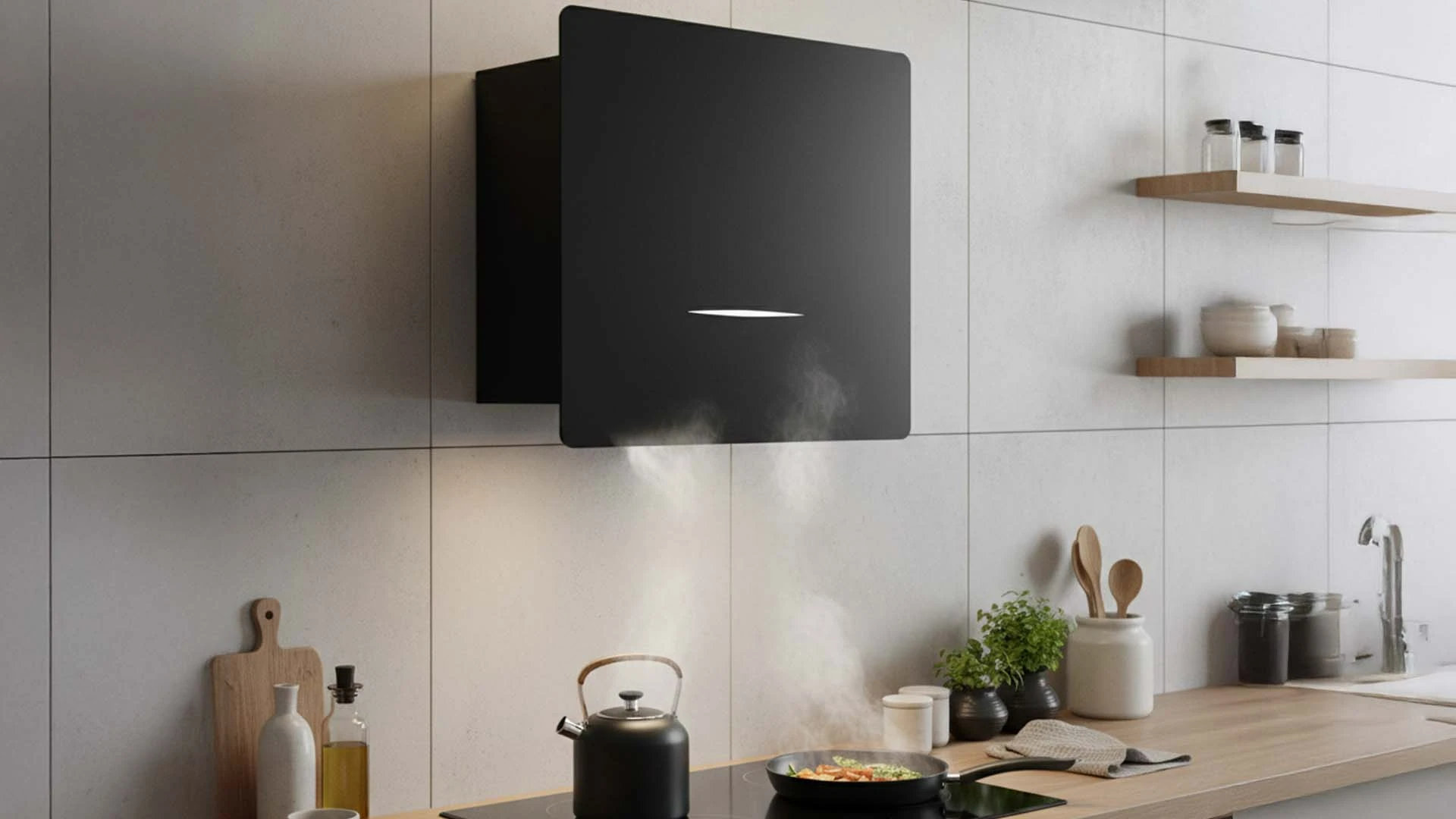
Choosing the right kitchen ventilation system can transform your cooking experience. Modern kitchens demand efficient solutions that balance performance, aesthetics, and practicality. Ductless chimneys have emerged as a popular choice for homeowners seeking effective ventilation without complex installation requirements. These innovative appliances offer flexibility and convenience, making them ideal for various kitchen layouts and living situations. Understanding when and how to select the perfect ductless chimney ensures you make an informed decision that enhances your kitchen's functionality while maintaining its visual appeal.
Knowing when to choose ductless chimney solutions depends on your specific kitchen setup and living situation. These versatile appliances excel in scenarios where traditional ducted systems face limitations or challenges.
Apartment dwellers often face restrictions on exterior modifications. Ductless chimneys eliminate the need for wall penetrations or roof venting. They work perfectly in high-rise buildings where running ducts to the exterior becomes impractical or impossible.
Existing homes may lack proper ductwork infrastructure. Installing new ducts can be expensive and disruptive. Ductless systems provide immediate ventilation without major structural changes. They offer a cost-effective solution for kitchen updates.
Tenants cannot make permanent modifications to rental units. Ductless chimneys require minimal installation and can be easily removed when moving. Property owners also prefer these systems for their lower installation costs and reduced maintenance requirements.
Understanding the differences between ductless vs ducted chimney systems helps you make the right choice for your kitchen. Each type offers distinct advantages depending on your specific needs and circumstances.
Ducted systems remove smoke and odors completely by venting them outside. Ductless systems filter and recirculate air back into the kitchen. While ducted systems offer superior odor removal, modern ductless units with advanced filtration provide excellent performance for most cooking activities.
Ducted installations require professional expertise and significant structural work. Chimney installation cost for ducted systems ranges from INR 15,000 to INR 40,000 including labor. Ductless systems typically cost INR 5,000 to INR 15,000 for installation, making them more budget-friendly.
Ductless systems consume less energy as they don't expel conditioned air from your home. They maintain indoor temperature better, reducing heating and cooling costs. Ducted systems can create negative pressure, forcing your HVAC system to work harder.
The ductless chimney benefits extend beyond simple ventilation. These systems offer multiple advantages that make them attractive for modern kitchens.
Recirculating range hood technology eliminates the need for exterior wall access. This feature proves invaluable in apartments, condos, or homes where exterior venting is restricted or impractical.
Eliminating ductwork significantly reduces installation expenses. Professional installation becomes simpler and faster. Many homeowners can even install basic models themselves with proper guidance.
Without duct constraints, you can position your chimney anywhere above the cooking surface. This flexibility allows for better kitchen design and layout optimization. Island installations become much easier and more affordable.
Ductless systems preserve conditioned indoor air. They don't create drafts or pressure imbalances. Your heating and cooling systems work more efficiently, leading to lower utility bills.
This comprehensive ductless chimney buying guide covers essential features to consider when selecting your ideal unit. Understanding these factors ensures you choose a system that meets your specific cooking and kitchen requirements.
Cubic feet per minute (CFM) rating determines suction power. Small kitchens need 200-300 CFM, while larger spaces require 400-600 CFM. Consider your cooking style and frequency when selecting appropriate CFM ratings.
Multi-layer filtration systems provide superior performance. Look for units with both grease and carbon filters. Washable aluminum filters reduce maintenance costs. Carbon filters effectively remove odors and should be replaceable.
Quiet operation enhances kitchen comfort. Look for units operating below 65 decibels at maximum speed. Variable speed controls allow you to balance performance with noise levels based on cooking intensity.
Smart kitchen appliances integration adds convenience and efficiency. Touch controls, remote operation, and smartphone connectivity provide modern functionality. Auto-shutoff features and timer controls enhance user experience.
Today's ventless range hood models incorporate advanced technologies that significantly improve their effectiveness and user experience. These features distinguish premium units from basic models.
Multi-stage filtration combines grease capture with odor elimination. High-quality units feature washable aluminum mesh filters for grease removal. Activated carbon filters neutralize cooking odors effectively. Some models include HEPA filters for superior air purification.
Multiple fan speeds accommodate different cooking activities. Low speeds handle light cooking and simmering. High speeds manage heavy frying and grilling. Automatic sensors adjust speeds based on smoke and heat detection.
Energy-efficient LED lights illuminate cooking surfaces effectively. Adjustable brightness settings provide optimal visibility. Long-lasting LEDs reduce maintenance requirements. Some units offer color temperature adjustment for ambient lighting.
Understanding chimney installation cost and requirements helps you budget effectively and plan your kitchen upgrade. These systems offer significant cost advantages over ducted alternatives.
Basic wall-mounted units often allow DIY installation. Under-cabinet models typically require minimal electrical work. Complex island installations may need professional assistance. Always follow manufacturer guidelines and local electrical codes.
Basic ductless units start around INR 8,000 to INR 15,000. Mid-range models with advanced features cost INR 20,000 to INR 35,000. Premium units with smart features range from INR 40,000 to INR 70,000. Installation costs add INR 3,000 to INR 10,000 depending on complexity.
Replacement filters require ongoing investment. Carbon filters need replacement every 6-12 months, costing INR 1,500 to INR 3,000. Electrical upgrades may be necessary for high-powered units. Consider these recurring expenses in your total cost calculation.
Modern ductless chimneys handle most cooking activities effectively. High-CFM models with quality filtration manage even heavy frying and grilling. However, extremely smoky cooking may benefit from ducted systems.
Aluminum grease filters require monthly cleaning but last for years. Carbon filters need replacement every 6-12 months depending on usage. Heavy cooking may require more frequent carbon filter changes.
Yes, ductless chimneys work excellently with gas stoves. Ensure adequate CFM rating for your burner output. Gas cooking produces less grease than electric cooking, making ductless systems very effective.
These terms are often used interchangeably. Both describe systems that filter and return air to the kitchen rather than venting it outside. Some manufacturers use "recirculating" to emphasize the air circulation process.
Most units plug into standard electrical outlets. High-powered models may require dedicated circuits. Check electrical requirements before purchase and ensure adequate power supply.
Ductless chimneys work well in open kitchens. They prevent cooking odors from spreading to adjacent living areas. Choose units with higher CFM ratings for open floor plans to ensure effective air circulation.
Selecting the perfect ductless chimney requires careful consideration of your kitchen layout, cooking habits, and budget constraints. These versatile systems offer excellent kitchen ventilation options for modern homes, particularly where traditional ducting is impractical or expensive. Focus on key features like appropriate CFM ratings, quality filtration systems, and noise levels to ensure optimal performance. Consider the total cost of ownership, including filter replacements and energy consumption. With proper selection and installation, a ductless chimney provides years of reliable service while maintaining your kitchen's aesthetic appeal and functionality.
