

How to Reduce Cooking Time on Your Gas Hob Fast
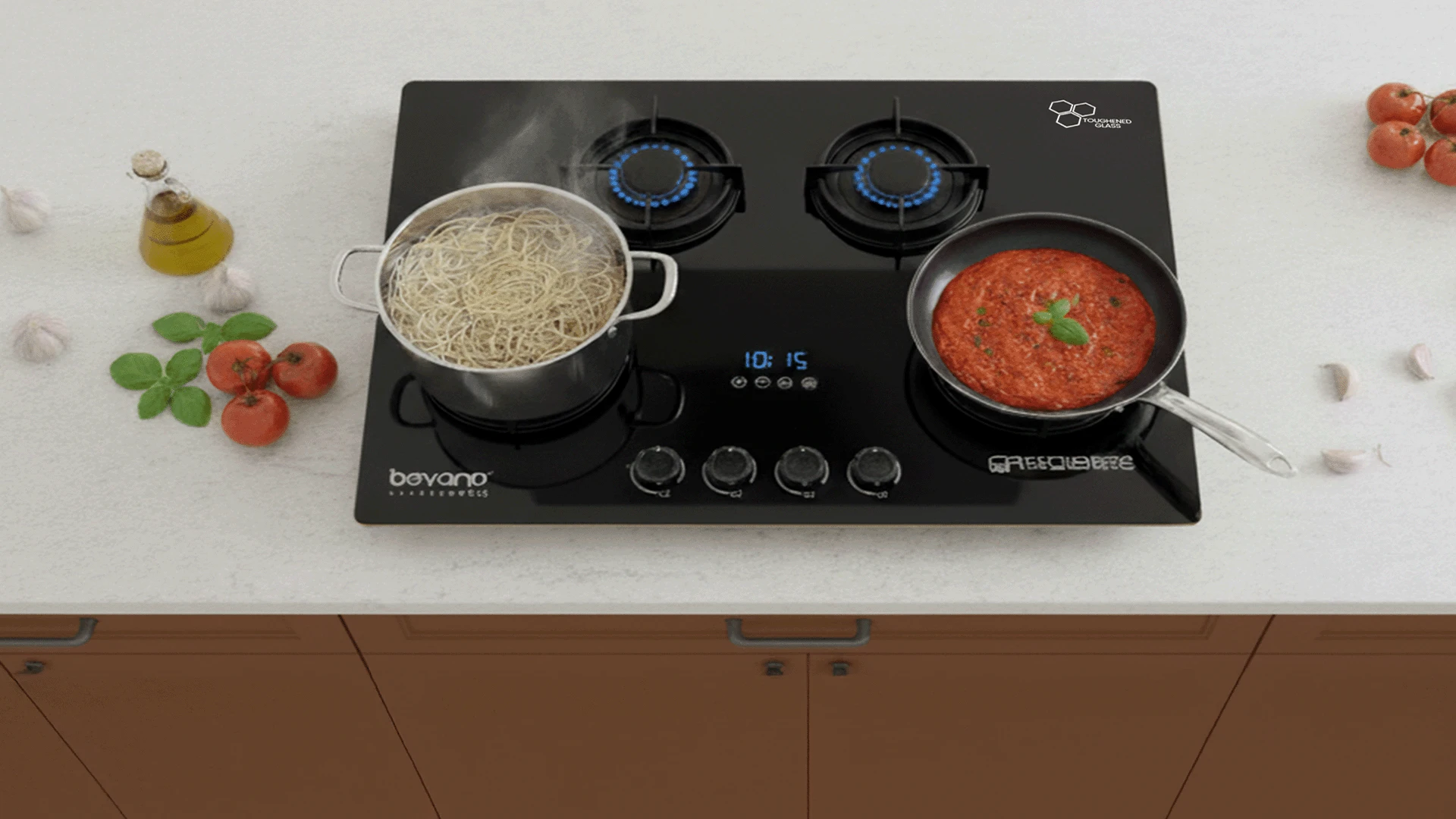
Cooking efficiently on your gas hob can transform your kitchen experience and save precious time during busy weekdays. Modern homemakers and working professionals are constantly looking for ways to speed up cooking without compromising on meal quality. The good news is that with the right techniques and understanding of gas hob efficiency, you can reduce your cooking time by up to 50% while also cutting down on energy costs. These proven methods work with any gas stove setup and require no special equipment beyond what you likely already have in your kitchen.
Gas hobs offer instant heat control and precise temperature management, making them ideal for fast cooking methods. Understanding how to harness this power effectively can dramatically reduce cooking time while improving your overall kitchen productivity. The science behind gas heat transfer shows that direct flame contact provides immediate thermal energy, unlike electric cooktops that require warming up time. When you master efficient cooking techniques, you can achieve 30-50% reduction in cooking time for most dishes. This translates to saving 15-20 minutes on average dinner preparation, which adds up to hours each week. Additionally, faster cooking means less gas consumption, leading to lower utility bills and reduced environmental impact. The key lies in maximizing heat transfer and minimizing energy waste through smart cooking strategies.
Optimizing your gas stove performance starts with understanding the relationship between flame size, cookware, and heat distribution. These fundamental gas stove tips form the foundation of all speed cooking techniques. Proper flame management and burner selection can immediately improve your cooking efficiency without any additional investment.
Matching your pot size to the burner size is crucial for gas hob efficiency. Use large burners for big pots and small burners for smaller cookware. This ensures maximum heat transfer and prevents energy waste. The flame should never extend beyond the bottom of your pan, as this wastes gas and doesn't contribute to faster cooking.
Proper pan pre-heating can reduce overall cooking time by 25%. Heat your pan for 1-2 minutes before adding oil or ingredients. For stainless steel pans, test readiness by sprinkling a few drops of water – they should dance and evaporate quickly when the pan is properly heated.
Implementing fast cooking methods requires understanding which techniques work best for different ingredients and meal types. These approaches focus on high-heat cooking and strategic ingredient preparation to maximize speed up cooking potential. The goal is to cook food quickly while maintaining nutritional value and taste. High-heat cooking techniques like stir-frying can prepare complete meals in under 10 minutes. Steam-frying vegetables takes only 2-3 minutes and preserves more nutrients than traditional boiling methods. These quick cooking recipes rely on proper timing and ingredient preparation rather than complex cooking skills.
Stir-frying on high heat cooks vegetables in 3-5 minutes while maintaining their crisp texture. Cut ingredients into uniform, small pieces to ensure even cooking. Keep ingredients moving constantly to prevent burning while achieving perfect doneness.
Layered cooking allows you to prepare multiple components in a single pan, saving both time and cleanup effort. Start with ingredients that take longest to cook, then add quicker-cooking items in stages. This technique works perfectly for pasta dishes and rice-based meals.
Advanced strategies for cooking time reduction involve preparation techniques and ingredient management that set you up for success before you even turn on the gas. These methods require minimal extra effort but deliver significant time savings during actual cooking. Smart preparation can reduce active cooking time by 40% or more. Room temperature ingredients cook 30% faster than cold ingredients straight from the refrigerator. Taking proteins and vegetables out 15-20 minutes before cooking ensures even heat distribution and reduces cooking time. This simple step makes a noticeable difference in overall meal preparation speed.
Pre-cutting vegetables and organizing your mise en place eliminates cooking interruptions and keeps you focused on timing. Smaller, uniform cuts cook faster and more evenly. Marinating proteins for 15-30 minutes before cooking can reduce cooking time while adding flavor.
Starting with hot tap water instead of cold can reduce boiling time by 40%. Cover pots with lids to trap heat and steam, which speeds up cooking significantly. For vegetables, use minimal water and rely on steam cooking for faster, more nutritious results.
The right cookware and kitchen setup play crucial roles in reducing cooking gas consumption while maximizing speed. Thin-bottomed pans heat up faster but may create hot spots, while medium-thickness bottoms provide the best balance of speed and even heating. Understanding your equipment helps you make better cooking decisions. Using lids strategically can reduce cooking time by 25% for most dishes. The trapped steam and heat create a more efficient cooking environment. However, avoid lifting lids frequently, as this releases heat and extends cooking time.
Aluminum and copper cookware heat up fastest on gas stoves, making them ideal for speed cooking. Stainless steel with aluminum or copper cores offers good heat distribution. Choose pans with flat bottoms that make full contact with the flame for maximum efficiency.
Organize your workspace to minimize movement between preparation and cooking areas. Keep frequently used spices and tools within arm's reach of your gas hob. This setup reduces cooking interruptions and helps maintain optimal timing for fast cooking methods.
Avoiding common mistakes can immediately improve your gas hob efficiency without learning new techniques. Overcrowding pans is the most frequent error that increases cooking time by 50% or more. When ingredients are packed too tightly, they steam instead of searing, resulting in longer cooking times and less appealing textures. Using the wrong flame-to-pan ratio wastes energy and doesn't speed up cooking. A flame that's too small takes longer to heat food, while an oversized flame wastes gas without providing additional cooking benefits. The ideal flame size should match the bottom diameter of your cookware for optimal heat transfer and energy efficient cooking.
Start with hot tap water, use a lid, and choose the largest burner that matches your pot size. This combination can reduce boiling time by up to 40% compared to starting with cold water on a small burner.
Most home cooks can save 30-50% of their cooking time by implementing proper techniques like ingredient preparation, appropriate heat levels, and efficient cookware use.
Yes, using a lid can reduce cooking time by 25% for most dishes by trapping heat and steam. This is especially effective for boiling, steaming, and braising.
Use the largest burner that matches your cookware size. The burner should provide flames that reach the edges of your pan bottom without extending beyond it.
Match burner size to cookware, use lids when appropriate, start with room temperature ingredients, and avoid overcrowding pans. These techniques save both time and gas.
Thin to medium-thickness aluminum and copper cookware heat up fastest. Stainless steel with aluminum or copper cores provides good speed with better durability.
Mastering how to reduce cooking time on gas hob requires combining proper technique with smart preparation and equipment choices. The most impactful changes include using appropriate flame sizes, starting with room temperature ingredients, and implementing efficient cooking methods like stir-frying and steam cooking. These strategies work together to create a faster, more efficient cooking experience that saves both time and energy costs while maintaining meal quality.
