
How to Optimize Chimney Performance: Expert Guide
Cart
Your cart is empty
A well-functioning chimney is the backbone of any efficient kitchen or fireplace system. Whether you're dealing with smoke that won't clear properly or energy bills that seem too high, understanding chimney performance factors can make a significant difference in your home's comfort and safety. Modern homeowners often overlook the critical role that proper chimney design and maintenance play in overall home efficiency. From the latest Android chimney technology to traditional fireplace systems, optimizing performance requires attention to multiple interconnected elements that work together to create effective ventilation.
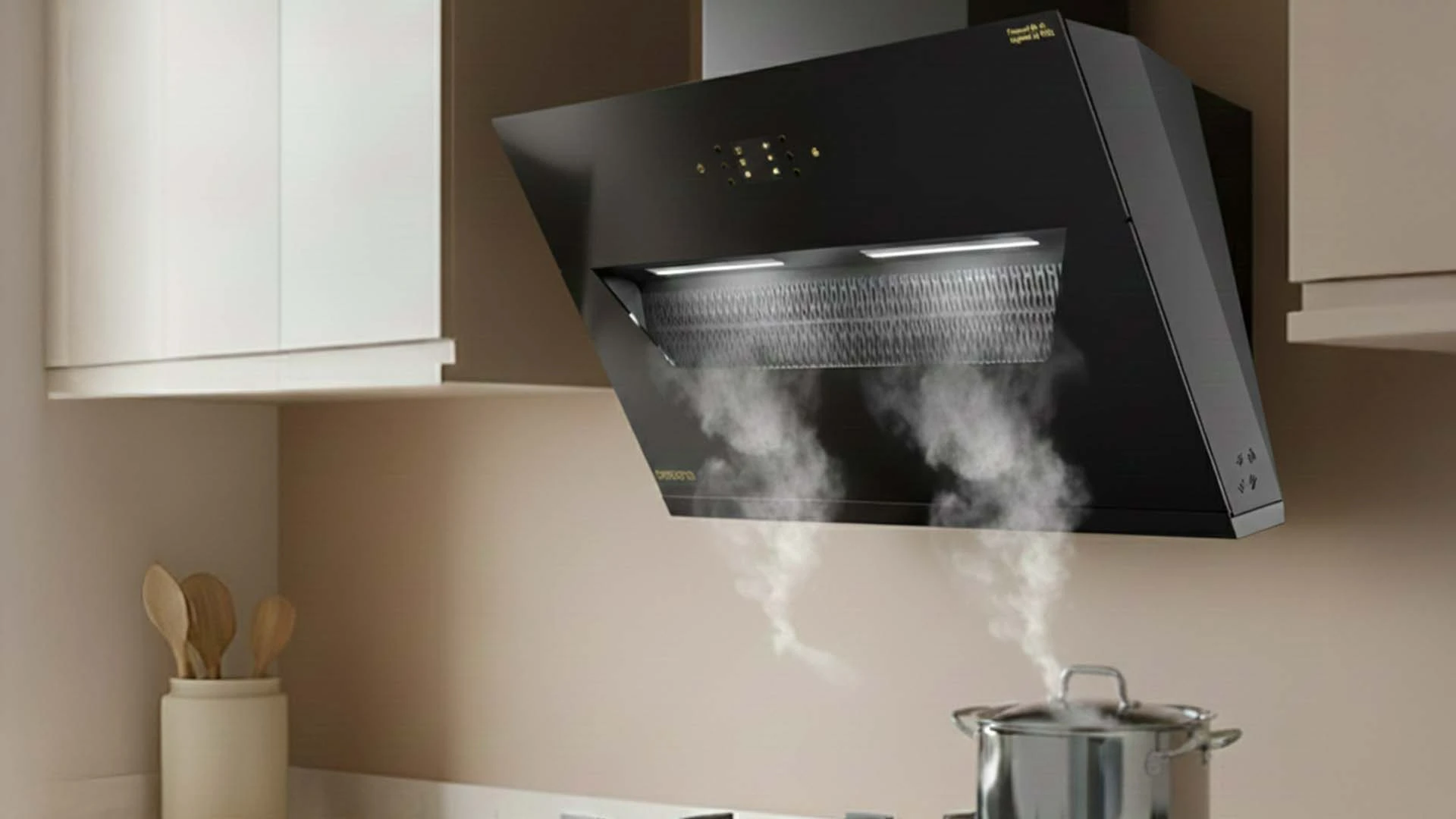
Chimney efficiency depends on several interconnected elements that work together to create optimal ventilation systems. The primary chimney performance factors include proper sizing, adequate height, quality liner condition, and regular maintenance schedules. These elements directly impact how effectively your chimney removes smoke, odors, and combustion gases from your home. The science behind proper chimney design involves understanding airflow dynamics and pressure differentials. When hot air rises through the chimney, it creates a natural draft that pulls fresh air into the combustion area. This process, known as the stack effect, becomes more efficient when all performance factors align correctly. Poor performance often results from one or more compromised elements in this system. Critical performance metrics include draft strength, measured in pascals, and flow rate, typically measured in cubic meters per hour. For kitchen applications, modern chimneys like the Android Chimney Asteria deliver 1408 CMH suction, specifically designed for Indian cooking requirements. This powerful suction quickly clears smoke and maintains optimal air quality during heavy cooking sessions. When chimney performance factors are compromised, homeowners face increased energy costs, poor indoor air quality, and potential safety hazards. Understanding these metrics helps you identify when professional intervention becomes necessary and when simple adjustments can restore optimal function.
Proper chimney draft forms the cornerstone of efficient chimney operation. Draft refers to the pressure difference that drives air movement through the chimney system. Strong, consistent draft ensures complete combustion, reduces smoke spillage, and maintains optimal fireplace efficiency. Several factors influence draft strength, including temperature differential between indoor and outdoor air, barometric pressure changes, and chimney height. Temperature differential plays a crucial role in creating natural draft. The greater the temperature difference between hot gases inside the chimney and cool outdoor air, the stronger the draft becomes. This principle explains why chimneys often perform better during colder months and may struggle during warm weather conditions.
Recognizing poor draft symptoms helps prevent serious problems. Common indicators include smoke entering the room instead of exiting through the chimney, difficulty starting fires, and persistent odors even when the fireplace isn't in use. White staining on the exterior chimney often signals condensation issues related to inadequate draft.
Several strategies can enhance chimney draft without major renovations. Opening a nearby window slightly creates additional air supply for combustion. Warming the chimney flue with a small fire or heat source before lighting the main fire helps establish proper draft direction. Regular cleaning removes obstructions that impede airflow.
Correct chimney height and chimney sizing are fundamental chimney performance factors that directly impact efficiency and safety. Industry standards provide specific guidelines for determining optimal chimney dimensions based on appliance requirements and local building codes. The relationship between chimney height and performance follows basic physics principles that govern airflow and draft creation. The widely recognized 3-2-10 rule provides essential height requirements for most residential applications. This rule states that chimneys must extend at least 3 feet above the roof penetration point and 2 feet higher than any roof surface within 10 feet horizontally. These measurements ensure adequate draft while preventing downdrafts caused by nearby structures or roof configurations.
Chimney sizing involves matching the internal flue dimensions to the appliance output and fuel type. Oversized chimneys can cause poor draft due to excessive cooling of exhaust gases. Undersized chimneys create dangerous backdraft conditions and reduce appliance efficiency. Professional calculations consider appliance BTU output, fuel type, and installation altitude.
Nearby buildings, trees, and topographical features significantly influence chimney height requirements. Tall structures within 10 feet of the chimney can create wind patterns that interfere with proper draft. Additional height may be necessary to overcome these challenges and maintain consistent performance throughout varying weather conditions.
A properly functioning chimney liner serves as the protective barrier between combustion gases and the chimney structure. Modern chimney design emphasizes liner quality as one of the most critical chimney performance factors. Different liner materials offer varying benefits, with stainless steel, clay tiles, and cast-in-place options each serving specific applications and performance requirements. Stainless steel liners provide excellent durability and corrosion resistance, making them ideal for gas appliances and high-efficiency systems. Clay tile liners offer traditional aesthetics and work well with wood-burning applications when properly maintained. Cast-in-place liners create seamless protection for damaged or irregularly shaped chimneys.
Regular liner inspection reveals potential performance issues before they become serious problems. Cracks, gaps, or deterioration in the liner allow combustion gases to contact the chimney structure, creating safety hazards and reducing efficiency. Professional video inspections provide detailed views of liner condition throughout the entire chimney height.
Proper liner installation requires specific tools, techniques, and safety equipment that make professional installation the preferred option for most homeowners. Incorrect installation can compromise performance and create dangerous conditions. Professional installers ensure proper sizing, secure connections, and compliance with local building codes.
Regular chimney maintenance preserves optimal performance and prevents costly repairs. A comprehensive maintenance program includes annual professional chimney inspection, seasonal cleaning tasks, and ongoing monitoring for performance changes. Preventive maintenance costs significantly less than emergency repairs and ensures consistent system operation. Annual professional inspections should examine all chimney performance factors including structural integrity, liner condition, and proper clearances. Certified technicians use specialized equipment to identify problems that aren't visible during casual observation. These inspections often reveal minor issues that can be addressed before they impact performance or safety.
Spring maintenance focuses on removing winter debris and checking for damage caused by freeze-thaw cycles. Summer provides ideal conditions for major cleaning and repair projects. Fall preparation ensures the system is ready for heavy use during heating season. Winter monitoring helps identify performance issues that require immediate attention.
Homeowners can safely perform several maintenance tasks that support optimal performance. Regular exterior inspection for visible damage, keeping the chimney cap and screen clear of debris, and monitoring indoor air quality during operation help maintain system efficiency. However, interior cleaning and structural repairs require professional expertise.
Understanding the distinctions between kitchen ventilation and fireplace chimney systems helps optimize performance for each specific application. Kitchen chimneys, particularly modern units like the Android Chimney Asteria, focus on removing cooking odors, grease, and steam rather than combustion gases. These systems often incorporate advanced features like filterless design and dry heat auto-clean technology that enhance performance while reducing maintenance requirements. Kitchen ventilation systems typically operate at higher air flow rates than fireplace chimneys. The Android Chimney Asteria's 1408 CMH suction capacity demonstrates the power required for effective Indian cooking ventilation. This high-performance approach quickly clears smoke and maintains air quality during intensive cooking sessions.
Kitchen chimney performance depends on proper sizing relative to cooktop dimensions and cooking intensity. The filterless design in modern units like the Android Chimney eliminates the maintenance burden of traditional filters while maintaining effective grease and odor removal. Dry heat auto-clean technology melts accumulated oil and particles, collecting them in easily cleaned trays.
Effective kitchen ventilation integrates with overall home air quality management. Proper makeup air provisions prevent negative pressure that can interfere with other combustion appliances. Coordinated operation with HVAC systems ensures optimal indoor air quality while maintaining energy efficiency.
Identifying and addressing performance problems early prevents minor issues from becoming major safety hazards or expensive repairs. Common symptoms include poor draft, smoke spillage, unusual odors, and visible deterioration. Understanding the relationship between symptoms and underlying causes helps determine appropriate solutions and when professional intervention becomes necessary. Poor fireplace efficiency often results from multiple interconnected factors rather than single isolated problems. Systematic troubleshooting examines each component of the chimney system to identify the root cause of performance issues. This methodical approach ensures effective solutions rather than temporary fixes that may mask underlying problems.
Some performance problems respond to simple adjustments that homeowners can safely perform. Removing debris from the chimney cap, adjusting damper operation, and ensuring adequate combustion air supply often resolve minor draft issues. However, persistent problems typically indicate more serious underlying conditions that require professional diagnosis.
Certified technicians use specialized equipment including video inspection cameras, draft gauges, and combustion analyzers to accurately diagnose performance problems. These tools provide detailed information about chimney condition and operation that guides effective repair strategies. Professional diagnosis often reveals multiple contributing factors that require coordinated solutions.
Annual professional chimney inspection is recommended for all chimney systems, regardless of use frequency. Heavy users may benefit from more frequent inspections, particularly during peak usage seasons. Regular inspection identifies developing problems before they impact performance or safety.
Proper chimney height follows the 3-2-10 rule as a minimum standard, but specific requirements depend on appliance type, local conditions, and surrounding structures. Professional calculation considers all relevant factors to determine optimal height for your specific installation.
Signs of liner problems include poor draft, unusual odors, white staining on exterior walls, and visible deterioration during inspection. Professional video inspection provides the most accurate assessment of chimney liner condition throughout the entire system.
Many chimney draft improvements can be achieved through maintenance, minor adjustments, and operational changes. However, significant structural issues may require more extensive solutions. Professional evaluation determines the most cost-effective approach for your specific situation.
Kitchen ventilation systems like the Android Chimney focus on removing cooking byproducts and typically operate at higher flow rates than fireplace chimneys. Design requirements differ significantly based on the specific application and performance objectives.
Proper chimney sizing ensures optimal balance between draft strength and heat retention. Oversized chimneys may have weak draft due to excessive cooling, while undersized chimneys can create dangerous backdraft conditions and reduce appliance efficiency.
Optimizing chimney performance requires attention to multiple interconnected factors that work together to create efficient, safe operation. Understanding chimney performance factors helps homeowners make informed decisions about maintenance, upgrades, and professional services. Regular maintenance and professional inspection preserve optimal performance while preventing costly repairs and safety hazards. Modern chimney technology, including advanced features like those found in the Android Chimney Asteria, demonstrates how innovation continues to improve performance while reducing maintenance requirements. Whether dealing with traditional fireplace systems or modern kitchen ventilation, the principles of proper sizing, installation, and maintenance remain fundamental to achieving optimal results. Investing in proper chimney performance optimization pays dividends through improved efficiency, enhanced safety, and reduced long-term costs. Professional guidance ensures that all performance factors work together effectively, creating systems that serve your home reliably for years to come.
