

How to Maximize Space with a Kitchen Pantry Unit
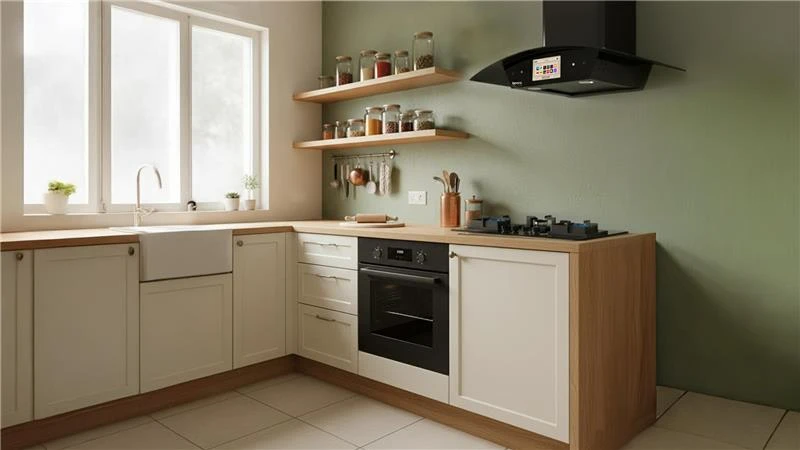
A well-organized kitchen is the heart of any home, and kitchen pantry unit serves as the backbone of efficient food storage and organization. Whether you're dealing with a compact apartment kitchen or a spacious culinary haven, the right pantry solution can transform your cooking experience. Modern homemakers understand that smart storage isn't just about hiding clutter—it's about creating a system that makes meal preparation faster, more enjoyable, and stress-free. With the right kitchen storage unit, you can maximize every inch of available space while keeping your ingredients fresh and easily accessible.
Modern pantry cabinet designs come in various configurations to suit different kitchen layouts and storage needs. Understanding these options helps you make an informed decision that complements your cooking habits and space constraints.
Built-in pantry units integrate seamlessly with your kitchen cabinetry, offering a custom look that maximizes space efficiency. These units typically feature adjustable shelving and can be designed to fit specific dimensions. Freestanding units provide flexibility and can be relocated as needed, making them ideal for renters or those planning future kitchen renovations.
Modular kitchen organization system components allow you to customize your storage based on changing needs. These systems often include interchangeable shelves, drawers, and specialized compartments for different food categories. The modular approach ensures your pantry grows with your family's requirements.
Quality materials ensure durability and easy maintenance. Engineered wood offers affordability and versatility, while steel frames provide superior strength for heavy items. Glass-front panels create visual appeal while keeping contents visible and organized.
Effective space utilization requires strategic planning and smart organization techniques. The key lies in understanding how to use every available inch while maintaining easy access to frequently used items.
Kitchen pantry shelving should extend from floor to ceiling whenever possible. Install adjustable shelves at varying heights to accommodate different package sizes. Use the uppermost shelves for lightweight, rarely used items, while keeping everyday essentials at eye level.
Create dedicated zones within your food storage cabinet for different categories. Designate separate areas for baking supplies, canned goods, snacks, and beverages. This systematic approach reduces search time and prevents duplicate purchases.
Sliding baskets and pull-out drawers eliminate the need to reach into deep corners. These mechanisms ensure nothing gets lost in the back of shelves and make cleaning significantly easier. Consider soft-close technology for quiet operation and extended hardware life.
Selecting the perfect kitchen pantry organizer requires careful assessment of your available space, storage needs, and lifestyle preferences. Proper planning ensures your investment delivers maximum value and functionality.
Measure your available space accurately, including height clearances for cabinet doors and drawers. Consider the swing radius of doors and ensure adequate walking space around the unit. Document any obstacles like electrical outlets, switches, or plumbing that might affect installation.
Calculate your storage requirements based on family size and shopping habits. Consider seasonal storage needs for holiday cooking and bulk purchases. A well-sized unit should accommodate your current needs while allowing for future expansion.
Choose finishes and kitchen aesthetic. Consider how the pantry unit will interact with other appliances like chimneys and cooking ranges to maintain visual harmony and functional flow.
Contemporary kitchen pantry storage solutions incorporate advanced features that enhance usability and extend the lifespan of your investment. These innovations address common pain points while improving the overall user experience.
Soft-close hinges and drawer slides prevent slamming and reduce wear on cabinet components. These mechanisms operate smoothly even when heavily loaded and contribute to a quieter kitchen environment.
LED strip lighting inside pantry closet organizer units improves visibility and creates an upscale appearance. Motion-activated lights provide convenience while energy-efficient bulbs keep operating costs minimal.
Wire racks, spice organizers, and adjustable dividers maximize space efficiency. These accessories can be reconfigured as storage needs evolve, ensuring long-term utility and satisfaction.
Implementing smart organization strategies transforms any kitchen pantry ideas into reality without requiring professional installation. These techniques work with both built-in and freestanding units to optimize storage capacity.
Group similar items together and assign specific shelf locations for each category. Use clear containers for bulk items like flour, sugar, and cereals. This approach reduces packaging waste while improving visibility and freshness.
Implement a consistent labeling system using weather-resistant labels that won't fade or peel. Include expiration dates on perishable items and consider color-coding for different family members or meal types.
Install over-door organizers for lightweight items and use shelf risers to create additional levels. Magnetic strips on the inside of doors can hold spice jars and small containers, freeing up valuable shelf space.
Proper maintenance ensures your kitchen pantry design investment continues delivering value for years to come. Regular care prevents common issues while preserving both functionality and appearance.
Establish a monthly cleaning routine that includes wiping down all surfaces with appropriate cleaners. Remove all items periodically to clean shelves thoroughly and check for expired products. Use food-safe cleaning solutions to maintain hygiene standards.
Lubricate hinges and drawer slides annually to ensure smooth operation. Tighten loose screws and adjust door alignment as needed. Address minor issues promptly to prevent more significant problems.
Monitor humidity levels and ensure adequate ventilation to prevent moisture buildup. Use moisture absorbers in humid climates and maintain consistent temperatures to preserve food quality and prevent pest attraction.
Standard pantry units range from 12 to 24 inches in depth and 84 to 96 inches in height. Width varies from 18 to 36 inches depending on available space and storage requirements. Custom units can be designed for specific dimensions.
Quality pantry shelves support 35 to 50 pounds when properly installed. Adjustable shelves may have lower weight capacities, while fixed shelves with proper reinforcement can handle heavier loads. Always check manufacturer specifications.
Pull-out systems typically cost 20-30% more than traditional fixed shelving due to additional hardware requirements. However, the improved accessibility and organization benefits often justify the investment, especially in deeper cabinets.
Yes, most kitchens can accommodate pantry units through retrofitting. Freestanding units offer the easiest installation, while built-in options may require minor modifications to existing cabinetry. Professional assessment ensures optimal integration.
Maximizing space with a kitchen pantry unit requires thoughtful planning, quality components, and consistent organization habits. The right storage solution transforms your kitchen into an efficient workspace that supports your culinary goals while reducing daily stress. Whether you choose a built-in system or freestanding unit, focus on features that align with your specific needs and cooking patterns. Remember that the best pantry system is one that evolves with your lifestyle while maintaining easy access to all stored items. With proper planning and maintenance, your kitchen pantry unit will serve as a valuable asset that enhances both functionality and home value for years to come.
