

How to Maximize Cooktop Thermal Efficiency at Home
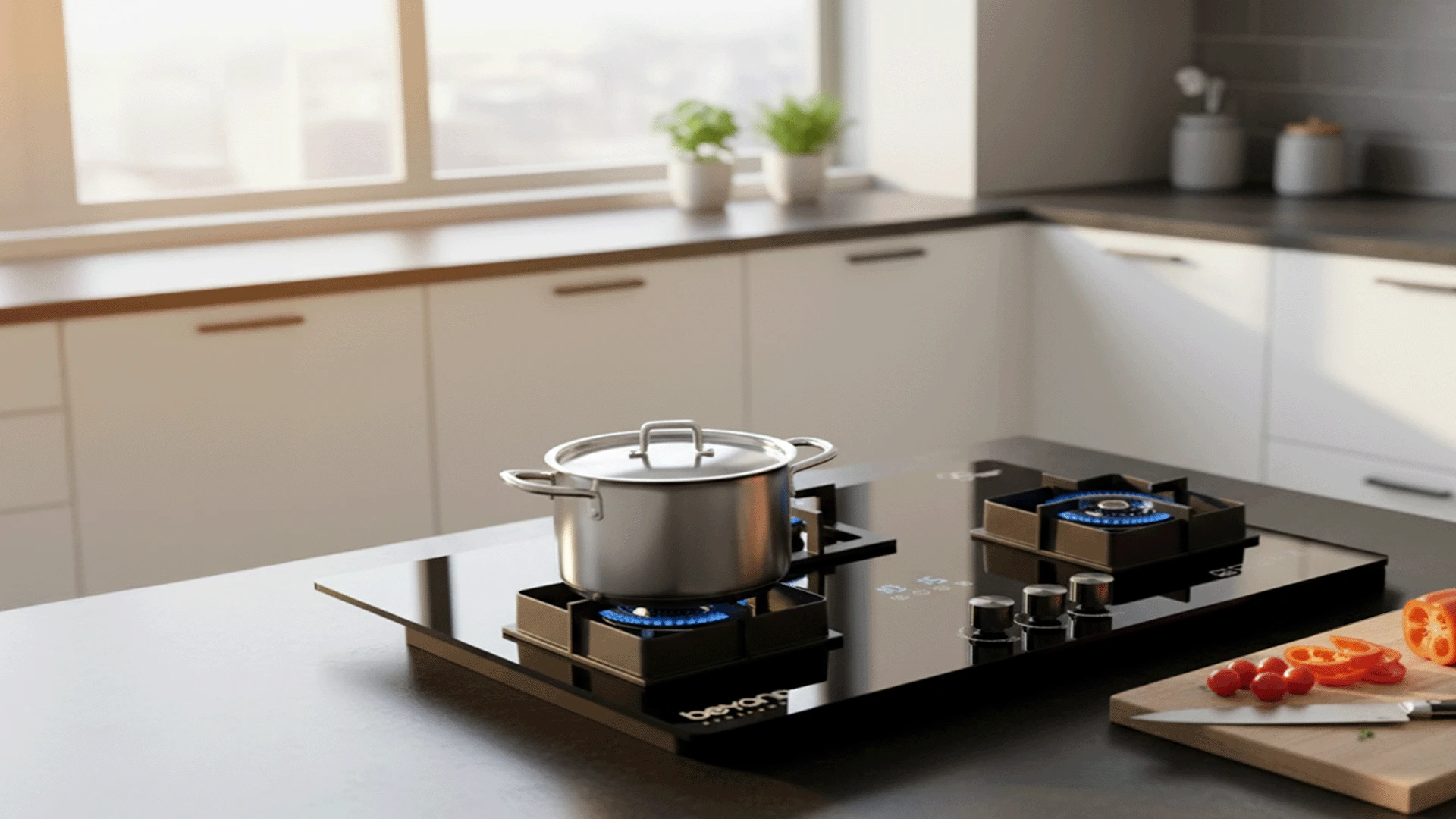
Modern kitchens demand more than just stylish appliances—they need efficient solutions that reduce energy costs while delivering exceptional cooking performance. Cooktop thermal efficiency directly impacts your monthly utility bills and cooking experience. Understanding how to maximize this efficiency can save you hundreds of rupees annually while improving your culinary results. Whether you're using gas, electric, or induction technology, specific techniques and maintenance practices can dramatically boost your cooktop's energy performance. Smart cooking strategies combined with proper equipment selection create the foundation for an efficient, cost-effective kitchen that meets today's sustainability standards.
Thermal efficiency measures how effectively your cooktop converts energy into useful heat for cooking. This metric represents the percentage of input energy that actually reaches your food, rather than being lost to the surrounding environment. Most home cooks overlook this critical factor, yet it significantly impacts both cooking performance and energy costs. The calculation involves comparing heat delivered to cookware against total energy consumed. Higher efficiency ratings mean more energy reaches your food and less gets wasted as ambient heat. Industry standards typically measure cooktop efficiency under controlled laboratory conditions using standardized cookware and heating protocols. Energy transfer principles govern how heat moves from your cooktop to food. Conduction, convection, and radiation all play roles in this process. Understanding these mechanisms helps you optimize cooking techniques for maximum efficiency. Poor heat transfer wastes energy and extends cooking times, increasing overall cooktop energy consumption. Efficiency ratings directly correlate with monthly utility costs. A 10% improvement in thermal efficiency can reduce cooking-related energy expenses by 15-20% annually. For households that cook frequently, these savings accumulate to substantial amounts over time.
Different cooktop technologies offer varying efficiency levels, each with distinct advantages and limitations. Understanding these differences helps you make informed decisions about kitchen upgrades and cooking strategies. Induction cooktop efficiency leads the market with 85-90% thermal efficiency ratings. These units generate electromagnetic fields that directly heat compatible cookware, minimizing energy loss. The magnetic field creates heat within the pan itself, eliminating the intermediate step of heating a burner surface. This direct energy transfer explains why induction technology achieves superior efficiency compared to other methods.
Gas cooktop efficiency typically ranges from 40-55%, making it the least efficient option for thermal performance. However, gas offers instant heat control and works with all cookware types. The open flame design loses significant energy to surrounding air, but many professional cooks prefer gas for its responsive temperature adjustments.
Electric cooktop efficiency falls between gas and induction at 65-70% thermal efficiency. Electric coils or smooth-top surfaces require time to heat up and cool down, but they provide consistent temperatures once stabilized. Modern electric units incorporate improved heating elements that reduce energy waste compared to older models. Cost analysis reveals that while induction cooktops require higher initial investment, their superior efficiency creates long-term savings. Gas units offer lower operating costs in areas with inexpensive natural gas, despite their lower efficiency ratings.
Modern smart cooktop technology revolutionizes cooking appliance efficiency through automated controls and intelligent energy management. These advanced systems monitor cooking patterns and adjust power consumption accordingly. Smart features include temperature sensors, automatic shut-off timers, and energy usage tracking capabilities. Automated temperature control maintains optimal heat levels without manual adjustments. This precision prevents energy waste from overheating while ensuring consistent cooking results. Advanced algorithms learn your cooking preferences and suggest efficiency improvements based on usage patterns. Integration with home energy monitoring systems provides real-time feedback on cooktop power consumption. Smart displays show energy costs per cooking session, helping you understand the financial impact of different cooking methods. Some units connect to utility peak-hour pricing systems, automatically adjusting operation during high-cost periods. Adaptive cooking algorithms analyze food types and cooking methods to optimize energy delivery. These systems recognize when you're boiling water versus simmering sauce, adjusting power output for maximum efficiency. Future developments include AI-powered cooking assistants that provide personalized efficiency recommendations.
Optimal cookware selection dramatically impacts heat transfer efficiency. Heavy-bottomed pans with flat surfaces maximize contact area with heating elements. For induction cooktops, ferromagnetic materials like cast iron and magnetic stainless steel provide superior energy transfer. Aluminum and copper cookware work well with gas and electric units due to their excellent heat conduction properties. Proper sizing creates the foundation for efficient cooking. Match pan diameter to burner size—oversized pans waste energy heating unused surface area, while undersized pans lose heat around the edges. Most manufacturers recommend pans that cover 80-90% of the burner surface for optimal efficiency.
Lid usage can improve efficiency by 25-30% for most cooking methods. Covers trap heat and steam, reducing cooking times and energy consumption. Glass lids allow visual monitoring without releasing trapped heat. For slow-cooking methods, tight-fitting lids maintain consistent temperatures with minimal energy input.
Preheating optimization prevents energy waste while ensuring proper cooking temperatures. Heat pans gradually rather than using maximum settings immediately. This approach extends cookware life while improving heat distribution. Monitor cooking progress to avoid overheating, which wastes energy and can damage food quality. Multi-zone cooking maximizes efficiency when preparing multiple dishes. Use residual heat from larger burners to warm smaller items. Plan cooking sequences to take advantage of already-heated surfaces. These strategies reduce overall energy consumption while improving kitchen workflow.
Regular cleaning significantly impacts heat transfer efficiency. Grease buildup and food residue create insulation barriers that reduce thermal conductivity. Clean burner surfaces and cookware bottoms ensure maximum energy transfer. For gas cooktops, clear burner ports prevent uneven flame distribution that wastes energy. Burner alignment and calibration affect efficiency, especially for gas units. Misaligned burners create uneven heating patterns that require longer cooking times. Professional calibration ensures optimal flame patterns and proper air-to-gas ratios. Electric and induction units benefit from level installation that promotes even cookware contact.
Proper ventilation improves gas cooktop efficiency by ensuring complete combustion. Adequate airflow prevents flame distortion and maintains consistent heat output. Modern kitchen chimneys like the Android Chiney Asteria with 1408 CMH suction quickly clear smoke and maintain optimal cooking conditions. The filterless design reduces maintenance while the dry heat auto-clean feature keeps the system operating efficiently.
Electric and induction cooktops require stable power connections for peak efficiency. Voltage fluctuations reduce heating performance and increase energy consumption. Professional installation ensures proper electrical capacity and grounding. Regular inspection of connections prevents efficiency loss due to resistance buildup. Scheduled professional maintenance identifies efficiency issues before they become costly problems. Annual inspections include burner calibration, electrical testing, and safety checks. Preventive maintenance extends appliance life while maintaining optimal energy performance.
Induction cooktops offer the highest thermal efficiency at 85-90%, making them the most energy-efficient option. They heat cookware directly through electromagnetic fields, minimizing energy loss to surrounding air.
Optimizing cooktop efficiency can reduce cooking-related energy costs by 15-25%. For households spending INR 2,000 monthly on cooking energy, improvements could save INR 300-500 per month.
Yes, induction cooktops use approximately 50% less energy than gas for equivalent cooking tasks. Their superior thermal efficiency more than compensates for electricity costs in most regions.
Heavy-bottomed pans with flat surfaces provide optimal heat transfer. Stainless steel, cast iron, and carbon steel work well across all cooktop types. For induction, ensure cookware has magnetic properties.
Clean your cooktop after each use and perform deep cleaning weekly. Schedule professional maintenance annually for gas units and every two years for electric/induction cooktops.
Modern smart cooktops include automated controls that adjust power consumption based on cooking requirements. They monitor temperature and cooking progress to minimize energy waste while maintaining performance.
Maximizing cooktop thermal efficiency requires understanding your equipment's capabilities and implementing proven optimization techniques. Induction technology offers superior efficiency, while proper cookware selection and maintenance practices benefit all cooktop types. Smart cooking strategies, including appropriate pan sizing and heat retention methods, can significantly reduce energy consumption. Regular maintenance ensures peak performance and extends appliance life. By combining these approaches, you can achieve substantial energy savings while improving your cooking experience and reducing environmental impact.
