

How to Install a Kitchen Hob: Complete Guide
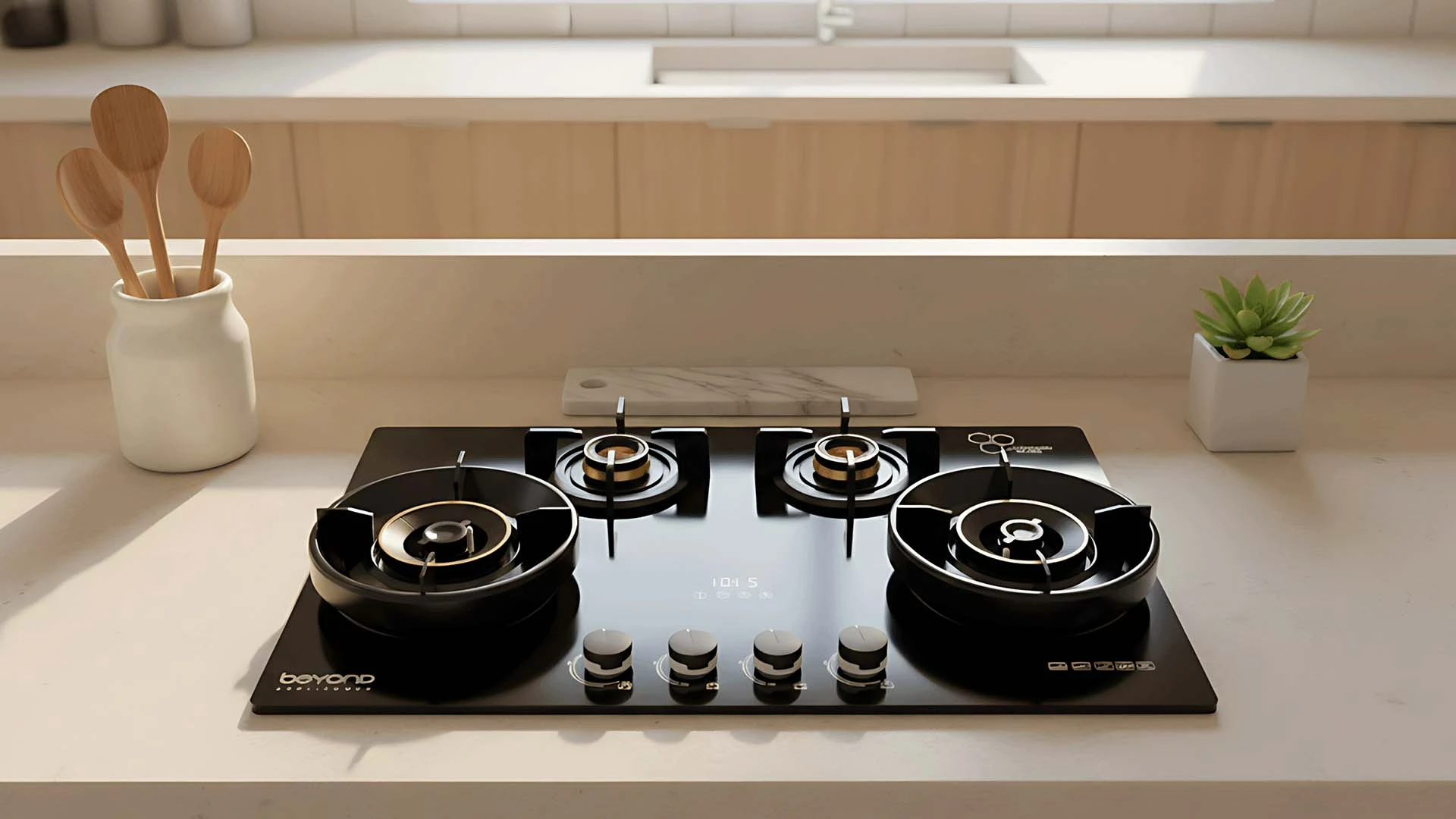
Installing a kitchen hob is one of the most important decisions you'll make during your kitchen renovation or upgrade. The right installation ensures safety, efficiency, and years of reliable cooking performance. Whether you're replacing an old cooktop or fitting a brand new one, understanding the proper installation process can save you time, money, and potential safety hazards. Modern kitchen hobs come in various types, each with specific installation requirements that must be followed precisely. From gas connections that require professional certification to electric wiring that demands careful attention to safety protocols, every step matters. This comprehensive guide will walk you through everything you need to know about kitchen hobs installation tips, helping you make informed decisions and ensure a successful installation.
Choosing the right hob type is crucial before beginning any installation project. Each type has unique requirements that affect everything from power supply to ventilation needs. Understanding these differences helps you plan better and avoid costly mistakes during installation. Modern kitchens offer several hob options, and your choice will significantly impact the installation process. The three main categories are gas, electric, and induction hobs, each requiring different approaches to installation and safety considerations.
Gas hobs remain popular for their instant heat control and cooking precision. These units require a gas supply connection and must be installed by Gas Safe registered engineers. The installation involves connecting to your home's gas line, ensuring proper ventilation, and conducting safety tests. Gas hobs typically need a 13-amp electrical connection for ignition systems and safety features.
Electric hobs offer consistent heating and are easier to clean than gas alternatives. They require dedicated electrical circuits, usually 32-amp or 45-amp depending on power requirements. Induction hobs, a subset of electric hobs, use magnetic fields to heat cookware directly. These smart kitchen appliances often feature touch controls and require stable electrical connections for optimal performance.
Built-in hobs integrate seamlessly into your countertop, requiring precise cutting and fitting. Freestanding options sit on top of your counter or within designated spaces. Built-in installations demand more preparation but offer cleaner aesthetics and better space utilization. The choice affects your hob installation guide approach significantly.
Modern hobs often include smart features like app connectivity, timer functions, and safety sensors. These features may require additional electrical connections or network setup. Planning for these requirements during installation ensures full functionality of your new appliance.
Proper planning prevents installation problems and ensures safety compliance. Before starting any work, assess your kitchen layout, existing utilities, and safety requirements. This phase determines whether you need professional help or can proceed with DIY installation. Safety should always be your top priority when planning hob installation. Different hob types have specific safety requirements that must be met for legal compliance and insurance purposes.
Check your home's gas and electrical systems before beginning installation. For gas hobs, ensure your gas supply is adequate and properly regulated. Verify that electrical circuits can handle your new hob's power requirements. Always turn off utilities at the mains before starting work.
Accurate measurements prevent costly mistakes during cooktop fitting. Measure your existing cutout or planned installation area multiple times. Standard hob sizes include 60cm, 70cm, and 90cm widths. Check manufacturer specifications for exact cutout dimensions, as these vary between models and brands.
Maintain proper clearances for safety and functionality. Keep at least 60mm distance from rear walls and 400mm from adjacent cabinets. Overhead clearances should be minimum 700mm from the hob surface. These requirements ensure proper ventilation and prevent heat damage to surrounding surfaces.
Gas hob installations legally require Gas Safe registered professionals. Electric hob installations can be DIY projects if you have electrical knowledge, but complex wiring should involve qualified electricians. Consider professional installation for warranty protection and peace of mind.
The installation process varies significantly depending on your hob type. Each requires specific tools, techniques, and safety precautions. Following manufacturer instructions and safety guidelines ensures successful installation and optimal performance. Understanding the installation sequence helps you prepare properly and identify potential challenges before they become problems.
Gas hob installation must be performed by Gas Safe registered engineers. The process involves connecting to your gas supply, testing for leaks, and certifying the installation. Professional installers will check gas pressure, install appropriate regulators, and conduct safety tests. They'll also provide certification required for insurance and legal compliance. Never attempt gas hob connection yourself, as improper installation can cause dangerous gas leaks or carbon monoxide poisoning.
Electric hobs require dedicated electrical circuits to handle their power demands. Most need 32-amp or 45-amp circuits with appropriate cable ratings. The installation involves connecting to your consumer unit, running appropriate cables, and making final connections. Electric hob wiring should follow current electrical regulations and may require building control notification. Always test circuits before connecting your new hob.
Induction hobs need stable electrical supplies and may require specific circuit protection. These units are sensitive to electrical fluctuations and benefit from dedicated circuits. Installation involves securing the unit in your cutout, connecting electrical supplies, and configuring any smart features. Many induction hobs include built-in safety features that require proper electrical grounding.
Optimal hob placement enhances cooking efficiency and kitchen workflow. Consider the relationship between your hob, sink, and refrigerator when planning installation. This creates an efficient work triangle that makes cooking more enjoyable and productive. Proper positioning also affects safety, ventilation, and maintenance access. Plan carefully to avoid future problems with cleaning, servicing, or replacement.
Position your hob to create efficient workflow patterns. The classic kitchen triangle places the hob, sink, and refrigerator at optimal distances. Avoid placing hobs directly under windows where wind might affect gas flames or where steam could damage window treatments. Consider traffic flow to prevent accidents during cooking.
Maintain proper distances for safety and functionality. Keep 60mm minimum from rear walls and 400mm from adjacent tall units. These clearances prevent heat damage and allow proper ventilation. Side clearances should be at least 100mm from combustible materials. Follow manufacturer specifications for exact requirements.
Proper ventilation removes cooking odors, steam, and potential combustion products. Plan for adequate extraction above your hob, whether through range hoods, downdraft systems, or natural ventilation. Gas hobs particularly need good ventilation to remove combustion products safely. Consider your home's overall ventilation when planning installation.
Accurate cutting ensures proper fit and professional appearance. Use appropriate tools for your countertop material - jigsaw for laminate, diamond blade for stone. Support the cutout area to prevent cracking or damage. Seal cut edges to prevent moisture damage, especially with wooden or laminate surfaces.
Having the right tools and materials ensures smooth installation and professional results. Different hob types require specific tools and safety equipment. Preparing everything beforehand prevents delays and ensures safety throughout the process. Quality tools and materials contribute to installation success and long-term reliability. Invest in proper equipment rather than making do with inadequate tools.
Basic tools include measuring tape, level, drill with appropriate bits, jigsaw or cutting tools, and screwdrivers. Electrical installations need wire strippers, electrical tester, and appropriate connectors. Gas installations require specialized tools that only qualified engineers should use. Always use tools appropriate for your skill level and installation type.
Gather all necessary materials before starting installation. This includes mounting brackets, screws, electrical cables, and sealing materials. Gas installations require specific fittings and regulators that must meet safety standards. Electric installations need appropriate cable ratings and circuit protection. Check manufacturer specifications for exact requirements.
Hob safety starts with proper protective equipment. Wear safety glasses when cutting or drilling, and use dust masks for dusty work. Keep fire extinguishers nearby, especially during gas work. Have first aid supplies available and ensure someone knows your work schedule. Turn off utilities at the mains before starting work.
Test all connections before completing installation. Check electrical connections with appropriate testers and verify proper grounding. Gas installations require leak testing and pressure checks by qualified engineers. Test all hob functions before considering the job complete. Document any warranty requirements or registration procedures.
Proper maintenance ensures long-term performance and safety of your new hob. Establish maintenance routines immediately after installation to prevent problems and extend appliance life. Understanding common issues helps you address problems quickly and safely. Regular maintenance also maintains warranty coverage and ensures optimal performance. Many problems can be prevented through proper care and attention.
Test all functions thoroughly after installation. Check each burner or heating zone, verify safety features work correctly, and ensure proper ignition systems. For gas hobs, check flame patterns and colors. Electric and induction hobs should heat evenly and respond properly to controls. Document any issues for warranty purposes.
Cooktop maintenance includes daily cleaning, weekly deep cleaning, and periodic professional servicing. Clean spills immediately to prevent damage and staining. Check gas connections periodically for signs of wear or damage. Electric hobs benefit from regular cleaning of heating elements and control panels. Follow manufacturer maintenance schedules for optimal performance.
Common problems include uneven heating, ignition failures, and electrical issues. Many result from improper installation or inadequate power supplies. Gas hobs may have flame adjustment issues requiring professional attention. Electric hobs might trip circuits if electrical connections are inadequate. Address problems promptly to prevent damage or safety hazards.
Hob replacement becomes necessary when repair costs exceed replacement value or safety concerns arise. Signs include frequent breakdowns, uneven heating, or damaged safety features. Modern hobs offer improved efficiency and safety features that may justify upgrading even functional units. Consider replacement during kitchen renovations for better integration and performance.
Gas hobs legally require installation by Gas Safe registered engineers due to safety regulations. Electric hobs can be DIY projects if you have proper electrical knowledge and follow building regulations. However, complex electrical work should involve qualified electricians. Always check local regulations and warranty requirements before proceeding with self-installation.
Maintain at least 60mm distance from rear walls and 400mm from adjacent cabinets. Overhead clearances should be minimum 700mm from the hob surface. These requirements ensure proper ventilation, prevent heat damage, and allow safe operation. Always follow manufacturer specifications as requirements may vary between models.
Traditional guidelines suggest southeast corner placement for optimal energy flow. East-facing cooking orientation is often preferred for morning light and ventilation. However, practical considerations like workflow, ventilation, and safety should take priority over directional preferences. Focus on creating efficient kitchen triangles and proper clearances.
Position hobs at least 60cm from unit run ends and 30cm from tall units. Central workflow positioning creates efficient cooking zones. Avoid placing directly under windows or in high-traffic areas. Consider the relationship with extraction systems and other appliances when planning placement.
Installation costs vary based on hob type, complexity, and location. Gas hob installations typically cost INR 3,000-8,000 including safety certification. Electric hob installations range from INR 2,000-6,000 depending on electrical work required. Complex installations requiring new circuits or gas lines cost more.
Induction hobs typically require 32-amp or 45-amp dedicated circuits depending on power ratings. They need stable electrical supplies and proper earthing for safety. Some models require specific circuit protection or voltage regulation. Always check manufacturer specifications and consult qualified electricians for complex installations.
Simple replacement installations take 2-4 hours for experienced installers. New installations requiring electrical or gas work may take 4-8 hours. Complex installations involving countertop cutting or utility modifications can take full days. Professional installations include testing and certification time.
Successful hob installation requires careful planning, proper tools, and attention to safety requirements. Gas installations must involve Gas Safe registered professionals, while electric installations can be DIY projects with proper knowledge. Always prioritize safety over convenience and follow manufacturer specifications exactly. Proper installation ensures years of reliable performance and maintains warranty coverage. Remember that quality installation is an investment in your kitchen's functionality and your family's safety. Take time to plan properly, gather appropriate tools and materials, and don't hesitate to call professionals when needed. Your new hob will provide years of cooking enjoyment when installed correctly and maintained properly.
