

How to Install a Gas Hob in Your Modular Kitchen
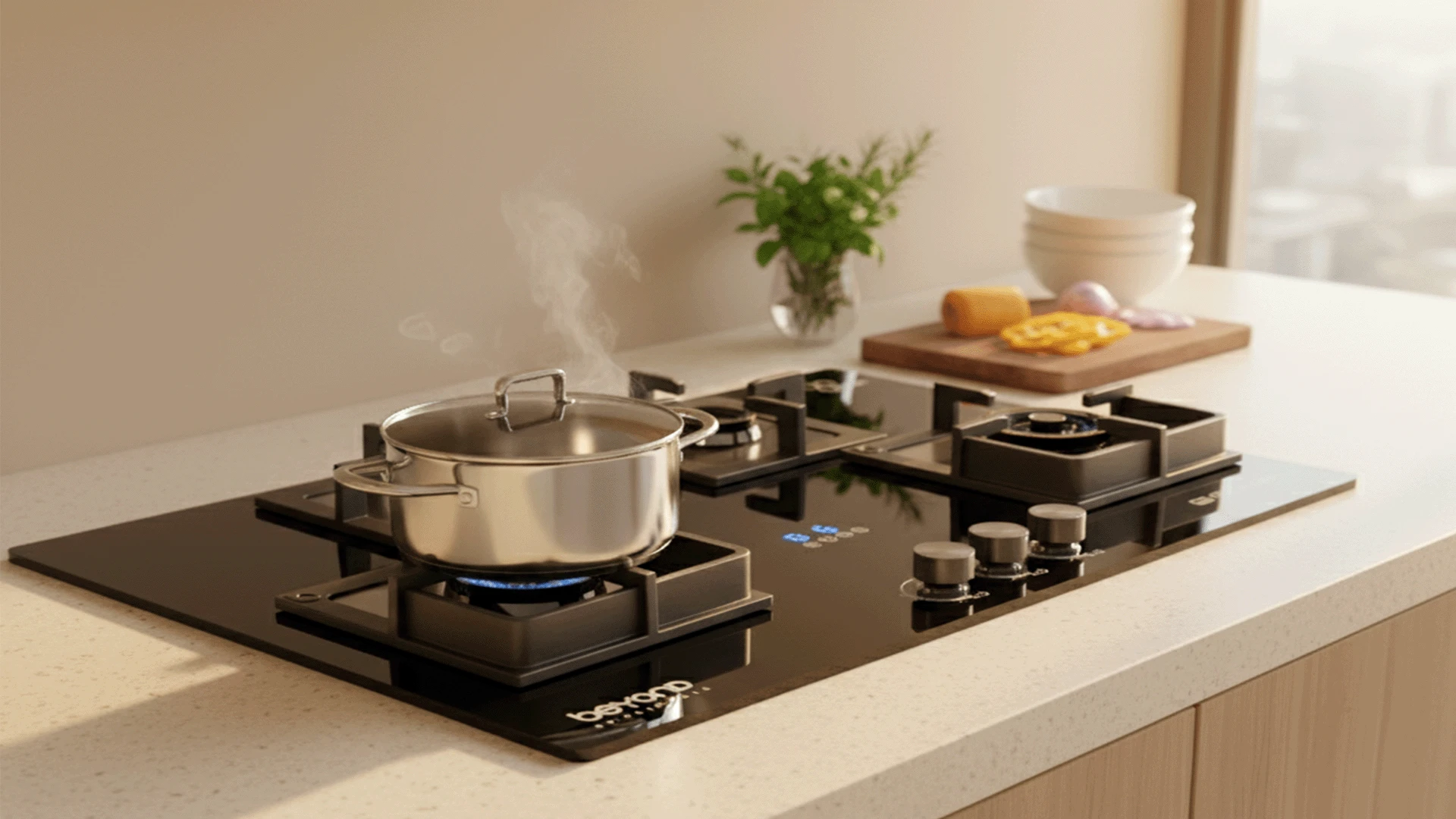
Installing a gas hob for modular kitchens transforms your cooking space into a professional-grade culinary hub. Modern homemakers increasingly prefer built-in cooking solutions that blend seamlessly with their kitchen design while delivering superior performance. A well-installed gas hob not only enhances your cooking experience but also adds significant value to your modular kitchen investment. Whether you're renovating an existing kitchen or designing a new one, understanding the installation process ensures you make informed decisions about this essential kitchen appliance.
A gas hob for modular kitchens represents the perfect marriage of functionality and aesthetics in modern kitchen design. These specialized cooking appliances integrate directly into your countertop, creating a sleek, uninterrupted surface that maximizes workspace while providing powerful cooking capabilities.
Built-in design advantages make gas hobs ideal for contemporary kitchens. The flush installation creates a seamless look that complements modular kitchen aesthetics. Space optimization benefits include eliminating bulky standalone cooktops, freeing up valuable counter space for food preparation. The seamless countertop integration allows for easy cleaning and maintenance, as there are no gaps where food particles can accumulate.
Compact 2-burner hobs suit small kitchens or studio apartments where space is premium. Popular 3-burner configurations offer the ideal balance between functionality and space efficiency for average households. Family-sized 4-burner layouts provide ample cooking capacity for larger families who frequently prepare multiple dishes simultaneously. Premium 5-burner professional setups cater to serious cooking enthusiasts who demand restaurant-level capabilities in their home kitchen.
Proper planning ensures your modular kitchen hob installation proceeds smoothly and meets all safety requirements. This phase involves careful measurement, understanding local regulations, and selecting the right appliance for your specific needs.
Standard cutout dimensions vary by manufacturer, but most gas hobs require rectangular openings ranging from 560mm x 480mm for 3-burner units to 750mm x 480mm for 4-burner models. Clearance requirements include minimum 50mm space from walls and 150mm from overhead cabinets. Ventilation considerations demand adequate airflow around the appliance to prevent heat buildup and ensure safe operation.
Professional gas connection needs mandate certified technicians handle all gas line work to ensure compliance with safety standards. Safety valve installations include automatic shut-off mechanisms and pressure regulators. Local building code compliance varies by region, so consult local authorities before beginning installation to avoid legal complications.
Brass burner options offer superior durability and heat distribution compared to aluminum alternatives. Flame efficiency ratings indicate how effectively the built in hob converts gas into usable heat energy. Smart hob features include auto-ignition systems, flame failure safety devices, and digital controls that enhance cooking precision and safety.
Successful hob installation requires specific tools and materials to ensure professional results and maintain safety standards throughout the process.
Cutting tools for countertop modification include jigsaws with fine-tooth blades for clean cuts in laminate or solid surface materials. Gas fitting equipment encompasses pipe wrenches, thread sealant, and pressure testing devices. Safety equipment checklist includes protective eyewear, dust masks, and fire extinguisher access during installation.
Sealants and gaskets create weatherproof seals between the hob and countertop surface. Support brackets distribute weight evenly and prevent sagging over time. Gas hose connections must meet local safety standards and include appropriate shut-off valves for emergency situations.
The installation process requires careful attention to detail and adherence to safety protocols. Professional installation ensures optimal performance and maintains warranty coverage for your new kitchen cooktop.
Marking and measuring techniques involve creating precise templates using the manufacturer's specifications. Safe cutting procedures include supporting the cutout section to prevent damage to surrounding countertop areas. Edge finishing methods involve smoothing rough edges and applying protective sealants to prevent moisture damage.
Positioning and alignment require careful placement to ensure the gas cooktop sits flush with the countertop surface. Securing the hob frame involves tightening mounting clips from underneath the counter. Connecting gas supply lines must be performed by certified professionals to ensure leak-free operation and compliance with safety regulations.
Leak detection procedures involve applying soapy water solutions to all gas connections and checking for bubble formation. Flame adjustment and calibration ensure each burner produces the correct flame pattern and intensity. Final safety inspections verify proper ventilation, gas flow, and emergency shut-off functionality.
Maximizing the performance of your efficient cooking hob involves understanding burner configurations and utilizing advanced features that enhance your culinary capabilities.
High-flame burner positioning should accommodate your largest cookware for rapid heating and high-temperature cooking techniques. Simmer burner optimization allows for gentle cooking methods like melting chocolate or keeping sauces warm. Multi-cooking setup strategies involve planning burner usage to maximize efficiency during complex meal preparation.
Auto-ignition systems eliminate the need for matches or lighters, providing instant flame activation with simple knob operation. Flame failure safety devices automatically shut off gas flow if flames are accidentally extinguished. Timer and temperature controls on advanced smart hob models help maintain precise cooking conditions for professional-quality results.
Regular maintenance extends the lifespan of your cooking hob and ensures consistent performance throughout years of daily use.
Daily maintenance routines include wiping down surfaces after each use and removing food debris from burner ports. Deep cleaning procedures involve removing burner caps and grates for thorough washing with warm, soapy water. Burner maintenance tips include using soft brushes to clear blocked ports and ensuring proper reassembly after cleaning.
Gas flow problems often result from kinked supply lines or improperly adjusted pressure regulators. Ignition troubleshooting involves checking electrode positioning and cleaning ignition ports. Professional service indicators include persistent gas odors, uneven flame patterns, or failure of safety devices to function properly.
The ideal size depends on your cooking habits and available space. A 3-burner hob suits most households, while 4-burner models accommodate larger families. Measure your countertop space and consider your typical cooking requirements when selecting the appropriate size.
While countertop preparation might be DIY-friendly, gas connections must be handled by certified professionals. This ensures safety compliance and maintains warranty coverage. Professional installation typically costs between INR 2,000 to INR 5,000 depending on complexity.
Maintain minimum 50mm clearance from walls and 150mm from overhead cabinets. Ensure adequate ventilation space underneath for proper airflow and heat dissipation.
Essential safety features include flame failure devices, auto-ignition systems, and sturdy pan supports. Look for models with safety valves and child-lock mechanisms for added protection.
Clean daily after use, perform weekly deep cleaning of removable parts, and schedule annual professional inspections. Keep burner ports clear and replace worn components promptly.
3-burner hobs offer compact efficiency for smaller kitchens, while 4-burner models provide additional cooking capacity for larger households. The choice depends on your space constraints and cooking frequency.
Installing a gas hob in your modular kitchen represents a significant upgrade that enhances both functionality and aesthetics. Proper planning, professional installation, and regular maintenance ensure years of reliable cooking performance. The investment in quality kitchen appliances like a well-designed gas hob pays dividends through improved cooking experiences and increased home value. Remember that safety should always be the top priority when working with gas appliances, making professional installation and regular maintenance essential components of responsible ownership.
