

How to Increase Flame Strength Naturally at Home
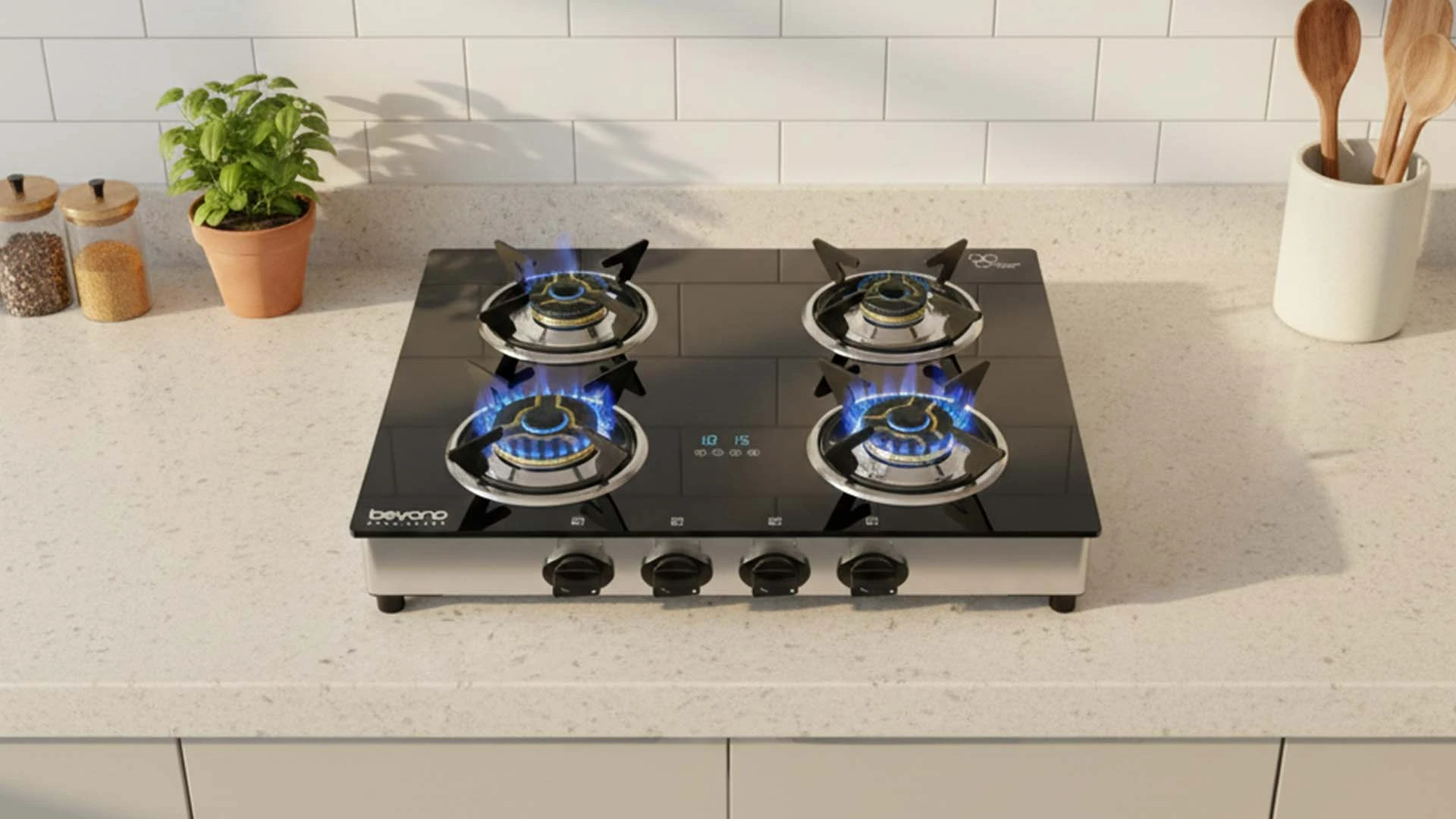
A weak gas flame can turn cooking into a frustrating experience. Whether you're trying to boil water quickly or achieve that perfect sear on your favorite dish, inadequate flame strength slows everything down. Many homeowners face this common issue, but the good news is that you can often fix it naturally without calling a technician. Simple maintenance steps, proper cleaning techniques, and minor adjustments can restore your burner's power and transform your cooking experience. Understanding how gas flames work and what affects their intensity helps you take control of your kitchen's performance.
A strong gas flame depends on several key factors working together harmoniously. The air-to-gas mixture creates the foundation for optimal combustion, while clean burner ports ensure proper gas flow. When these elements align correctly, you get a steady blue flame that delivers consistent heat for efficient cooking. Gas flames naturally weaken over time due to everyday use and environmental factors. Grease buildup blocks tiny burner ports, reducing gas flow significantly. Food particles and dust accumulate in critical areas, disrupting the delicate balance needed for strong flames. Regular cooking activities create residue that gradually affects performance, making maintenance essential for sustained cooking power.
The perfect flame requires precise oxygen supply and proper air-to-gas ratio balance. Blue flames indicate complete combustion and maximum heat output, while yellow flames suggest insufficient air mixing. Optimal flame height should reach about one inch above the burner, providing concentrated heat without wasting energy.
Burner port blockages represent the most common cause of weak flames. Tiny holes become clogged with grease, food particles, and dust, restricting gas flow dramatically. Regulator deterioration affects gas pressure consistency, while misaligned air shutters disrupt the combustion process. These issues compound over time, gradually reducing your stove's cooking efficiency.
Restoring flame strength naturally involves systematic cleaning and adjustment techniques that require no special tools or chemicals. These proven methods address the root causes of weak flames while maintaining safety standards. Most homeowners can complete these tasks using common household items and basic maintenance skills. Regular maintenance prevents minor issues from becoming major problems. Simple weekly cleaning routines keep burner ports clear, while monthly deep cleaning sessions address accumulated buildup. These natural approaches save money on service calls while ensuring consistent cooking performance throughout the year.
Start by removing burner caps and grates when the stove is completely cool. Use a thin copper wire or needle to gently clear each tiny port hole. Work systematically around each burner, ensuring every opening flows freely without forcing debris deeper into channels.
Locate the air shutter beneath each burner assembly. Gradually adjust the opening while observing flame color changes. The goal is achieving a steady blue flame with minimal yellow tips, indicating optimal combustion efficiency.
Ensure burner caps sit flat and secure on their bases. Warped or damaged caps create uneven heat distribution and reduce flame strength. Replace any caps showing signs of wear or damage to restore proper gas flow patterns.
Remove all removable parts and soak them in warm, soapy water. Use an old toothbrush to scrub away stubborn grease buildup. Rinse thoroughly and dry completely before reassembling to prevent rust formation.
Beyond basic cleaning, several advanced adjustments can significantly improve flame strength and cooking efficiency. These techniques require more careful attention but deliver substantial performance improvements. Understanding your stove's specific design helps determine which methods apply to your situation. Professional-grade adjustments often involve internal components that affect gas flow and pressure regulation. While these modifications require caution, they can restore like-new performance to older stoves. Always prioritize safety when attempting advanced adjustments, and know when professional help becomes necessary.
Some stoves feature adjustment screws on gas control valves that regulate flow volume. Turn these screws slightly clockwise to increase gas flow, but make tiny adjustments and test flame strength after each change. Never force adjustments beyond manufacturer specifications.
Low gas pressure often indicates regulator problems requiring professional attention. Signs include consistently weak flames across all burners, difficulty lighting, or flames that blow out easily. These issues typically require regulator replacement or gas line inspection.
LP gas burns hotter than natural gas, providing stronger flames naturally. If your area offers both options, consider conversion for better cooking performance. This process requires professional installation but can dramatically improve flame strength and cooking efficiency.
Different gas types present unique challenges and solutions for flame strength optimization. LP gas systems operate under higher pressure but require different maintenance approaches than natural gas installations. Understanding these differences helps target your troubleshooting efforts effectively. Gas type affects not only flame characteristics but also the specific adjustments needed for optimal performance. LP gas stoves typically deliver stronger flames but may require different regulator settings. Natural gas systems depend on municipal pressure consistency, which varies by location and time of day.
Check cylinder pressure levels regularly, as low gas levels reduce flame strength significantly. Inspect the regulator connection for leaks or damage that might affect pressure delivery. Replace old cylinders promptly, as residual moisture can affect gas quality and flame performance.
Natural gas pressure varies with municipal supply fluctuations, especially during peak usage periods. Contact your gas company if multiple appliances show reduced performance simultaneously. Pipeline pressure issues require professional evaluation and cannot be resolved through home adjustments.
Gas appliance safety must always take priority over performance improvements. Proper ventilation prevents dangerous gas accumulation, while leak detection protects against serious hazards. Understanding safety limits helps determine when DIY solutions become inappropriate. Professional service becomes necessary when adjustments exceed homeowner capabilities or safety margins. Complex regulator issues, gas line modifications, or persistent problems after basic maintenance indicate the need for expert evaluation. Quality service protects your investment while ensuring family safety.
Always turn off gas supply before beginning any maintenance work. Use soapy water to check for leaks around connections after reassembly. Ensure adequate ventilation during all gas appliance work, and never use open flames for leak detection.
Call professionals when gas odors persist, multiple burners show simultaneous problems, or adjustments fail to improve performance. Warranty considerations may require authorized service to maintain coverage. Complex installations or conversions always need professional expertise.
Consistent maintenance prevents flame strength degradation and extends appliance lifespan significantly. Establishing regular cleaning schedules keeps performance at peak levels while identifying potential issues early. Preventive care costs far less than emergency repairs or premature replacement. Monitoring flame quality helps detect problems before they affect cooking performance. Strong blue flames indicate healthy operation, while color changes or uneven patterns suggest maintenance needs. Regular attention to these details maintains cooking efficiency and appliance reliability.
Clean spills immediately to prevent buildup that affects burner performance. Weekly surface cleaning removes grease before it hardens and blocks ports. Monthly deep cleaning addresses accumulated residue in hard-to-reach areas.
Watch for flame color changes, uneven heating patterns, or increased cooking times that indicate declining performance. Document any changes to help identify patterns or recurring issues. Regular monitoring helps maintain consistent cooking results.
Clean burner ports thoroughly, adjust air shutters for proper blue flames, ensure correct burner cap positioning, and maintain regular cleaning schedules. These natural methods address most common causes of weak flames without requiring professional service.
Weak flames after cleaning often indicate regulator problems, gas pressure issues, or internal valve wear. Check gas supply levels first, then consider professional evaluation if problems persist across multiple burners.
Yellow flames indicate insufficient air mixing with gas, usually caused by blocked air shutters or improper adjustments. Clean air intake areas and adjust shutters gradually until achieving steady blue flames with minimal yellow tips.
Clean burner surfaces after each use, perform weekly deep cleaning of removable parts, and conduct monthly maintenance of internal components. Regular cleaning prevents buildup that reduces flame strength and cooking efficiency.
Never attempt to increase gas pressure beyond manufacturer specifications, as this creates serious safety hazards. Focus on cleaning, proper adjustments, and maintenance to achieve optimal flame strength safely.
Strong cooking flames result from proper maintenance, correct adjustments, and understanding your gas stove's specific requirements. Natural methods like thorough cleaning, air shutter adjustments, and regular maintenance solve most flame strength issues effectively. These approaches cost nothing but time while delivering significant performance improvements. Consistent care prevents minor issues from becoming major problems requiring expensive repairs. Simple weekly cleaning routines and monthly maintenance sessions keep your stove operating at peak efficiency. When natural methods don't resolve persistent issues, professional evaluation ensures safety while restoring optimal cooking performance.
