

How to Improve Kitchen Air Quality with Ductless Chimney
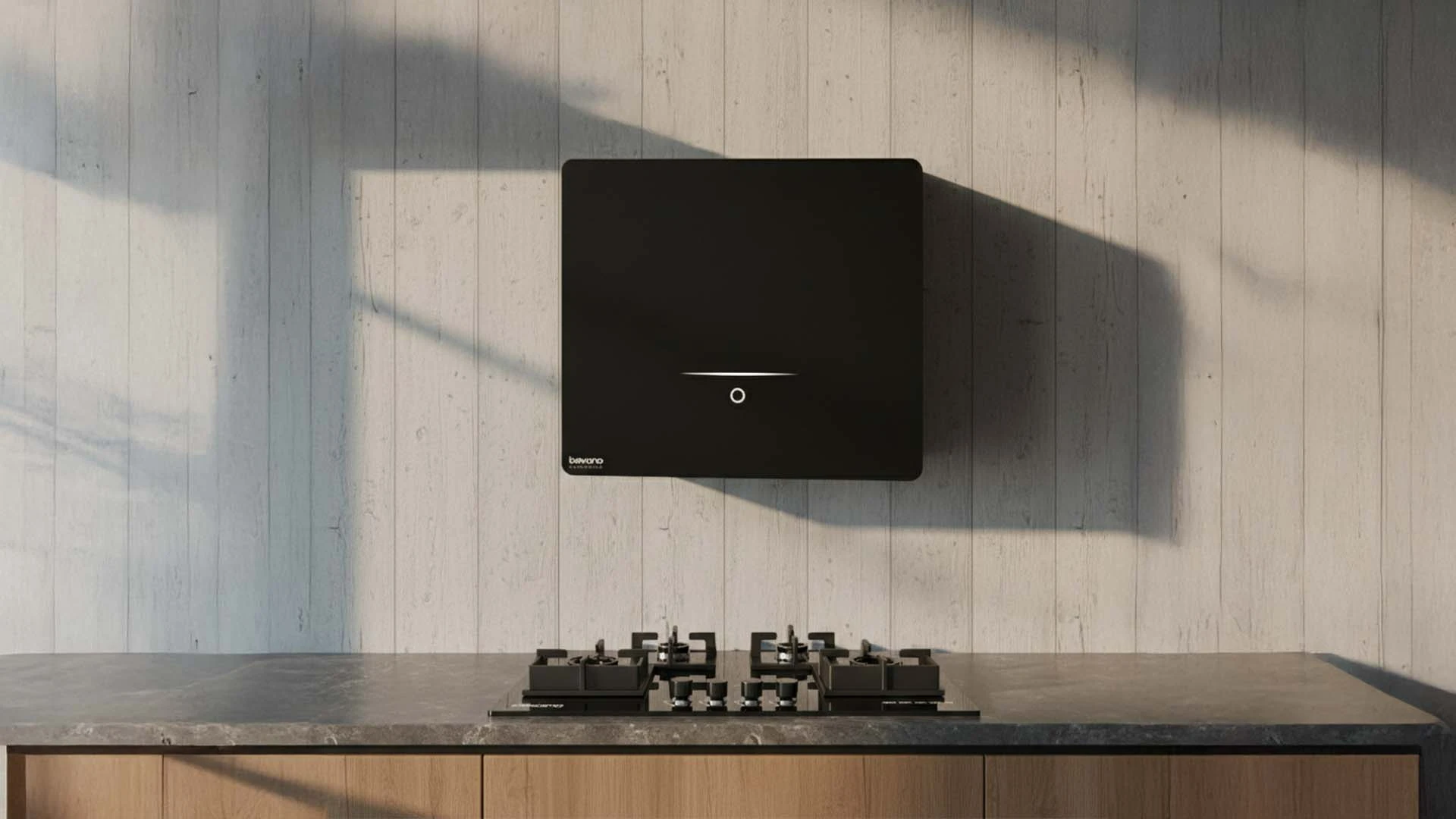
Modern kitchens face a constant challenge: maintaining fresh, clean air while cooking delicious meals. Cooking activities release smoke, grease particles, and strong odors that can quickly compromise your home's air quality. Traditional ducted ventilation systems aren't always practical, especially in apartments or homes where external venting isn't possible. This is where ductless chimney air purification technology steps in as a game-changing solution. These innovative systems clean and recirculate air within your kitchen, providing effective ventilation without requiring external ductwork. Let's explore how these smart appliances can transform your cooking experience and improve your home's air quality.
Ductless chimney air purification represents a significant advancement in kitchen ventilation technology. Unlike traditional systems that exhaust air outside, these units clean and recirculate air back into your kitchen space. The technology relies on sophisticated filtration systems that capture grease, smoke, and odors before returning purified air to your cooking area. The core principle involves drawing contaminated air through multiple filtration stages. First, grease filters capture larger particles and cooking residues. Then, activated carbon filters neutralize odors and chemical compounds. Some advanced models include HEPA filtration for ultra-fine particle removal. This multi-stage approach ensures comprehensive air cleaning without requiring external venting.
A ductless range hood operates as a self-contained air cleaning system. When you turn on the unit, powerful fans draw cooking fumes upward through the filtration system. The cleaned air then flows back into your kitchen through vents located on the unit's front or sides. This recirculating range hood design makes installation much simpler than ducted systems. You only need electrical connections and proper mounting, eliminating the need for external ductwork or wall modifications.
Modern chimney air purifier systems incorporate several essential components. Grease filters form the first line of defense, capturing cooking oils and larger particles. Activated carbon filters handle odor removal, neutralizing cooking smells and chemical compounds. Motor specifications determine suction power, typically measured in cubic meters per hour (CMH). Higher ratings provide more effective air cleaning for heavy cooking activities. LED lighting illuminates your cooking surface, while control panels offer convenient operation.
Ventless kitchen ventilation offers numerous advantages for maintaining healthy indoor environments. These systems provide immediate air cleaning without the installation complexity of traditional ducted units. They're particularly valuable in apartments, condos, and homes where external venting isn't feasible. Energy efficiency represents another significant benefit. Since these units don't exhaust conditioned air outside, they help maintain your home's temperature and reduce heating or cooling costs. This makes them environmentally friendly and cost-effective long-term solutions.
Odor removal cooking capabilities distinguish quality ductless chimneys from basic ventilation fans. Advanced activated carbon filtration neutralizes cooking odors at the molecular level, preventing them from spreading throughout your home. These systems excel at capturing smoke particles and grease vapors that traditional exhaust fans might miss. The result is noticeably cleaner air and reduced lingering cooking smells.
Ductless systems function as portable range hood solutions in many applications. They require minimal installation modifications and can often be relocated if needed. This flexibility makes them ideal for rental properties or temporary kitchen setups. Installation typically takes just a few hours compared to days required for ducted systems. You avoid cutting exterior walls, installing ductwork, or dealing with complex routing challenges.
Kitchen air filtration costs remain significantly lower with ductless systems. Initial purchase prices are typically 30-50% less than comparable ducted units. Installation costs drop even further since you eliminate ductwork, exterior modifications, and complex labor requirements. Operating costs stay low because these units don't exhaust heated or cooled air outside. Filter replacement represents the primary ongoing expense, typically ranging from INR 500-2000 annually depending on usage.
Selecting the appropriate ductless chimney requires careful consideration of your kitchen's specific needs. Size, cooking habits, and air quality requirements all influence the best choice for your space. Modern options include basic models for light cooking and advanced units with smart features for serious home chefs. Suction power represents the most critical specification. Measure your kitchen's cubic footage and consider your typical cooking activities. Heavy frying and grilling require higher CFM ratings than light sautéing or boiling.
Efficient kitchen ventilation depends on several key features. Suction power, measured in CMH, should match your kitchen size and cooking intensity. For average Indian kitchens, 1000-1500 CMH provides adequate performance for most cooking activities. Filter quality significantly impacts air cleaning effectiveness. Look for multi-stage filtration with both grease and carbon filters. Some premium models offer washable filters that reduce long-term operating costs.
Proper sizing ensures optimal performance and energy efficiency. Measure your cooktop width and choose a chimney that's at least as wide as your cooking surface. Wider units capture more cooking fumes and provide better coverage. Consider ceiling height and available mounting space. Most ductless chimneys require 24-30 inches of clearance above the cooktop for safe and effective operation.
Installing a ductless range hood involves several straightforward steps that most homeowners can complete with basic tools. Proper planning ensures safe installation and optimal performance. Always verify electrical requirements and local building codes before beginning installation. Safety considerations include ensuring adequate electrical capacity and proper mounting support. Most units require dedicated 15-20 amp circuits and sturdy wall or ceiling mounting points.
Measure your installation area carefully, noting ceiling height, wall stud locations, and electrical outlet positions. Verify that your electrical system can handle the unit's power requirements. Most ductless chimneys operate on standard 220V household current. Gather necessary tools including drill, level, screwdrivers, and measuring tape. Review the manufacturer's installation manual thoroughly before beginning work.
Begin by marking mounting points using the provided template. Drill pilot holes and install mounting brackets securely into wall studs or ceiling joists. Connect electrical wiring according to local codes and manufacturer specifications. Mount the chimney unit onto the brackets and test all functions before completing installation. Verify proper operation of lights, fans, and controls.
Regular maintenance ensures your ductless chimney continues providing effective air purification. Most maintenance tasks are simple and can be completed in minutes. Establishing a routine cleaning schedule prevents performance degradation and extends unit lifespan. Filter care represents the most important maintenance activity. Clean or replace filters according to manufacturer recommendations, typically every 1-2 months for heavy cooking or 3-4 months for light use.
Clean grease filters monthly by removing them and washing with warm, soapy water. Allow filters to dry completely before reinstalling. Wipe exterior surfaces weekly with appropriate cleaning solutions to prevent grease buildup. Inspect and clean the interior annually, removing any accumulated grease or debris. This prevents motor strain and maintains optimal airflow.
Replace activated carbon filters every 6-12 months depending on cooking frequency and intensity. These filters cannot be cleaned and must be replaced when saturated. Quality replacement filters typically cost INR 800-1500. Monitor filter condition regularly. Discolored or odorous filters indicate replacement time, even if the recommended interval hasn't passed.
Smart kitchen ventilation technology has revolutionized how we interact with cooking appliances. Modern ductless chimneys incorporate advanced features that enhance both convenience and performance. These innovations make kitchen ventilation more intuitive and effective than ever before. The Android Chimney Asteria exemplifies this technological advancement. With 1408 CMH suction power, it quickly clears smoke with powerful suction designed for Indian cooking. Its filterless design eliminates traditional filter maintenance while maintaining excellent air purification. The integrated infotainment screen transforms your chimney into a kitchen companion. The touchscreen tablet includes popular OTT apps, allowing you to cook and enjoy entertainment simultaneously. Dual speakers provide cinematic sound quality, making cooking more enjoyable. Smart features extend beyond entertainment. You can order groceries, set cooking reminders, make notes, and learn new recipes directly from the chimney's interface. This integration makes the appliance a true kitchen companion rather than just a ventilation device. Dry heat auto clean technology represents another significant advancement. This system cleans the motor using dry heat, melting jammed oil and particles that collect in an easily cleaned tray. This reduces daily maintenance requirements significantly.
Yes, quality ductless chimneys effectively improve kitchen air quality through multi-stage filtration. They capture 85-95% of cooking particles and odors when properly maintained. While not as powerful as ducted systems for heavy commercial cooking, they provide excellent performance for home kitchens.
Most ductless chimneys use grease filters and activated carbon filters for comprehensive air cleaning. However, advanced models like the filterless Android Chimney Asteria use innovative technology that eliminates traditional filter requirements while maintaining excellent air purification performance.
Clean grease filters monthly and replace carbon filters every 6-12 months. Wipe exterior surfaces weekly and perform deep cleaning annually. Units with auto-clean features like dry heat technology require less frequent manual cleaning.
Choose a chimney at least as wide as your cooktop. For suction power, calculate 10-12 CFM per square foot of kitchen area. Most Indian kitchens perform well with 1000-1500 CMH capacity units.
Ductless chimney air purification offers an excellent solution for improving kitchen air quality without complex installation requirements. These systems provide effective odor removal, smoke capture, and air cleaning through advanced filtration technology. Smart features like those found in the Android Chimney Asteria enhance both functionality and user experience. Proper selection based on kitchen size and cooking habits ensures optimal performance. Regular maintenance, particularly filter care, maintains effectiveness and extends appliance lifespan. With lower installation costs and energy-efficient operation, ductless chimneys represent a practical investment in your home's air quality and cooking experience.
