
How to Ensure Safety with Modern Hob Features
Cart
Your cart is empty
Modern kitchens have transformed into smart, efficient spaces where safety takes center stage. Today's hobs come equipped with advanced safety features that protect your family while making cooking more enjoyable. Understanding these safety technologies helps you make informed decisions and use your appliances with confidence. Whether you're upgrading your kitchen or simply want to know more about your current hob, learning about modern safety features ensures you get the most protection from your investment.
When choosing a hob, certain safety features should be non-negotiable. These core protections form the foundation of safe cooking and give you peace of mind every time you prepare meals. Modern hobs integrate multiple safety systems that work together to prevent accidents and protect your home.
Hob automatic shut off technology prevents dangerous situations when you forget about cooking. Most modern hobs include timer-based shut-off that turns off burners after preset periods. Advanced models detect when pans boil dry or overheat, automatically cutting power to prevent fires. Some systems even respond to power failures by safely shutting down all operations.
Hob child lock features protect curious little hands from hot surfaces and accidental activation. Touch panel locks disable all controls with a simple button combination. Control knob safety mechanisms require specific sequences to turn on burners. Many models offer age-appropriate settings that adjust sensitivity based on your family's needs.
Hob overheat protection monitors surface temperatures continuously to prevent dangerous heat buildup. Thermal cut-off switches automatically disconnect power when temperatures exceed safe limits. Heat distribution sensors ensure even cooking while maintaining safe operating conditions across the entire surface.
Induction hob safety represents the pinnacle of modern cooking protection. These systems use electromagnetic fields to heat cookware directly, keeping surfaces cooler and reducing burn risks. Induction technology offers superior control and multiple built-in safety features that traditional gas and electric hobs cannot match.
Induction hobs automatically recognize compatible cookware and only activate when proper pans are present. This prevents accidental activation and ensures energy transfers efficiently to your food. Surface temperature stays relatively cool since heat generates directly in the cookware. The system immediately stops heating when you remove the pan.
Visual warning systems alert you to hot surfaces even after cooking ends. LED indicators show which zones remain warm and gradually dim as surfaces cool. These warnings prevent accidental burns and help you plan kitchen activities safely. Advanced models display actual temperature readings for precise awareness.
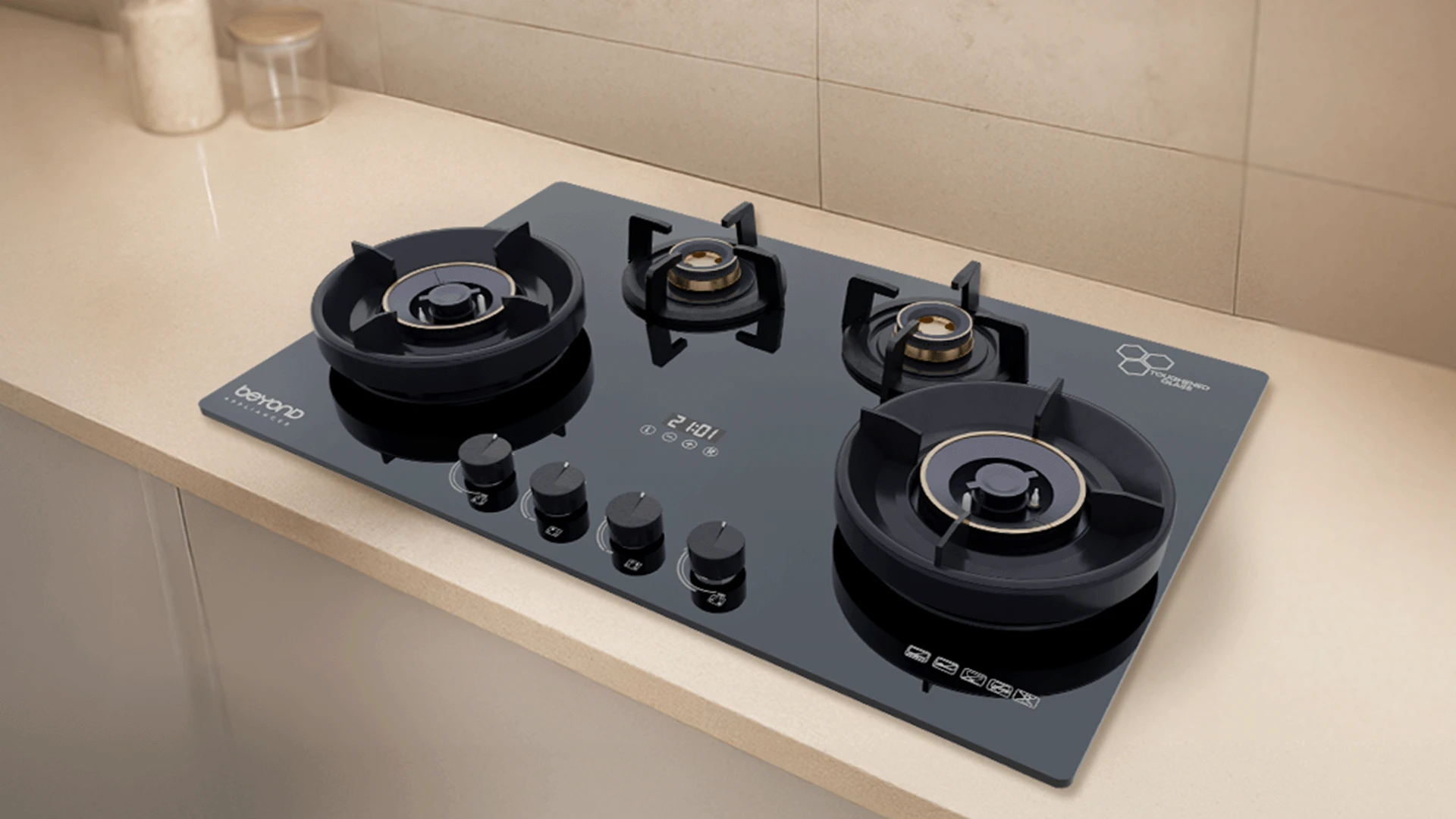
Gas hob safety relies on proven technologies that have protected kitchens for decades. Modern gas hobs combine traditional flame safety with contemporary monitoring systems. These features ensure gas flows only when flames burn properly and shut off automatically during emergencies.
Thermocouple protection systems monitor flame presence constantly and cut gas supply if flames extinguish unexpectedly. Automatic gas shut-off prevents dangerous gas accumulation in your kitchen. Advanced models include leak detection that alerts you to potential gas line problems before they become hazardous.
Electric ignition systems eliminate the need for matches or lighters, reducing fire risks. Spark generation safety ensures ignition only occurs when gas flows properly. Gas flow control mechanisms regulate pressure and volume for consistent, safe operation across all burner sizes.
Electric hob safety focuses on managing high temperatures and electrical hazards. Modern electric hobs include sophisticated monitoring systems that track surface temperatures and electrical flow. These protections prevent overheating while ensuring reliable cooking performance.
Hot surface indicators clearly show which zones remain dangerous after cooking. Gradual cool-down systems prevent thermal shock while maintaining safe surface temperatures. Thermal protection circuits monitor heat levels and adjust power automatically to prevent overheating.
Circuit protection systems prevent electrical overloads that could damage your hob or home wiring. Ground fault protection immediately cuts power if electrical leakage occurs. Power surge safeguards protect sensitive electronic components from voltage spikes and electrical storms.
Smart hob safety brings artificial intelligence and connectivity to kitchen protection. These systems learn your cooking patterns and provide personalized safety recommendations. Remote monitoring capabilities let you check your hob status from anywhere in your home.
Mobile applications provide real-time monitoring of your hob's status and safety systems. Usage alerts notify you about cooking times, temperature changes, and potential safety issues. Emergency shut-off features let you turn off your hob remotely if you forget or notice problems while away from the kitchen.
Predictive safety algorithms analyze your cooking habits and suggest optimal safety settings. Usage pattern analysis identifies potential risks before they become dangerous. Automated safety adjustments optimize protection based on what you're cooking and how you use your hob.
Proper installation and regular maintenance ensure your hob's safety features work effectively throughout its lifespan. Professional installation guarantees compliance with safety standards and optimal performance. Regular maintenance keeps all safety systems functioning properly and extends your hob's useful life.
Electrical and gas safety standards require specific installation procedures that only qualified technicians should perform. Ventilation requirements ensure proper air circulation and gas dispersal. Clearance specifications prevent overheating and provide safe access for cooking and maintenance.
Cleaning safety protocols prevent grease buildup that could cause fires or interfere with safety sensors. Component inspection schedules help identify worn parts before they fail. Professional service recommendations ensure complex safety systems receive expert attention when needed.
Modern hobs include automatic shut-off systems, child safety locks, overheat protection, residual heat indicators, flame failure devices for gas models, and smart monitoring systems. These features work together to prevent accidents and protect your family.
Child locks disable hob controls through button combinations or touch sequences that children cannot easily replicate. Some models require holding multiple buttons simultaneously, while others use smartphone apps for activation and deactivation.
Induction hobs offer superior safety because surfaces stay cooler, they only heat compatible cookware, and they shut off automatically when pans are removed. However, all modern hob types include comprehensive safety features when properly installed and maintained.
Stop using the hob immediately and contact a qualified technician for inspection and repair. Never attempt to bypass or disable safety features, as this creates serious hazards for your family and home.
Have your hob inspected annually by a qualified technician, or more frequently if you notice any safety feature malfunctions. Regular cleaning and basic maintenance can be performed monthly to keep safety systems functioning properly.
Modern hob safety features provide multiple layers of protection that make cooking safer and more enjoyable. Understanding these technologies helps you choose the right hob for your family and use it confidently. Whether you prefer gas, electric, or induction cooking, today's safety features significantly reduce kitchen risks while maintaining excellent cooking performance. Regular maintenance and proper installation ensure these safety systems protect your family for years to come.
