

How to Create an Efficient Kitchen for Better Cooking
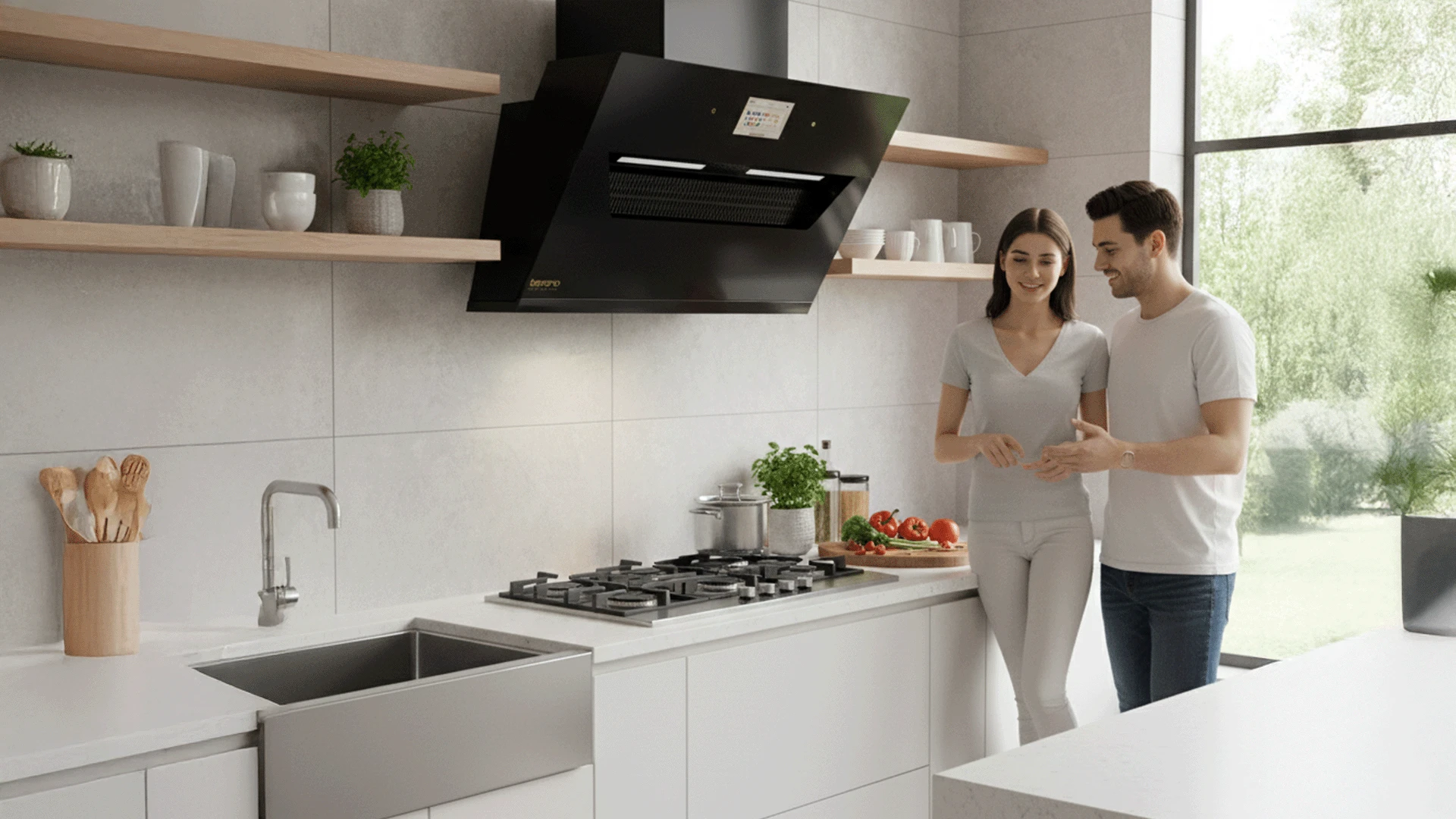
A well-designed kitchen can transform your daily cooking experience from a chore into a joy. The benefits of efficient kitchen design extend far beyond aesthetics, touching every aspect of your culinary journey. From reducing meal preparation time by up to 40% to creating safer cooking environments, an efficiently planned kitchen becomes the heart of a happy home. Modern homemakers understand that smart kitchen organization ideas and strategic appliance placement can dramatically improve both cooking efficiency and overall quality of life.
An efficient kitchen design goes beyond beautiful countertops and trendy colors. It focuses on creating a seamless workflow that minimizes unnecessary movement and maximizes productivity. The foundation lies in understanding how you actually use your kitchen space during daily cooking activities.
The traditional kitchen work triangle connects your sink, stove, and refrigerator in an optimal layout. However, modern efficient kitchen design has evolved to include additional zones like prep areas and storage spaces. This creates a more comprehensive approach to kitchen workflow optimization.
Effective kitchen design considers three key performance indicators. Time savings through strategic placement of appliances and tools reduces daily cooking stress. Safety improvements through proper ventilation and ergonomic layouts protect your family. Cost efficiency through energy-saving appliances and reduced food waste benefits your budget long-term.
Today's efficient kitchens incorporate five distinct zones instead of the traditional triangle. These include preparation areas, cooking stations, cleaning zones, storage spaces, and serving areas. Each zone should flow naturally into the next, creating a streamlined kitchen experience.
Understanding the comprehensive benefits of efficient kitchen design helps justify the investment in proper planning and quality appliances. These advantages impact every aspect of your daily life, from time management to family health.
Research shows that well-organized kitchens can reduce meal preparation time by 25-40%. This time savings allows busy families to enjoy more quality moments together while still maintaining healthy eating habits.
Faster meal preparation becomes possible when everything has its designated place. Strategic placement of frequently used items within arm's reach eliminates unnecessary steps during cooking. A well-planned kitchen reduces decision fatigue by creating clear systems for food storage and tool organization.
Proper kitchen ventilation through quality chimneys removes cooking odors, smoke, and harmful particles from your home. Ergonomic kitchen layout reduces physical strain on your back, neck, and shoulders during food preparation. Strategic appliance placement minimizes accident risks by keeping hot surfaces away from high-traffic areas.
Organized storage systems reduce food waste by keeping ingredients visible and accessible. Energy-efficient appliances lower monthly utility bills while providing superior performance. Well-designed kitchens increase home value by an average of 10-15%, making efficiency improvements a smart investment.
Creating an ergonomic kitchen layout requires careful consideration of how different family members use the space. Height-appropriate countertops, accessible storage, and proper lighting all contribute to a more comfortable cooking environment.
The modern kitchen pentagon expands on the traditional triangle concept. This includes your refrigerator, sink, stove, prep area, and storage zone. Optimal distances between these areas should range from 4 to 9 feet to minimize unnecessary movement.
Your cooking zone should center around a quality hob or cooktop with an efficient chimney directly above. T-shaped chimneys work excellently for island cooking setups, while curved chimneys complement modern kitchen aesthetics. Slant or inclined chimneys fit perfectly under low ceilings or sloped roofs.
Kitchen workflow should allow multiple people to work simultaneously without interference. Create clear pathways between major appliances and ensure adequate space for cabinet doors and drawers to open fully. Consider how family members move through the space during different times of day.
Effective kitchen storage solutions transform cluttered spaces into organized, functional areas. Every item should have a designated home that makes sense based on frequency of use and cooking workflow requirements.
Vertical storage maximizes available space while keeping frequently used items easily accessible. Pull-out drawers in lower cabinets eliminate the need to bend and search for items in dark corners.
Install adjustable shelving to accommodate items of different heights. Use drawer dividers for utensils and small tools. Consider lazy Susans for corner cabinets to maximize accessibility. Pull-out spice racks keep seasonings organized and visible during cooking.
Group similar items together using clear containers for easy identification. Label everything to maintain organization over time. Store frequently used ingredients at eye level. Keep backup supplies on higher or lower shelves to avoid clutter in prime real estate areas.
Small kitchen efficiency requires creative solutions that maximize every available inch. Multi-functional appliances and clever storage tricks can make compact spaces feel larger and more functional than traditional kitchens.
Compact appliances designed for smaller spaces don't sacrifice performance for size. Modern gas stoves and cooktops offer powerful cooking capabilities while fitting into tight spaces. Ductless chimneys provide excellent ventilation without requiring external venting systems.
Choose appliances that serve multiple purposes to reduce counter clutter. Wall-mounted storage keeps frequently used items accessible without taking up valuable counter space. Fold-down prep surfaces provide extra workspace when needed but tuck away when not in use.
Light colors and reflective surfaces make small kitchens appear larger. Under-cabinet lighting eliminates shadows and improves task visibility. Glass cabinet doors create an open feeling while keeping items dust-free and organized.
Implementing proven time-saving kitchen tips can dramatically reduce daily cooking stress. Simple organizational changes and workflow improvements compound over time to create significant time savings.
Batch preparation on weekends sets you up for success during busy weekdays. Pre-chopping vegetables, marinating proteins, and preparing grab-and-go snacks streamlines daily meal preparation.
Professional chefs use mise en place to organize ingredients before cooking begins. This practice reduces cooking time and prevents mistakes. Set up designated prep areas with cutting boards, knives, and mixing bowls within easy reach of your cooking zone.
Maintain kitchen efficiency by cleaning while you cook. Keep a bowl for scraps during prep work. Wash dishes immediately after use when possible. Wipe down surfaces regularly to prevent buildup that requires deep cleaning later.
Smart kitchen appliances integrate technology with traditional cooking methods to improve efficiency and convenience. Modern chimneys with auto-clean functions and timer controls reduce maintenance while improving air quality.
Energy-efficient appliances reduce operating costs while providing superior performance. Look for appliances with multiple cooking modes and programmable features that adapt to your cooking style and schedule.
Quality hobtops with precise temperature control improve cooking results while reducing energy waste. Multi-zone cooking surfaces allow simultaneous preparation of different dishes. Induction cooktops heat faster and more efficiently than traditional gas or electric options.
Modern chimneys with variable speed controls adjust automatically based on cooking intensity. Android chimneys offer smartphone connectivity for remote operation and monitoring. Advanced filtration systems capture more grease and odors while operating quietly.
The primary benefits include 25-40% reduction in meal preparation time, improved food safety through better organization, reduced physical strain from ergonomic design, lower energy costs from efficient appliances, and increased home value. Efficient kitchens also reduce stress and make cooking more enjoyable.
Kitchen efficiency improvements can range from INR 50,000 for basic organization systems and small appliances to INR 5,00,000 for complete renovations with premium appliances. Many efficiency gains come from reorganization and strategic purchases rather than major renovations.
The kitchen work triangle connects your sink, stove, and refrigerator in an efficient layout. The total distance between all three points should be between 12-26 feet, with each leg measuring 4-9 feet. This minimizes unnecessary movement during cooking tasks.
Yes, many efficiency improvements don't require permanent changes. Add portable storage solutions, organize existing cabinets with dividers, use magnetic strips for knives, install temporary under-cabinet lighting, and choose compact appliances that fit your space and needs.
Common mistakes include placing appliances too far apart, inadequate lighting over work areas, insufficient counter space near the stove, poor ventilation planning, and ignoring the height differences of family members when planning layouts.
Establish daily cleaning routines, regularly declutter and reorganize storage areas, maintain appliances according to manufacturer guidelines, update organization systems as needs change, and involve all family members in maintaining established systems.
Creating an efficient kitchen delivers measurable benefits that improve your daily life and long-term home value. The combination of smart layout planning, quality appliances, and organized storage systems transforms cooking from a chore into an enjoyable experience.
Start with small improvements like reorganizing existing storage and gradually invest in efficiency-enhancing appliances. Quality chimneys, efficient cooktops, and well-planned storage solutions provide the foundation for a kitchen that serves your family's needs for years to come. Remember that the best kitchen design adapts to your specific cooking style and family requirements.
