

How to Control Your Kitchen Chimney by Voice
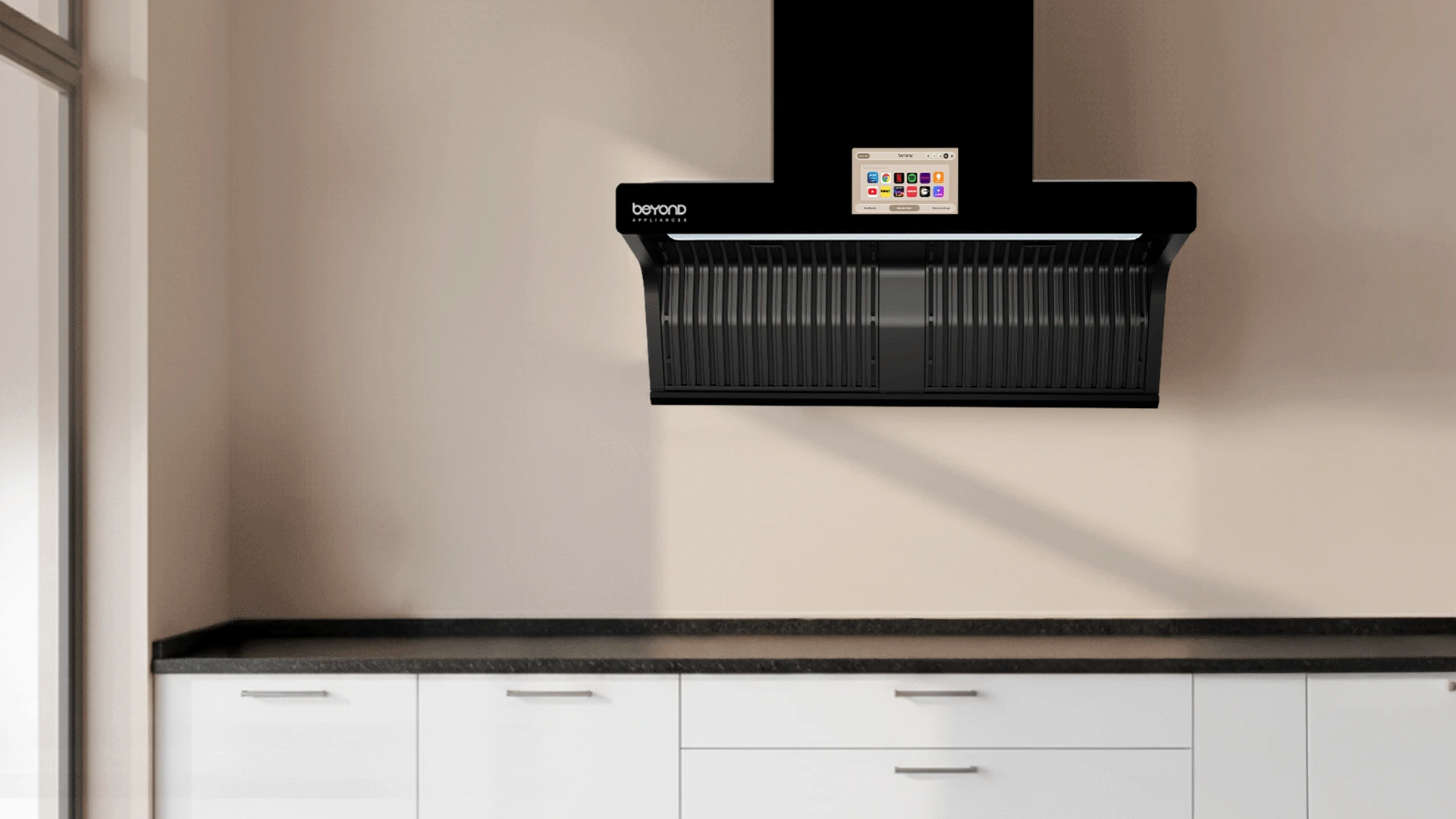
Voice control technology has transformed how we interact with home appliances, and kitchen chimneys are no exception. Modern cooking demands efficiency and convenience, especially when your hands are busy preparing meals. Smart kitchen technology now allows you to control your chimney with simple voice commands, making cooking safer and more enjoyable. Whether you're dealing with smoke from high-heat cooking or need to adjust ventilation while your hands are full, voice-controlled kitchen chimneys offer the perfect solution for today's connected homes.
Yes, kitchen chimneys can absolutely be voice controlled through various methods and technologies. The market for voice controlled kitchen appliances has grown significantly, with manufacturers offering both built-in smart features and retrofit solutions for existing units. Modern smart kitchen chimney models come with integrated voice control capabilities that work seamlessly with popular voice assistants. These chimneys connect to your home Wi-Fi network and respond to voice commands through Amazon Alexa, Google Assistant, or Apple's Siri. The technology allows you to operate your chimney hands-free, which is particularly valuable when you're actively cooking.
There are two main approaches to achieving voice control for your kitchen chimney. Built-in smart chimneys come with native voice control features and connect directly to your home network. These premium models offer the most seamless experience but require a higher initial investment. Retrofit solutions work with existing chimneys by adding smart switches, IR blasters, or smart plugs. These devices act as intermediaries between your voice assistant and the chimney, translating voice commands into actions the appliance can understand.
Most voice activated range hood systems support multiple voice assistants. Amazon Alexa leads in kitchen appliance compatibility, followed closely by Google Assistant. Apple HomeKit support is growing but remains more limited for kitchen-specific devices. The setup process varies by voice assistant, but most require downloading a companion app and linking your smart chimney to your voice assistant account. Once connected, you can create custom voice commands and integrate your chimney into broader smart home routines.
Setting up kitchen chimney automation requires understanding your current chimney type and choosing the right smart solution. The process differs significantly between new smart chimneys and retrofitting existing units. For existing chimneys, smart switches offer the most straightforward upgrade path. These devices replace your current wall switch and add Wi-Fi connectivity. Smart plugs work well for chimneys that plug into standard outlets, while IR blasters can control chimneys that use remote controls.
Begin by ensuring your home Wi-Fi network reaches your kitchen area reliably. Download the appropriate app for your chosen voice assistant and smart device. Most setups involve scanning a QR code or entering a device code to pair your chimney with the voice assistant. Create a device name that's easy to remember and pronounce. "Kitchen chimney" or "range hood" work well for voice recognition. Test basic commands like "turn on kitchen chimney" and "set chimney to medium speed" to ensure proper functionality.
Smart home cooking becomes more efficient when you integrate multiple connected kitchen devices. Set up routines that automatically turn on your chimney when you start cooking on a smart cooktop. Create timer-based operations that turn off the chimney after a set period. Some advanced systems can detect smoke or cooking activity and automatically adjust chimney speed. These features require additional sensors but provide truly hands free kitchen operation.
Effective voice command chimney operation relies on clear, consistent commands that your voice assistant can easily understand. Start with basic on/off commands and gradually add more complex instructions as you become comfortable with the system. Basic commands include "Turn on the kitchen chimney," "Set chimney speed to high," and "Turn off range hood in 10 minutes." These simple phrases cover most daily cooking needs and work reliably across different voice assistants.
Advanced users can create custom routines that combine multiple actions. For example, saying "Start cooking" could turn on the chimney, adjust kitchen lighting, and start a cooking timer simultaneously. These routines make efficient cooking technology work seamlessly in your daily routine. Safety commands are equally important. Set up emergency phrases like "Kitchen emergency" to immediately turn on the chimney at maximum speed. This feature proves invaluable when dealing with unexpected smoke or cooking mishaps.
The best hands free kitchen experiences combine chimney control with other smart appliances. Coordinate your voice-controlled chimney with smart cooktops, ovens, and even smart smoke detectors. This integration creates a comprehensive cooking environment that responds intelligently to your needs. Energy efficiency improves when devices work together. Smart routines can turn off the chimney automatically when cooking is complete, reducing unnecessary energy consumption while maintaining proper ventilation.
Common issues with connected kitchen devices include Wi-Fi connectivity problems and voice recognition errors. Ensure your router provides strong signal coverage in the kitchen area, as interference from other appliances can affect performance. Voice recognition accuracy improves with proper microphone placement and clear pronunciation. Speak naturally but distinctly when giving commands. If recognition problems persist, try rephrasing commands or adjusting the device name to something more phonetically distinct.
Regular software updates keep your smart chimney functioning optimally. Enable automatic updates when available, and periodically check manufacturer apps for new features or improvements. Network optimization helps maintain reliable voice control. Consider upgrading to a mesh Wi-Fi system if you experience frequent disconnections. Position your router centrally and minimize interference from other electronic devices.
The investment in voice-controlled kitchen technology varies significantly based on your chosen approach. Basic smart switches start around INR 2,000-4,000, while premium smart chimneys can cost INR 25,000-80,000 or more. Retrofit solutions offer excellent value for existing chimneys. Smart plugs cost as little as INR 1,500-3,000, while more sophisticated IR controllers range from INR 3,000-8,000. Professional installation may add INR 2,000-5,000 to the total cost.
Energy savings from automated operation can offset initial costs over time. Smart chimneys typically reduce energy consumption by 15-25% through optimized operation schedules and automatic shutoff features. The convenience factor provides significant value for busy households. Voice control eliminates the need to stop cooking activities to adjust ventilation, improving both safety and cooking efficiency.
Most kitchen chimneys can be retrofitted with smart switches or IR controllers to enable voice control. The specific solution depends on your chimney's power requirements and control method. Hardwired chimneys may require professional installation for smart integration.
Amazon Alexa and Google Assistant offer the widest compatibility with smart kitchen devices. Both platforms support extensive third-party integrations and provide reliable voice recognition for kitchen environments.
Retrofit solutions start from INR 1,500-3,000 for basic smart plugs, while comprehensive smart switches range from INR 3,000-8,000. Premium voice-enabled chimneys cost INR 25,000-80,000 depending on features and brand.
Yes, when properly installed with appropriate safety features like voice locks and emergency commands, voice-controlled kitchen chimneys are safe to use. Many systems include failsafe mechanisms that prevent accidental operation.
Basic on/off functions may work locally with some systems, but most advanced features require internet connectivity for cloud-based voice processing. Local control capabilities vary by manufacturer and device type.
Voice-controlled kitchen chimneys represent a significant advancement in smart home cooking technology. Whether you choose a retrofit solution for your existing chimney or invest in a new smart model, the convenience and efficiency benefits are substantial. The technology continues evolving rapidly, with new features and improved integration appearing regularly. Start with basic voice control and gradually expand your smart kitchen ecosystem as you become comfortable with the technology. The investment in voice-controlled kitchen appliances pays dividends in daily convenience and cooking efficiency.
