

How to Choose the Perfect Motion-Sensor Chimney
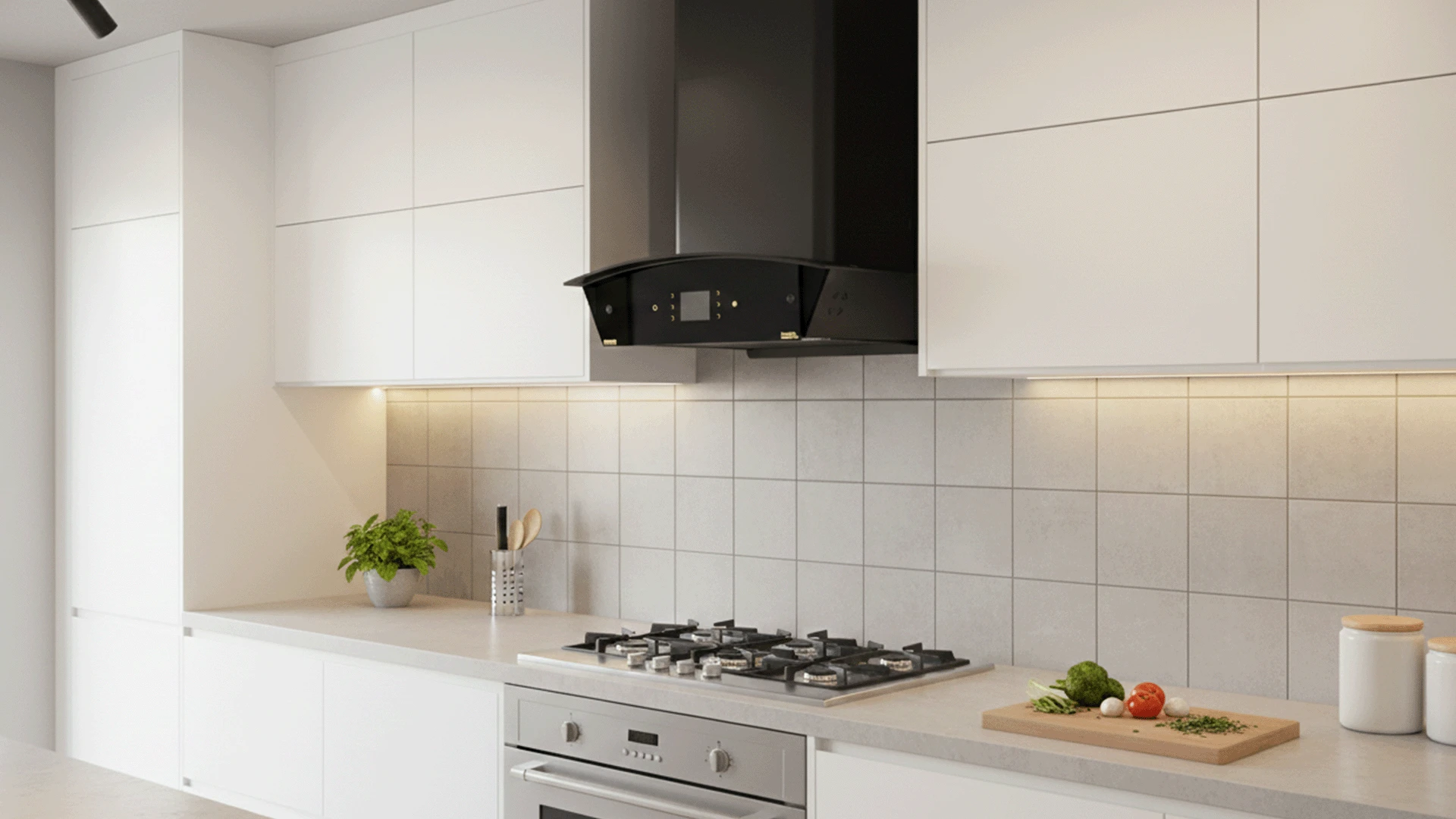
Modern kitchens demand smart solutions that make cooking easier and more efficient. A motion-sensor chimney represents the perfect blend of convenience and performance, automatically activating when you start cooking and turning off when you're done. This hands-free approach to kitchen ventilation eliminates the need to manually operate switches with greasy hands, while ensuring optimal air quality throughout your cooking experience. Whether you're upgrading your existing setup or planning a new kitchen, understanding how to choose the right motion-sensor chimney will help you make an informed decision that enhances both functionality and comfort in your culinary space.
Motion-sensor chimneys use advanced infrared or microwave sensors to detect movement in the cooking area. When you approach the stove or begin cooking, the sensors automatically trigger the chimney to start operating at an optimal speed. This smart chimney technology ensures immediate ventilation without any manual intervention, making your cooking experience more hygienic and convenient.
The automatic activation feature provides several key benefits for modern households. Energy efficiency improves significantly as the chimney operates only when needed, reducing unnecessary power consumption. The hands-free operation proves especially valuable when handling raw ingredients or working with messy preparations, eliminating the need to touch switches with dirty hands.
Motion sensors in kitchen chimneys typically use infrared technology to detect heat signatures and movement patterns. The sensors are strategically positioned to monitor the cooking area effectively, with adjustable sensitivity settings to prevent false triggers from general kitchen movement. Most systems include a delay feature that keeps the chimney running for a few minutes after motion stops, ensuring complete smoke and odor removal.
Automatic operation ensures consistent air quality by immediately responding to cooking activities. The system eliminates human error in timing, providing optimal ventilation from the moment cooking begins. This feature proves particularly beneficial during busy cooking sessions when remembering to turn on the chimney might be overlooked.
When evaluating motion-sensor chimneys, several key features determine overall performance and user satisfaction. Understanding these specifications helps you select a model that meets your specific cooking needs and kitchen requirements. The combination of smart technology and traditional chimney performance creates an efficient kitchen environment that enhances your daily cooking experience.
Performance specifications form the foundation of any quality chimney selection process. Beyond motion detection capabilities, factors like suction power, noise levels, and build quality significantly impact long-term satisfaction with your purchase.
Modern motion-sensor chimneys offer various smart features beyond basic detection. LED lighting integration provides automatic illumination when motion is detected, creating better visibility during cooking. Timer settings allow customization of operation duration, while sensitivity adjustments help fine-tune detection ranges for different kitchen layouts.
Suction capacity, measured in cubic meters per hour, determines how effectively the chimney removes smoke and odors. For Indian cooking styles that generate significant smoke and steam, look for models offering at least 1000 m³/hr capacity. Higher suction power ensures faster air clearance, particularly important for motion-activated systems that need to respond quickly to cooking activities.
Since motion-sensor chimneys activate automatically, noise levels become crucial for maintaining a pleasant kitchen environment. Quality models operate below 58 decibels even at maximum speed, ensuring the automatic operation doesn't disrupt conversations or create unnecessary disturbance during cooking.
Different chimney types accommodate various kitchen layouts and design preferences. Understanding the available options helps you select a model that integrates seamlessly with your kitchen's architecture while providing optimal ventilation performance. Each type offers unique advantages depending on your cooking space configuration and aesthetic requirements.
The choice between wall-mounted, island, and built-in models depends on your kitchen layout, cooking habits, and design preferences. Each type requires different installation approaches and offers distinct benefits for motion-sensor functionality.
Wall-mounted chimneys work best for standard kitchen layouts where the cooking range sits against a wall. These models offer straightforward installation and optimal sensor positioning for detecting cooking activities. The sensors can be precisely angled to monitor the cooking surface effectively while avoiding false triggers from general kitchen movement.
Island chimneys suit open kitchen designs where the cooking area sits in the center of the space. Motion sensors in these models require careful calibration to detect activity from multiple approach angles. The 360-degree detection capability ensures automatic activation regardless of which side you approach the cooking area from.
Built-in motion-sensor chimneys integrate seamlessly with kitchen cabinetry, offering a clean, minimalist appearance. These models require precise planning during kitchen design but provide excellent sensor positioning and optimal airflow patterns. The concealed design maintains the kitchen's aesthetic while delivering full smart functionality.
Selecting the perfect motion-sensor chimney requires careful evaluation of multiple factors beyond just the smart features. A systematic approach to the chimney buying guide process ensures you choose a model that delivers long-term satisfaction and optimal performance. Consider your cooking habits, kitchen size, budget constraints, and maintenance preferences when making your decision.
The buying process becomes more straightforward when you understand how different features impact daily use and long-term value. Prioritizing essential functions while considering nice-to-have features helps balance performance with budget considerations.
Kitchen size and cooking frequency determine the required suction capacity for effective ventilation. Multiply your kitchen's length, width, and height to get the volume, then multiply by 10-12 for the minimum required suction power. For heavy cooking with lots of frying and grilling, increase this calculation by 20-30% to ensure adequate air clearance.
Motion-sensor chimneys typically cost INR 15,000 to INR 50,000 depending on features and build quality. While the initial investment is higher than traditional models, the energy savings and convenience justify the premium. Factor in long-term operational costs, including filter replacements and maintenance, when evaluating total ownership expenses.
Choose brands with established service networks and readily available spare parts. Motion-sensor technology requires occasional calibration and sensor maintenance, making reliable after-sales support crucial. Look for manufacturers offering comprehensive warranties covering both mechanical components and electronic systems.
Proper chimney installation ensures optimal motion-sensor performance and long-term reliability. The installation process for motion-sensor models involves additional electrical connections and sensor calibration compared to traditional chimneys. Understanding these requirements helps you plan the installation process and budget for professional services when necessary.
Regular maintenance keeps motion sensors functioning accurately and extends the overall lifespan of your investment. Establishing a maintenance routine from the beginning prevents performance degradation and ensures consistent automatic operation.
Motion-sensor chimneys require stable electrical connections and proper sensor positioning for optimal performance. Professional installation ensures correct wiring, appropriate mounting height, and proper sensor calibration. The installation process typically takes 2-4 hours depending on kitchen layout and any required electrical modifications.
Motion sensors require periodic cleaning to maintain sensitivity and accuracy. Dust and grease accumulation can affect detection range and response time. Clean sensor surfaces monthly with a soft, dry cloth, and recalibrate the system if you notice delayed activation or false triggers.
Regular filter cleaning maintains suction efficiency and prevents motor strain. Baffle filters require monthly washing with warm soapy water, while charcoal filters need replacement every 3-6 months depending on usage. Clean filters ensure the motion-activated system operates at peak efficiency when automatically triggered.
Understanding common pitfalls in motion-sensor chimney selection helps you make better decisions and avoid costly mistakes. Many buyers focus heavily on smart features while overlooking fundamental performance requirements. Balancing technology features with practical considerations ensures you select a model that delivers both convenience and effective ventilation.
Learning from others' experiences helps streamline your selection process and prevents disappointment with your final choice. These insights prove particularly valuable when evaluating the growing range of motion-sensor models available in the market.
Undersized chimneys struggle to clear smoke effectively, even with motion-sensor activation. The automatic operation can't compensate for inadequate suction power, leading to poor air quality despite the smart features. Ensure the chimney's capacity matches your kitchen size and cooking intensity rather than focusing solely on motion-detection capabilities.
While motion sensors add convenience, traditional performance metrics remain crucial for satisfaction. Don't sacrifice suction power, build quality, or noise levels for advanced smart features. The best kitchen chimney balances intelligent operation with robust fundamental performance.
Most motion sensors detect movement within 1-2 meters of the cooking area. Sensitivity levels are adjustable on quality models, allowing customization based on kitchen layout and user preferences. Proper calibration prevents false triggers while ensuring reliable activation during cooking activities.
Motion-sensor chimneys activate based on movement detection rather than cooking method, making them compatible with gas stoves, electric cooktops, and induction systems. The sensors respond to your presence and movement around the cooking area regardless of the heat source being used.
Quality motion-sensor chimneys include manual override controls that allow normal operation even if sensors fail. Most models feature both automatic and manual modes, ensuring you can continue using the chimney while arranging sensor repairs or replacement.
Maintenance costs remain similar to traditional chimneys, with occasional sensor cleaning being the only additional requirement. The electronic components are generally reliable and don't require frequent servicing. Energy savings from automatic operation often offset any minimal additional maintenance expenses.
Professional installation typically requires 2-4 hours, including electrical connections and sensor calibration. The process may take longer if electrical modifications are needed or if ducting requires significant adjustments. Most installations can be completed in a single visit by experienced technicians.
Yes, most quality motion-sensor chimneys offer adjustable sensitivity and detection range settings. These adjustments help optimize performance for different kitchen sizes and layouts while preventing unwanted activation from general kitchen movement unrelated to cooking activities.
Choosing the perfect motion-sensor chimney requires balancing smart technology features with fundamental performance requirements. Focus on models that offer reliable motion detection, adequate suction power for your kitchen size, and quality construction from reputable manufacturers. Consider your cooking habits, kitchen layout, and budget when evaluating options, and don't overlook the importance of professional installation and regular maintenance for optimal long-term performance. The investment in motion-sensor technology pays dividends through improved convenience, energy efficiency, and consistent air quality in your kitchen.
