

How to Choose the Perfect Modern Kitchen Hob Design
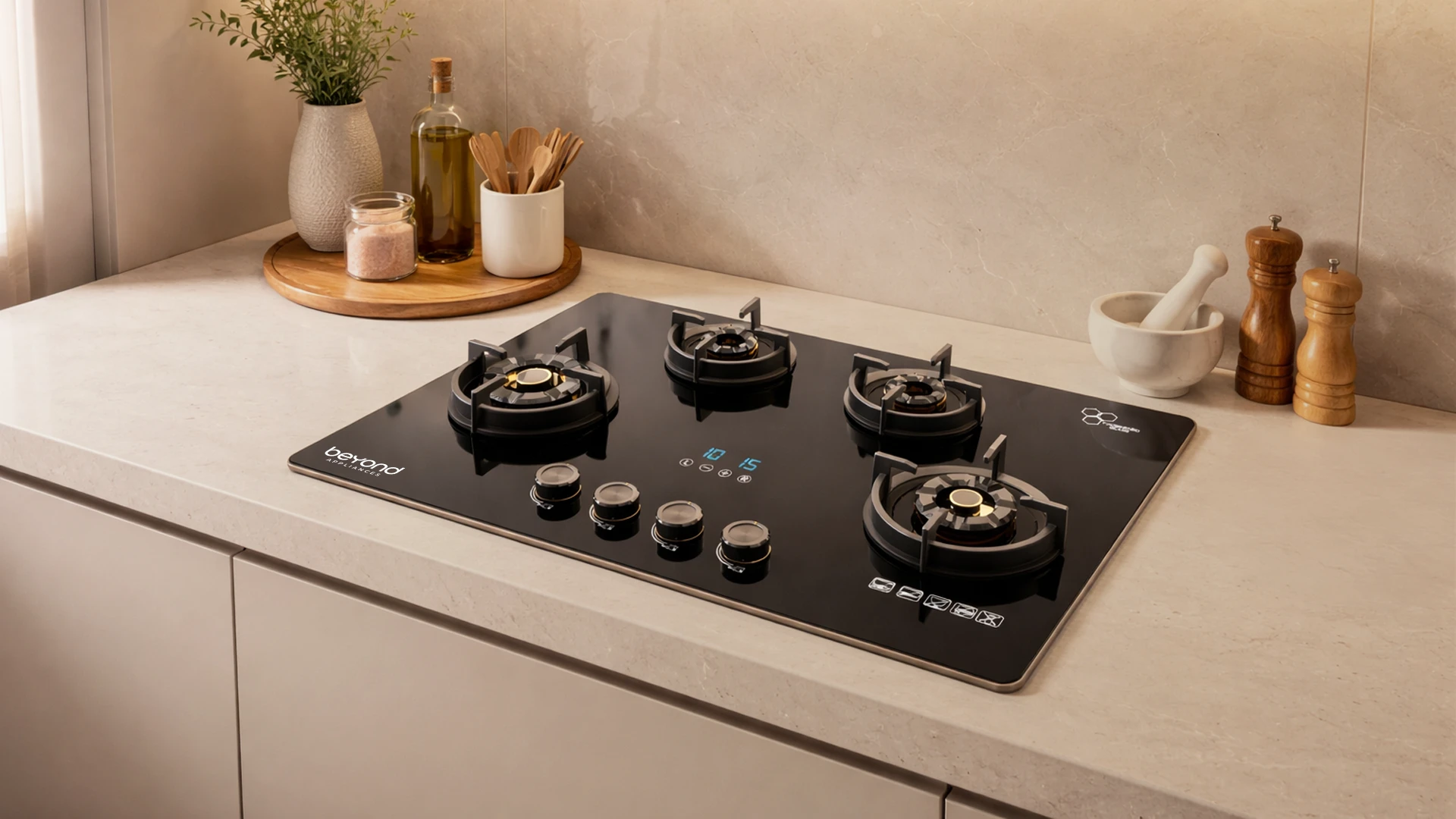
Choosing the right hob for your kitchen goes beyond just picking any cooking surface. Modern kitchen hobs design has evolved dramatically, offering homeowners incredible variety in functionality, aesthetics, and technology. Whether you're renovating your entire kitchen or simply upgrading your cooking experience, understanding the different kitchen hob types available today will help you make an informed decision. From energy-efficient induction cooktops to sleek gas designs, each option brings unique benefits that can transform how you cook and interact with your kitchen space.
The foundation of selecting the perfect hob starts with understanding what's available in today's market. Each type of hob offers distinct advantages, and your choice should align with your cooking habits, kitchen design, and long-term goals. Let's explore the three main categories that dominate modern kitchens.
Induction cooktops represent the pinnacle of cooking efficiency and safety. These innovative surfaces use electromagnetic fields to heat cookware directly, achieving up to 85% energy efficiency compared to traditional methods. The precise temperature control allows you to simmer delicate sauces or sear proteins with professional-level accuracy. Safety features include automatic pan detection, child locks, and cool-to-touch surfaces that remain safe even during cooking. However, you'll need compatible cookware made from ferrous materials like cast iron or magnetic stainless steel.
Gas hobs continue to be popular among cooking enthusiasts who prefer instant flame control and visual feedback. Modern gas hob design incorporates sleek glass surfaces, brass burners for durability, and advanced safety features like flame failure protection. These hobs work with any cookware type and provide immediate heat adjustment. The aesthetic appeal of dancing flames adds a professional kitchen ambiance, while the lower operating costs make them economical for frequent cooking.
Electric hobs come in two main varieties: ceramic and solid plate designs. Ceramic electric hob models feature smooth glass surfaces that are easy to clean and integrate seamlessly with modern kitchen aesthetics. They heat up relatively quickly and distribute heat evenly across the cooking surface. Solid plate electric hobs offer budget-friendly options with reliable performance, though they take longer to heat up and cool down compared to other types.
Today's smart cooktop technology transforms ordinary cooking into an intelligent, connected experience. These advanced features not only enhance convenience but also improve safety and energy management in your kitchen.
Modern energy efficient hob designs incorporate multiple technologies to reduce power consumption. Induction models lead the efficiency race, converting nearly all electrical energy into heat. Smart sensors automatically adjust power levels based on cookware size and cooking requirements. Timer functions and auto-shutoff features prevent overcooking while saving energy. Some models include eco-modes that optimize power usage during different cooking phases, potentially reducing your electricity bills by 20-30% compared to older hob designs.
Smart cooktops feature intuitive touch controls that respond to finger gestures, making operation effortless even with wet hands. Overheat protection automatically reduces power or shuts off burners when temperatures exceed safe limits. Wi-Fi connectivity allows remote monitoring and control through smartphone apps. You can start preheating, adjust temperatures, or receive notifications when cooking cycles complete, adding unprecedented convenience to your culinary routine.
Proper planning for hob installation ensures seamless integration with your kitchen design while maximizing functionality. The installation approach varies significantly based on your kitchen size, layout, and specific needs.
Compact kitchens benefit from strategic small kitchen hob placement that maximizes cooking capability without overwhelming the space. Two or three-burner configurations provide adequate cooking capacity while preserving valuable counter space for food preparation. Corner installations can utilize otherwise wasted space, while slim-profile designs maintain visual flow. Consider domino-style modular hobs that allow mixing different cooking technologies in a compact footprint.
Spacious kitchens accommodate four or five-burner systems that support elaborate meal preparation. Professional-grade features like high-output burners, simmer settings, and specialized cooking zones enhance culinary capabilities. Kitchen island installations create focal points while improving workflow efficiency. Ensure adequate ventilation and clearance around large hob installations to maintain safety and optimal performance.
Contemporary cooktop styles seamlessly blend functionality with visual appeal, becoming integral design elements rather than mere appliances. The right style choice enhances your kitchen's overall aesthetic while reflecting your personal taste.
Flush-mount installations create clean, uninterrupted surfaces that epitomize modern kitchen design. Black glass finishes provide sophisticated elegance, while stainless steel options offer timeless appeal that complements various design themes. Frameless designs eliminate visual boundaries, making hobs appear to float within countertops. Hidden controls maintain clean lines when the hob is not in use, contributing to minimalist aesthetics.
Contemporary designs feature geometric patterns, LED indicators, and ultra-thin profiles that complement modern kitchen architecture. Traditional styling incorporates classic elements like cast iron grates and vintage-inspired control knobs while maintaining modern functionality. Mixed material combinations allow customization that matches specific design visions. Some manufacturers offer interchangeable decorative elements that can be updated as design preferences evolve.
Successful built-in hob installation requires careful planning and attention to safety requirements. Understanding the complexity involved helps determine whether professional installation is necessary or if DIY approaches are feasible.
Electrical requirements vary significantly between hob types. Induction models typically need dedicated 32-amp circuits, while gas hobs require proper gas line connections and safety shutoff valves. Measure countertop cutout dimensions precisely, as mistakes can be costly to correct. Ventilation planning ensures proper air circulation and odor removal. Building codes may specify minimum clearances from walls, cabinets, and other appliances that must be maintained for safety compliance.
DIY installation is possible for electric models with basic electrical knowledge, but gas connections always require certified professionals. The process involves creating precise countertop cutouts, securing mounting brackets, and making proper utility connections. Post-installation testing verifies all safety systems function correctly. Professional installers provide warranties on their work and ensure compliance with local building codes, offering peace of mind for complex installations.
Selecting the perfect hob involves balancing performance requirements with budget constraints while considering long-term value. Understanding your specific needs helps narrow options and ensures satisfaction with your investment.
Daily cooking habits significantly influence hob selection. Frequent entertainers benefit from multiple high-output burners, while casual cooks may prefer simple, efficient designs. Family size determines the number of cooking zones needed for simultaneous meal preparation. Special cooking techniques like wok cooking or candy making require specific burner types and power levels. Consider future needs as cooking interests and family situations may evolve over time.
Entry-level hobs starting around INR 15,000 provide basic functionality with reliable performance. Mid-range options between INR 25,000-50,000 offer enhanced features like multiple cooking zones and improved safety systems. Premium hobs exceeding INR 75,000 include advanced technologies, superior materials, and extended warranties. Calculate total ownership costs including energy consumption, maintenance, and potential repairs when comparing options.
Induction cooktops offer the highest energy efficiency at approximately 85%, compared to 40-50% for gas hobs and 65-70% for electric models. The electromagnetic heating method transfers energy directly to cookware, minimizing heat loss.
Consider your cooking frequency, family size, and available counter space. Small families typically need 2-3 burners, while larger households benefit from 4-5 cooking zones. Measure your countertop carefully and ensure adequate clearance around the installation area.
Smart features provide convenience through remote control, energy monitoring, and safety enhancements. The value depends on your lifestyle and cooking habits. Frequent cooks often appreciate the precision and connectivity, while occasional users might prefer simpler models.
Built-in hobs integrate seamlessly with countertops, creating clean, modern appearances. Freestanding models offer installation flexibility and easier replacement but may not achieve the same aesthetic integration with kitchen design.
Quality hobs last 10-15 years with proper maintenance. Induction models often have longer lifespans due to fewer moving parts, while gas hobs require periodic burner maintenance. Regular cleaning and following manufacturer guidelines extend operational life significantly.
Selecting the perfect modern kitchen hob design requires balancing multiple factors including cooking needs, aesthetic preferences, and budget considerations. Whether you choose an efficient induction cooktop, a responsive gas design, or a reliable electric model, focus on features that enhance your daily cooking experience. Remember that proper installation and regular maintenance ensure optimal performance and longevity, making your hob investment worthwhile for years to come. Take time to evaluate your specific requirements and explore different options to find the ideal cooking solution for your modern kitchen.
