

How to Choose the Perfect Modern Chimney Design
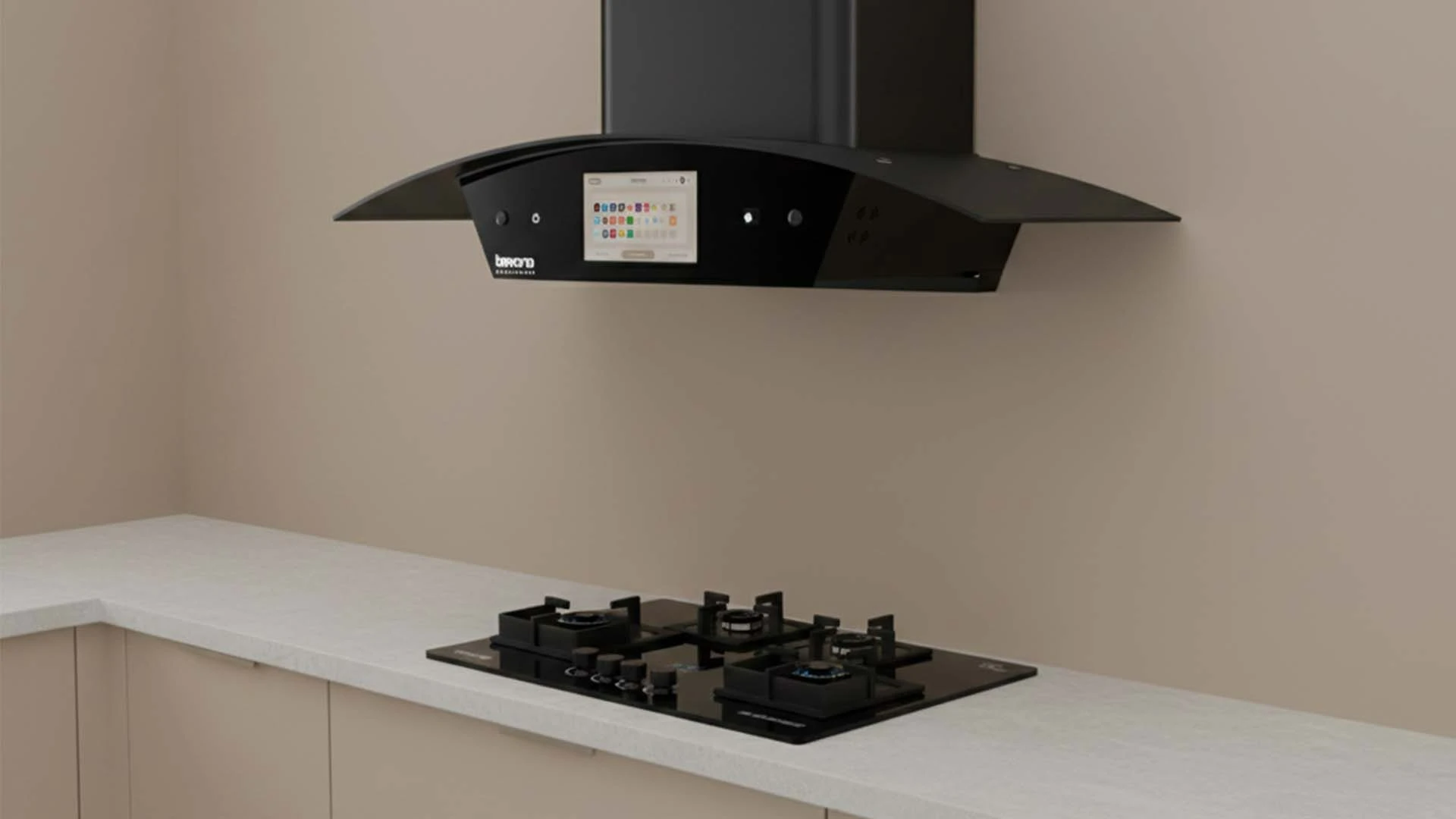
Choosing the right modern chimney types designs for your kitchen can transform your cooking experience and enhance your home's aesthetic appeal. With Indian cooking involving high heat, oil, and aromatic spices, selecting an efficient ventilation system becomes crucial for maintaining a clean and comfortable kitchen environment. Modern chimney designs offer various styles, technologies, and features that cater to different kitchen layouts, cooking habits, and budget requirements.
The world of kitchen chimney options has evolved significantly, offering homeowners multiple choices to suit their specific needs. Each type of chimney serves different purposes and works best in particular kitchen configurations. Understanding these variations helps you make an informed decision that balances functionality with aesthetics.
Wall-mounted chimneys remain the most popular choice for Indian homes due to their practical design and cost-effectiveness. These chimney styles attach directly to the wall above your cooking range, making them ideal for compact kitchens where space optimization is essential. Installation is straightforward, and maintenance remains manageable for most homeowners.
Island chimneys create stunning focal points in open kitchen designs. These suspended units hang from the ceiling, creating a floating effect that maintains visual flow while providing powerful ventilation. Glass and stainless steel combinations offer modern appeal, though installation requires careful planning for proper support and ducting.
Built-in chimneys offer the ultimate in minimalist aesthetics by integrating seamlessly into your kitchen cabinetry. These hidden ventilation systems provide powerful suction while maintaining clean lines and uninterrupted design flow. Custom integration options allow for perfect alignment with your kitchen's overall design theme.
Corner installations make efficient use of traditionally challenging kitchen spaces. These specialized types of chimneys work well in compact kitchens where every inch matters, offering unique design possibilities while maintaining effective ventilation performance.
Modern efficient chimney designs incorporate advanced technologies that enhance performance while reducing maintenance requirements. Understanding these features helps you select a system that meets your cooking needs and lifestyle preferences. Performance specifications, filter systems, and control technologies all contribute to overall effectiveness.
Suction power, measured in cubic feet per minute (CFM), determines how effectively your chimney removes smoke, steam, and odors. Indian cooking typically requires higher CFM ratings due to oil-based cooking methods and strong spices. Motor efficiency affects both performance and energy consumption, making it a crucial consideration for long-term operating costs.
Modern filter technologies significantly reduce maintenance requirements while improving extraction efficiency. Baffle filters offer superior grease separation and easier cleaning compared to traditional cassette filters. Auto-clean technology uses heat to break down grease deposits, reducing manual cleaning frequency and maintaining optimal performance.
Touch controls and digital displays provide intuitive operation and precise control over ventilation settings. Auto-start sensors detect cooking activity and adjust suction power automatically, while timer functions ensure energy efficiency. Smart home integration capabilities allow remote monitoring and control through mobile applications.
Contemporary chimney designs balance functionality with visual appeal, offering styles that enhance rather than detract from your kitchen's overall design. Material choices, finishes, and geometric forms all contribute to creating cohesive kitchen aesthetics. The right style choice depends on your existing décor and personal preferences.
Sleek stainless steel finishes and clean geometric lines characterize minimalist chimney designs. These styles integrate seamlessly with contemporary cabinetry and appliances, creating unified visual themes. Color coordination with existing fixtures ensures harmonious kitchen aesthetics.
Pyramid-shaped chimneys create distinctive visual interest while balancing traditional and contemporary design elements. These chimney styles work particularly well in kitchens that blend modern functionality with classic Indian design motifs. Various material and finish options allow customization to match specific décor themes.
Transparent glass panels maintain visual flow in open kitchen designs while providing easy cleaning and maintenance. Heat-resistant materials ensure durability under demanding cooking conditions, while style versatility allows integration with various design themes.
Proper sizing ensures optimal performance while avoiding over-specification that wastes energy and increases costs. Kitchen dimensions, ceiling height, and cooking patterns all influence capacity requirements. Understanding these factors helps you select a system that provides adequate ventilation without unnecessary complexity or expense.
Measuring guidelines help determine appropriate chimney capacity for different kitchen sizes. Ceiling height affects installation options and ducting requirements, while cooking frequency impacts capacity needs. Open kitchen layouts require different considerations compared to enclosed cooking spaces.
Indian cooking demands robust ventilation due to high-heat cooking methods and oil usage. Multiple burner usage patterns and spice-heavy preparations require higher extraction rates. Understanding your cooking habits helps select appropriate capacity and features.
Proper installation ensures optimal performance, safety, and longevity of your cooking ventilation system. Height, positioning, and ducting all affect efficiency and user experience. Professional installation often provides better results and warranty protection compared to DIY approaches.
Standard installation heights balance safety with efficiency, typically ranging from 24 to 30 inches above the cooking surface. Proper positioning avoids interference with cabinet doors while ensuring maximum capture of cooking emissions. Distance requirements vary based on chimney type and cooking surface configuration.
Ductwork routing affects both performance and installation complexity. External venting provides superior performance compared to recirculation systems, though structural considerations may limit options. Professional assessment ensures optimal routing and compliance with building codes.
Various chimney alternatives provide effective ventilation at different price points. Understanding the trade-offs between cost and features helps you make informed decisions that fit your budget while meeting your ventilation needs. Long-term operating costs should factor into initial purchase decisions.
Range hood options offer installation flexibility and often lower initial costs compared to traditional chimneys. Performance differences and suitable applications vary based on kitchen layout and cooking requirements. Cost comparisons should include installation and long-term maintenance expenses.
Recirculation technology eliminates external ducting requirements, simplifying installation in challenging layouts. While installation advantages are significant, efficiency considerations and maintenance requirements differ from ducted systems. These systems work best for light to moderate cooking applications.
Identifying essential versus premium features helps optimize your investment. Long-term cost benefits from energy efficiency and reduced maintenance often justify higher initial costs. Warranty coverage and service availability affect total ownership costs and user satisfaction.
Wall-mounted chimneys with high CFM ratings and baffle filters work exceptionally well for Indian cooking. The robust suction power handles oil-based cooking effectively, while baffle filters manage grease separation efficiently. Auto-clean features reduce maintenance requirements significantly.
Chimney size depends on your kitchen area and cooking habits. For kitchens up to 175 square feet, 400-600 CFM capacity works well. Larger kitchens or heavy cooking requires 800-1200 CFM. Professional assessment ensures optimal sizing for your specific needs.
Ductless chimneys work for light cooking but may struggle with heavy Indian cooking involving oils and spices. Ducted systems provide superior performance for traditional Indian cooking methods. Consider your cooking frequency and style when choosing between options.
Quality modern chimneys range from INR 8,000 to INR 50,000 depending on features and brand. Mid-range options around INR 15,000-25,000 offer good balance of features and performance. Factor installation costs and extended warranty options into your budget planning.
Selecting the perfect modern chimney requires balancing performance, aesthetics, and budget considerations. Understanding different types of chimneys and their applications helps you make informed decisions that enhance your cooking experience. Consider your kitchen layout, cooking habits, and long-term maintenance preferences when evaluating options. Professional consultation and installation ensure optimal performance and safety compliance for your investment.
