

How to Choose the Perfect Kitchen Cooktop Stove
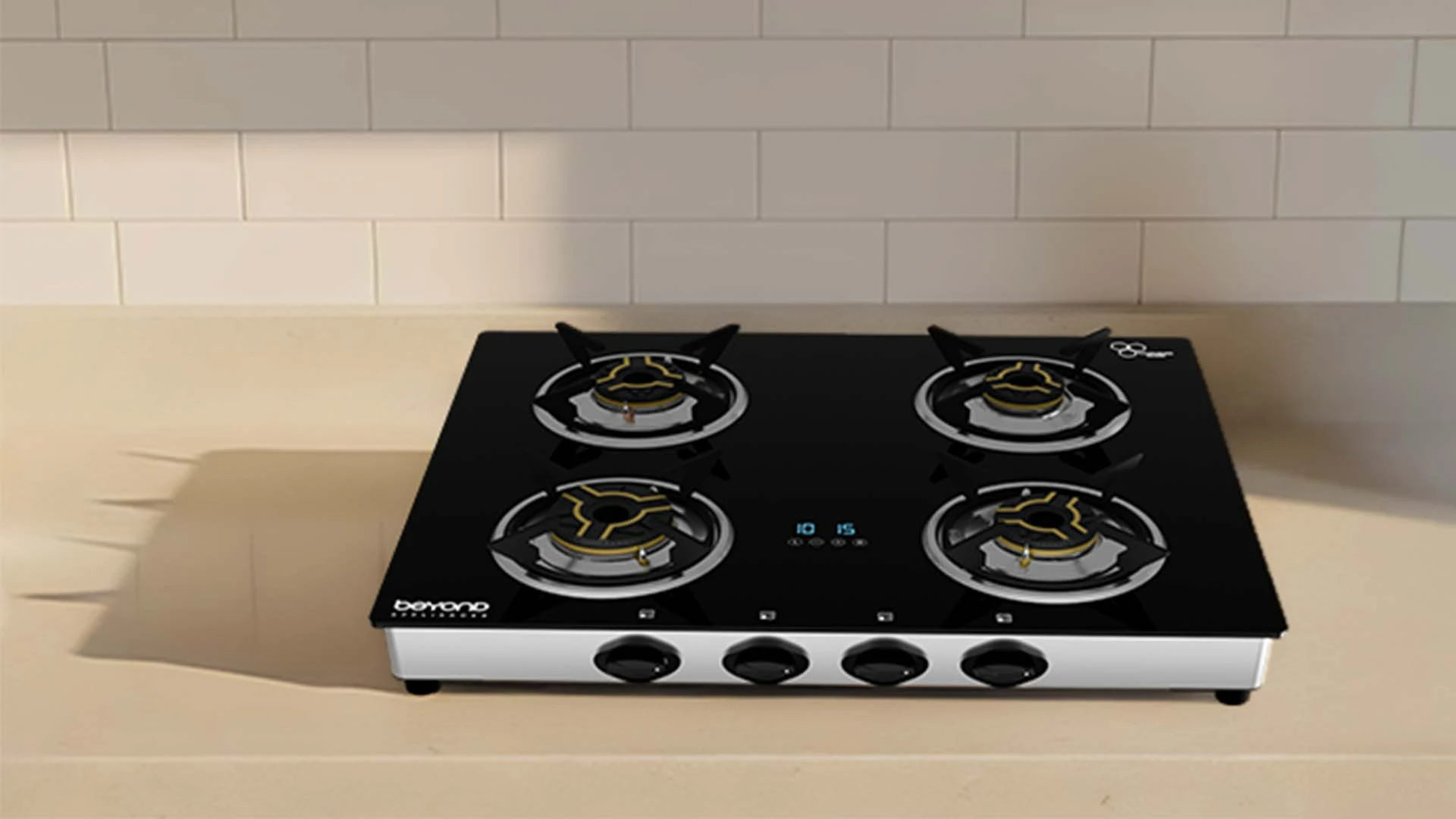
Choosing the right kitchen cooktop stove can transform your cooking experience and become the heart of your culinary adventures. With numerous options available in today's market, from traditional gas models to modern induction technology, making the perfect choice requires understanding your cooking habits, kitchen layout, and budget constraints. The right cooktop not only enhances your cooking efficiency but also complements your kitchen's design while ensuring safety and convenience for years to come. Whether you're renovating your kitchen or replacing an old unit, this comprehensive guide will help you navigate through the various types, features, and considerations to find your ideal cooking companion.
The modern kitchen offers several distinct types of cooking ranges, each with unique advantages and characteristics. Understanding these differences helps you make an informed decision based on your specific needs and preferences. Each type operates on different principles and offers varying levels of control, efficiency, and maintenance requirements.
Gas cooktop models remain the preferred choice for many home cooks due to their instant heat control and visual flame indicators. These units provide immediate temperature adjustments, allowing you to go from high heat to low simmer instantly. The open flame offers excellent heat distribution and works with all types of cookware. Most modern gas stoves feature auto-ignition systems, eliminating the need for matches or lighters. Installation requires proper gas line connections and adequate ventilation for safety.
Electric cooktop options provide smooth, easy-to-clean surfaces that integrate seamlessly with modern kitchen designs. These units heat through electric coils or radiant elements beneath a glass surface. While they take longer to heat up and cool down compared to gas, they offer consistent temperature maintenance once heated. Electric models are ideal for kitchens without gas connections and provide even heat distribution across the cooking surface.
Induction cooktop technology represents the latest advancement in cooking efficiency. These units use electromagnetic fields to heat compatible cookware directly, making them incredibly energy-efficient and responsive. Induction surfaces remain relatively cool during cooking, reducing burn risks and making cleanup easier. However, they require magnetic cookware such as cast iron or stainless steel to function properly.
Portable cooktop and countertop stove solutions offer flexibility for small kitchens, temporary setups, or additional cooking capacity. These compact units can be gas, electric, or induction-powered and provide convenient cooking options without permanent installation. While they may have power limitations compared to built-in models, they're perfect for apartments, outdoor cooking, or supplemental kitchen use.
Comparing different kitchen appliances requires examining their performance characteristics, operating costs, and practical considerations. Each type offers distinct advantages depending on your cooking style and kitchen requirements. Understanding these differences helps you choose the most suitable option for your specific needs.
Gas stoves provide instant heat response and precise flame control, making them ideal for techniques requiring quick temperature changes. Electric models offer consistent heat but slower response times, while induction provides rapid heating with precise digital controls. Professional chefs often prefer gas for its visual feedback and immediate adjustability, though induction is gaining popularity for its efficiency and precision.
Induction cooktops lead in energy efficiency, converting about 90% of energy directly to heat. Gas units typically achieve 40-55% efficiency, while electric models fall between 65-70%. Monthly operating costs vary based on local utility rates, but induction generally offers the lowest long-term costs despite higher initial investment. Consider your local gas and electricity rates when calculating lifetime costs.
Gas installations require professional setup with proper ventilation and safety checks. Electric models need adequate electrical capacity and may require circuit upgrades. Induction units have similar electrical requirements but often need specific cookware. Maintenance varies significantly, with gas requiring burner cleaning and electric needing surface care, while induction offers the easiest cleanup due to cool surfaces.
Selecting the perfect kitchen stove involves evaluating multiple features that impact daily cooking experiences. Modern units offer various configurations, materials, and technologies designed to enhance convenience and safety. Consider these essential features to ensure your chosen model meets both current needs and future requirements.
Burner layouts range from compact 2-burner models to spacious 5-burner configurations. Four-burner designs remain most popular for average families, offering balanced cooking capacity without overwhelming smaller kitchens. Gas models feature different BTU ratings for various cooking needs, while electric and induction units offer multiple wattage zones. Consider your typical cooking patterns when choosing burner sizes and arrangements.
Toughened glass surfaces provide elegant aesthetics and easy cleaning but require careful handling to prevent scratches. Stainless steel offers excellent durability and professional appearance while resisting stains and heat damage. Cast iron grates on gas models provide stable cookware support and even heat distribution. Choose materials that balance appearance, functionality, and maintenance requirements for your lifestyle.
Modern safety features include auto-ignition systems, flame failure protection, and child safety locks. Digital controls offer precise temperature settings and timer functions for enhanced cooking convenience. Some models include overheat protection and automatic shut-off features for added peace of mind. These safety elements are particularly important in households with children or elderly family members.
Advanced models incorporate smart connectivity, allowing remote monitoring and control through smartphone apps. Digital displays show cooking times, temperatures, and energy consumption data. Some units feature preset cooking programs and memory functions for frequently used settings. While these features add convenience, consider whether they align with your cooking habits and technical comfort level.
Understanding price ranges helps establish realistic budgets and identify the best value options within your financial constraints. Prices vary significantly based on type, features, brand reputation, and build quality. Consider long-term operating costs alongside initial purchase prices for comprehensive budget planning.
Entry-level gas stoves with 2-3 burners offer reliable cooking performance at affordable prices. Basic electric coil models provide simple operation without advanced features. Manual ignition gas units reduce costs while maintaining functionality. These options work well for small families, rental properties, or temporary cooking setups where basic functionality meets immediate needs.
This price range includes 4-burner gas stoves with auto-ignition, toughened glass surfaces, and brass burners. Quality electric smooth-top models and basic induction units fall within this category. These models balance features, durability, and affordability, making them popular choices for most households seeking reliable performance with modern conveniences.
High-end induction cooktops with advanced controls, commercial-grade gas ranges, and smart-enabled models occupy this premium segment. These units feature superior build quality, extended warranties, and cutting-edge technology. Professional-grade performance and luxury aesthetics justify higher costs for serious cooking enthusiasts and upscale kitchen designs.
Proper installation and kitchen integration ensure optimal performance and safety while maximizing your cooking space efficiency. Consider existing infrastructure, ventilation requirements, and workflow patterns when planning your cooktop placement. Professional installation often provides warranty protection and ensures compliance with safety codes.
Standalone cooktops offer design flexibility and easier replacement options compared to full ranges. Built-in models integrate seamlessly with countertops for streamlined appearances. Separate cooktops allow independent oven placement, optimizing kitchen workflow and ergonomics. Consider your cooking habits, kitchen size, and design preferences when choosing between integrated and separate units.
Adequate ventilation removes cooking odors, smoke, and excess heat while ensuring safety. Gas units require proper exhaust systems to remove combustion byproducts. Electric and induction models benefit from ventilation for steam and odor control. Ensure adequate clearance around the cooking surface and proper electrical or gas connections for safe operation.
Optimal placement considers the kitchen work triangle connecting sink, refrigerator, and cooking area. Maintain adequate prep space on both sides of the cooktop for efficient cooking workflows. Consider storage needs for cookware, utensils, and ingredients within easy reach. Plan for heat-resistant surfaces and adequate lighting to enhance cooking safety and convenience.
Regular maintenance extends your cooktop's lifespan while ensuring optimal performance and safety. Different types require specific care routines, from daily cleaning to periodic professional servicing. Understanding common issues and solutions helps maintain efficiency and prevents costly repairs.
Gas surfaces require regular burner cleaning and grate maintenance to prevent grease buildup. Electric smooth-tops need gentle cleaning with appropriate products to avoid scratches. Induction surfaces clean easily with standard glass cleaners due to cool operating temperatures. Establish daily cleaning routines to prevent stubborn stains and maintain attractive appearances.
Ignition problems often result from dirty burner ports or faulty spark electrodes. Uneven heating may indicate clogged gas ports or damaged electric elements. Induction units may experience cookware compatibility issues or control malfunctions. Many problems resolve with basic cleaning or simple adjustments, though complex issues require professional attention.
Proper usage techniques prevent premature wear and damage to cooking surfaces. Regular professional servicing maintains gas connections and electrical components. Quality cookware prevents scratches and ensures even heating. Following manufacturer guidelines for operation and maintenance preserves warranty coverage and optimal performance throughout the unit's lifespan.
Family size and cooking habits determine optimal cooktop size. Two-burner models suit singles or couples, while 3-4 burner units accommodate most families. Larger households or frequent entertainers benefit from 4-5 burner configurations with varied heat outputs.
Gas cooktop installation typically costs INR 2,000-5,000 depending on existing connections and complexity. New gas line installation adds INR 3,000-8,000 to total costs. Professional installation ensures safety compliance and warranty protection.
Replacing electric with gas requires gas line installation and proper ventilation. Existing electrical connections may need modification. Consult professionals to assess feasibility and obtain necessary permits for safe conversion.
Higher wattage provides faster heating and better performance with large cookware. 1800W units heat more quickly and maintain temperature better during high-demand cooking. 1200W models offer adequate performance for basic cooking needs at lower costs.
Induction cooktops achieve highest energy efficiency at approximately 90% energy transfer. Electric models reach 65-70% efficiency, while gas units typically achieve 40-55% due to heat loss around cookware.
Three-burner models suit smaller kitchens and basic cooking needs. Four-burner configurations provide better flexibility for multiple dishes and larger meal preparation. Consider your typical cooking patterns and available counter space.
Look for ISI marks, CE certifications, and manufacturer safety standards. Gas models should include flame failure protection and auto-ignition features. Electric and induction units benefit from overheat protection and child safety locks.
Portable units work well for temporary solutions or supplemental cooking capacity. Built-in models offer better integration, higher power output, and permanent installation benefits. Consider your specific needs and kitchen design requirements.
Choosing the perfect kitchen cooktop stove requires balancing performance needs, budget constraints, and kitchen design considerations. Whether you prefer the instant control of gas, the sleek efficiency of induction, or the consistent heat of electric models, the right choice enhances your cooking experience while providing years of reliable service. Consider your cooking habits, family size, and long-term plans when making this important kitchen investment. Remember that proper installation, regular maintenance, and quality cookware maximize your cooktop's performance and lifespan, making it a worthwhile addition to your culinary arsenal.
