

How to Choose the Perfect Home Cooktop Stove
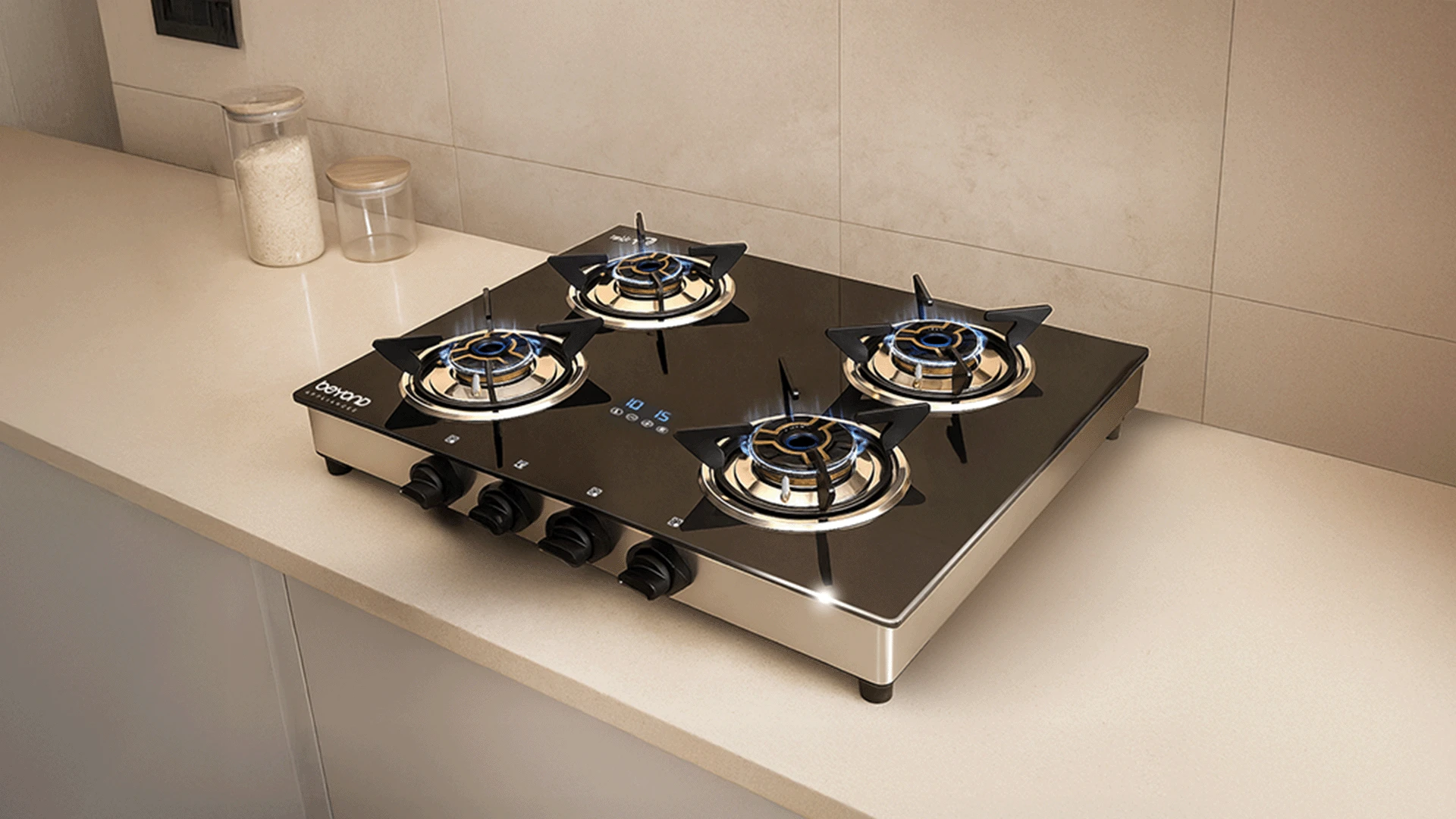
Choosing the right home cooktop stove can transform your cooking experience and become the centerpiece of your kitchen. With numerous options available in today's market, from traditional gas models to cutting-edge induction technology, making the right choice requires understanding your specific needs, cooking habits, and kitchen layout. The perfect cooktop should blend functionality, safety, and style while fitting comfortably within your budget. Whether you're renovating your entire kitchen or simply upgrading your cooking appliance, this comprehensive guide will help you navigate through the various types, features, and considerations to find your ideal kitchen cooktop.
The modern market offers several distinct types of cooking surfaces, each with unique advantages and characteristics. Understanding these differences helps you make an informed decision based on your cooking style and kitchen requirements.
A gas cooktop remains the preferred choice for many home cooks and professional chefs. The instant heat control allows you to adjust flame intensity immediately, providing precise temperature management for delicate sauces or high-heat searing. Visual flame indicators make it easy to gauge heat levels at a glance.
An electric cooktop offers smooth, easy-to-clean surfaces that integrate seamlessly into modern kitchen designs. These units provide consistent heat distribution across the cooking surface, eliminating hot spots that can cause uneven cooking. Many models include safety features like child locks and residual heat indicators.
The induction cooktop represents the latest advancement in cooking technology. Using electromagnetic fields to heat cookware directly, these units achieve faster heating times and precise temperature control. Energy efficiency reaches up to 90%, making them environmentally friendly and cost-effective to operate.
A portable cooktop or countertop stove provides flexibility for small kitchens, outdoor cooking, or temporary cooking solutions. These compact units offer space-saving designs without compromising cooking performance, making them ideal for apartments, RVs, or as supplementary cooking surfaces.
Selecting the perfect cooking range involves evaluating multiple factors that affect both immediate usability and long-term satisfaction. Consider your kitchen layout, cooking habits, and budget constraints when making your decision.
Measure your available space accurately, including width, depth, and clearance requirements. Standard cooktop sizes range from 24 inches for compact units to 48 inches for professional-style models. Consider ventilation requirements and ensure adequate clearance from cabinets and walls for safe operation.
Evaluate how frequently you cook and what types of meals you prepare. Large families or frequent entertainers may benefit from cooktops with five or six burners, while smaller households might find three or four burners sufficient. Consider whether you need specialized burners for tasks like simmering or high-heat wok cooking.
Initial purchase prices vary significantly between cooktop types. Gas models typically cost between INR 15,000 to INR 80,000, while electric units range from INR 20,000 to INR 1,00,000. Induction cooktops generally fall between INR 25,000 to INR 1,50,000, with premium models reaching higher price points.
Each cooktop type offers distinct advantages and considerations. Understanding these differences helps you choose the technology that best matches your cooking style and kitchen setup.
Gas cooktops provide instant heat adjustment and work with all cookware types. Electric models offer consistent heating but slower temperature changes. Induction cooktops heat fastest and provide precise control but require magnetic cookware. Professional chefs often prefer gas for its responsiveness and visual feedback.
Gas units carry fire and gas leak risks but offer visual flame indicators. Electric cooktops eliminate open flames but retain heat after use. Induction technology provides the safest option with cool-touch surfaces and automatic pan detection. All modern units include safety features like automatic shut-off and child locks.
Induction cooktops achieve 85-90% energy efficiency compared to 40-55% for gas and 65-70% for electric models. Operating costs depend on local utility rates, but induction typically offers the lowest long-term energy expenses. Consider your region's electricity source when evaluating environmental impact.
Modern cooktops incorporate advanced features that enhance cooking performance, safety, and convenience. Understanding these features helps you identify models that offer the best value for your investment.
Consider the number and types of burners you need. Standard configurations include four burners, but five and six-burner models provide additional cooking capacity. Look for varied burner sizes and power levels, including high-output burners for rapid boiling and low-simmer burners for delicate tasks.
A smart cooktop offers app connectivity, remote monitoring, and preset cooking programs. Touch panel controls provide sleek aesthetics and easy cleaning, while physical knobs offer tactile feedback preferred by many cooks. Consider voice control compatibility if you use smart home systems.
Surface materials significantly impact durability and maintenance. Stainless steel offers professional appearance and easy cleaning. Glass surfaces provide modern aesthetics but require careful maintenance. Cast iron grates on gas models provide excellent heat retention and cookware stability.
Proper installation ensures safe operation and optimal performance. Understanding installation requirements helps you budget for professional services and prepare your kitchen appropriately.
Gas installations require proper gas line connections and adequate ventilation. Professional installation ensures compliance with safety codes and local regulations. Consider the location of existing gas lines and whether modifications are needed. Proper ventilation prevents gas buildup and removes cooking odors.
Electric and induction units typically require 220V electrical connections. Verify your home's electrical capacity can handle the additional load. Professional electrician consultation ensures proper circuit installation and safety compliance. Some older homes may need electrical upgrades to support modern cooktop requirements.
Proper maintenance extends cooktop lifespan and ensures optimal performance. Different cooktop types require specific care procedures and cleaning methods.
Clean spills immediately to prevent staining and buildup. Use appropriate cleaners for your cooktop surface type. Gas models require regular burner cleaning and grate maintenance. Electric and induction surfaces benefit from specialized glass cleaners and soft cloths.
Ignition issues on gas cooktops often result from dirty burner ports or faulty igniters. Uneven heating may indicate clogged burners or damaged elements. Control panel problems sometimes require professional diagnosis. Regular maintenance prevents most common issues and extends appliance life.
A cooktop is a cooking surface installed into a countertop, while a stove typically includes both cooking surface and oven in one unit. Cooktops offer more design flexibility and separate oven placement options.
Installation costs vary by type and complexity. Gas cooktop installation typically ranges from INR 3,000 to INR 8,000, while electric installations cost INR 2,000 to INR 6,000. Complex installations requiring new gas lines or electrical work cost more.
Both offer advantages. Gas provides instant heat control and works with all cookware. Induction offers faster heating, precise control, and energy efficiency but requires compatible cookware. Choice depends on cooking style and preferences.
Standard sizes include 30-inch (four burners), 36-inch (five burners), and 48-inch (six burners). Choose based on cooking frequency, family size, and available counter space. Measure carefully to ensure proper fit.
Quality cooktops last 10-15 years with proper maintenance. Gas models often have longer lifespans due to simpler mechanisms. Regular cleaning and professional maintenance extend appliance life significantly.
Electric cooktop installation may be possible for experienced DIYers, but gas installations require professional service for safety and code compliance. Always check local regulations and manufacturer requirements.
Induction requires magnetic cookware including cast iron, carbon steel, and magnetic stainless steel. Test cookware with a magnet - if it sticks, it works with induction. Aluminum and copper require magnetic bases.
Gas cooktops require grate removal and burner cleaning. Electric and induction glass surfaces need specialized cleaners and soft cloths. Avoid abrasive materials that can scratch surfaces. Clean spills immediately for best results.
Choosing the perfect home cooktop stove requires balancing performance, safety, efficiency, and budget considerations. Gas cooktops offer traditional cooking experience with instant heat control, while electric models provide consistent heating and easy maintenance. Induction technology delivers superior efficiency and safety features but requires compatible cookware. Consider your cooking habits, kitchen layout, and long-term needs when making your selection. Professional installation ensures safe operation and optimal performance, while proper maintenance extends appliance lifespan and maintains cooking quality.
