

How to Choose the Perfect Hob for Busy Family Kitchens
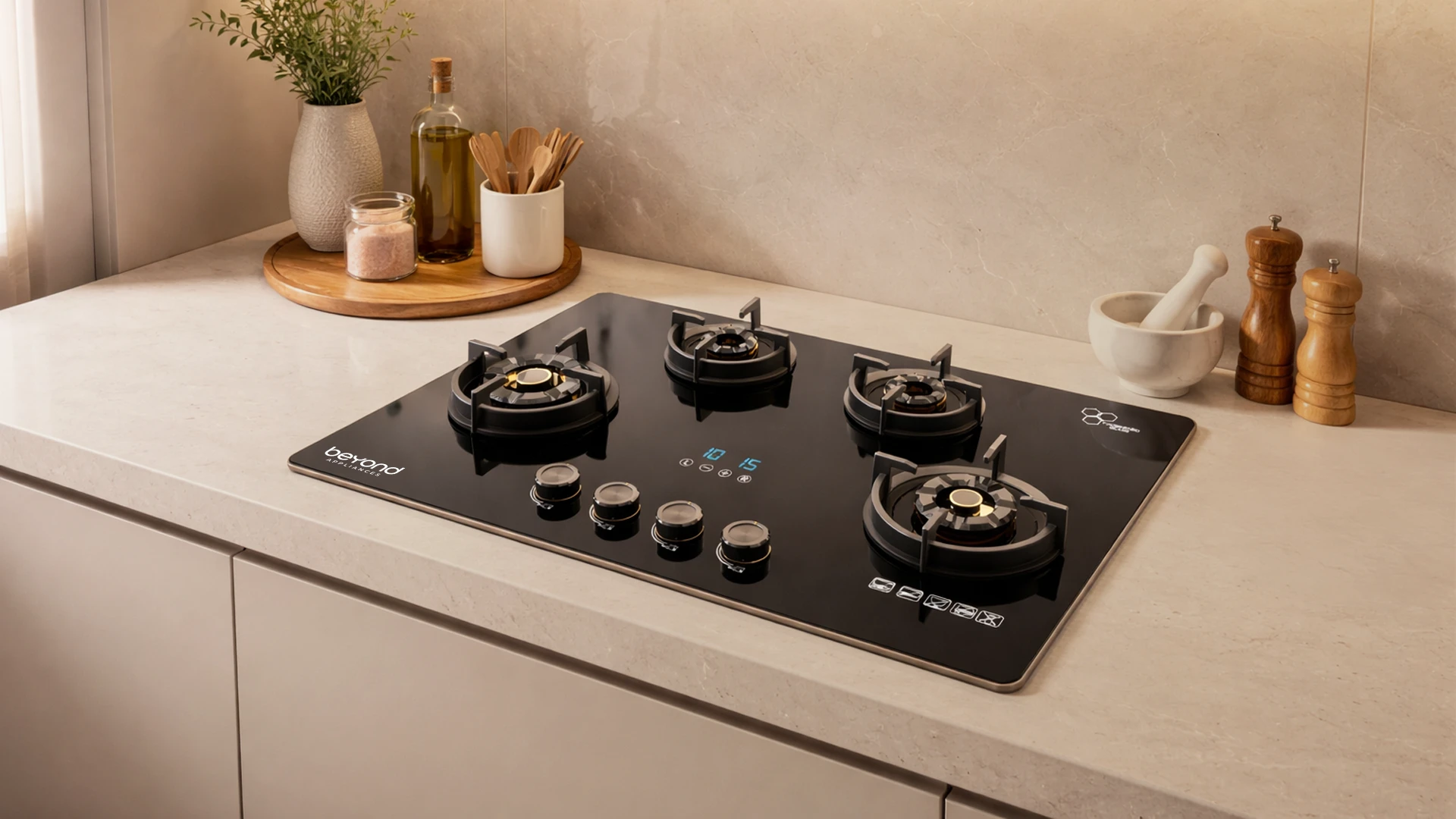
Choosing the right kitchen hobs for busy families can transform your daily cooking routine from chaotic to seamless. With multiple meals to prepare, varying schedules, and the constant need for quick, efficient cooking solutions, your hob becomes the heart of your kitchen operations. The perfect hob doesn't just cook food—it saves time, ensures safety, and makes meal preparation enjoyable even during the busiest days. Whether you're juggling breakfast for the kids while packing lunches or preparing dinner after a long workday, the right cooking surface can make all the difference in maintaining a smooth household routine.
The impact of choosing the right hob extends far beyond simple cooking convenience. For busy families, time is precious, and every minute saved in the kitchen translates to more quality time together. Efficient cooking solutions can reduce meal preparation time by up to 30%, allowing families to maintain nutritious home-cooked meals without sacrificing their schedules. Safety becomes paramount when children are present in the household. Modern hobs offer advanced safety features like child locks, automatic shut-off functions, and cool-touch surfaces that provide peace of mind during busy cooking sessions. These features ensure that even when you're multitasking between cooking and supervising homework, your kitchen remains a safe environment for the entire family. Energy efficiency translates directly into cost savings over time. A well-chosen hob can reduce cooking energy consumption by 20-40% compared to older models, resulting in significant savings on monthly utility bills. For families cooking multiple meals daily, these savings accumulate quickly, making the initial investment worthwhile within the first year of use.
Understanding the different types of hobs available helps families make informed decisions based on their specific cooking needs and lifestyle requirements. Each type offers unique advantages that cater to different family dynamics and cooking preferences.
Induction hobs represent the pinnacle of modern cooking technology, offering precise temperature control that responds instantly to adjustments. The electromagnetic heating technology ensures energy efficiency rates of up to 90%, compared to 40-50% for traditional gas hobs. This efficiency translates to faster cooking times and lower energy bills. Safety features make induction hobs ideal for families with young children. The cooking surface remains cool to touch, reducing burn risks, while built-in child locks prevent accidental activation. The flat, seamless surface eliminates crevices where food particles can accumulate, making cleanup effortless after busy meal preparations.
Gas hobs continue to be popular among families who prefer traditional cooking methods and visual flame control. The instant heat adjustment capability allows for precise cooking control, essential when preparing multiple dishes simultaneously. Gas operation costs typically remain lower than electricity in most regions, making them economical for families with high cooking frequency. The versatility of gas hobs accommodates all cookware types, from traditional cast iron to modern non-stick surfaces. This flexibility proves valuable for families with diverse cooking styles and existing cookware collections.
Electric hobs offer consistent, even heat distribution that works well for everyday family cooking needs. The straightforward operation requires minimal learning curve, making them suitable for all family members to use safely. Installation requirements are typically simpler than gas alternatives, often requiring only electrical connections. Modern electric hobs feature improved heating elements that reduce warm-up times significantly compared to older models. The consistent temperature control helps prevent overcooking, particularly beneficial for busy parents managing multiple cooking tasks simultaneously.
Hybrid configurations combining induction and gas burners offer maximum flexibility for diverse cooking needs. These units allow families to utilize gas for high-heat cooking like stir-frying while employing induction for precise temperature control during delicate preparations. The combination approach optimizes both cooking efficiency and energy usage based on specific cooking requirements.
Selecting the right features ensures your hob meets both current needs and future family growth. Understanding these essential elements helps prioritize features that provide maximum benefit for busy household routines.
Burner configuration directly impacts cooking efficiency and meal preparation flexibility. Two-burner units work well for small families or apartments with limited space, while three to four-burner configurations accommodate larger families and simultaneous cooking needs. Consider your typical cooking patterns—families frequently preparing multiple dishes simultaneously benefit from four-burner layouts with varied burner sizes. Space planning involves measuring available counter space and ensuring adequate clearance around the hob for safe operation. Standard built-in hobs require specific cutout dimensions, while portable options offer installation flexibility for rental properties or temporary arrangements.
Easy clean hobs feature smooth, flat surfaces that wipe clean with minimal effort. Induction and electric hobs typically offer superior cleaning convenience compared to gas models with raised burner grates. Spill-proof designs contain messes within designated areas, preventing food particles from reaching internal components. Daily maintenance requirements vary significantly between hob types. Induction surfaces require only simple wiping after use, while gas hobs need regular grate cleaning and burner maintenance. Consider your family's cleaning preferences and available time for kitchen maintenance when selecting hob types.
Quick cooking hobs reduce meal preparation time significantly, crucial for busy family schedules. Induction technology offers the fastest heating response, bringing water to boil 50% faster than conventional methods. Gas hobs provide instant heat adjustment, while modern electric elements heat more quickly than traditional coil designs. Power output ratings indicate heating capability—higher wattage burners heat faster but consume more energy. Balance power requirements with energy efficiency goals based on your family's cooking frequency and utility costs.
Child safety locks prevent accidental activation when curious hands explore kitchen surfaces. Automatic shut-off functions provide protection against overheating or forgotten cooking sessions. Heat indicators show when surfaces remain hot after cooking, preventing accidental burns during cleanup. Flame failure devices on gas hobs automatically shut off gas supply if flames extinguish unexpectedly, preventing gas accumulation. These safety features become essential when children are present or during busy cooking sessions with multiple distractions.
A systematic approach to hob selection ensures you choose the best option for your family's specific needs and circumstances. This structured process helps evaluate all relevant factors before making your final decision.
Evaluate your family's cooking frequency, preferred cuisines, and typical meal preparation patterns. Families cooking three meals daily require different capabilities than those primarily preparing dinner. Consider special cooking requirements like high-heat stir-frying, slow simmering, or baking coordination. Kitchen space constraints influence hob size and configuration options. Measure available installation space carefully, including clearance requirements for safe operation and ventilation needs.
Initial purchase prices vary significantly between hob types and feature levels. Basic electric models start around INR 3,000, while premium induction units can exceed INR 25,000. Gas hobs typically fall in the INR 5,000 to INR 15,000 range, depending on burner configuration and build quality. Installation costs add to total investment—gas connections require professional installation and safety inspections, while electric models often allow DIY installation. Factor in long-term operating costs based on local utility rates and your family's cooking frequency.
Hob installation requirements vary by type and kitchen configuration. Built-in models require precise cutout dimensions and adequate ventilation, while portable units offer flexibility for changing needs. Gas installations need proper ventilation and safety compliance with local building codes. Professional installation ensures safety compliance and warranty protection. Many manufacturers require professional installation to maintain warranty coverage, making this investment worthwhile for long-term protection.
Matching hob capacity to family size ensures adequate cooking capability without unnecessary complexity or cost. Understanding optimal configurations helps families select appropriate burner numbers and layouts.
Two to three-burner configurations provide sufficient cooking capacity for small families while maintaining compact kitchen footprints. These units typically feature one large burner for primary cooking and smaller burners for side dishes or warming. Compact designs work well in apartments or smaller kitchens where space optimization is crucial. Portable options offer flexibility for rental properties or temporary living situations. These units can relocate easily and don't require permanent installation modifications.
Three to four-burner layouts accommodate medium family cooking needs effectively. The additional burner capacity allows simultaneous preparation of main dishes, side items, and beverages. Varied burner sizes provide flexibility for different cooking requirements—large burners for boiling pasta water and smaller ones for sauce preparation. Built-in four-burner models offer the best balance of capacity and kitchen integration for most medium families. These units provide professional cooking capability while maintaining reasonable space requirements.
Four to five-burner configurations become essential for large families requiring high cooking capacity. Multiple large burners allow simultaneous preparation of several main dishes, crucial during busy meal times. Heavy-duty construction ensures reliable performance under frequent, intensive use. Commercial-grade features like high-output burners and robust construction materials provide durability for demanding family cooking requirements. These units often include specialized burners for different cooking techniques.
Modern hob technology integrates seamlessly with smart kitchen ecosystems, offering convenience features that enhance busy family cooking routines. These advanced capabilities provide long-term value and adapt to evolving family needs.
Smart hobs offer app-based control allowing remote monitoring and adjustment of cooking settings. Timer functions send notifications when cooking phases complete, helpful when managing multiple household tasks simultaneously. Energy usage tracking helps families monitor consumption patterns and optimize cooking efficiency. Programmable cooking profiles store preferred settings for frequently prepared dishes, ensuring consistent results and reducing preparation time. These features prove particularly valuable for busy parents managing complex meal schedules.
Coordinated operation with range hoods ensures optimal ventilation during cooking sessions. Automatic fan activation based on hob usage eliminates manual adjustments and maintains air quality. Integration with other smart appliances creates seamless cooking workflows that adapt to family routines. Voice control compatibility allows hands-free operation during busy cooking sessions. This feature proves especially useful when hands are occupied with food preparation or when supervising children simultaneously.
Induction hobs typically offer the best combination of speed, safety, and efficiency for busy families. They heat 50% faster than gas, remain cool to touch for child safety, and clean easily after use. However, gas hobs work well for families preferring traditional cooking methods and lower operating costs.
Induction hobs provide the easiest cleaning experience with flat, smooth surfaces that wipe clean effortlessly. Spills don't burn onto the cool surface, and the seamless design eliminates crevices where food particles accumulate. Electric hobs with flat surfaces also clean easily, while gas hobs require more maintenance due to removable grates and burner components.
Induction hobs offer superior safety features including cool-touch surfaces, child safety locks, and automatic shut-off functions. The cooking surface remains safe to touch even during use, significantly reducing burn risks. Gas hobs require more caution due to open flames, though modern models include flame failure devices and child-resistant controls.
Consider your cooking style, energy costs, and safety priorities. Induction offers faster cooking, better energy efficiency, and superior safety features, making it ideal for busy families with young children. Gas provides traditional cooking control, lower operating costs, and works with all cookware types, suiting families with established cooking preferences and existing cookware collections.
Selecting the perfect hob for your busy family requires balancing cooking needs, safety requirements, and budget considerations. Induction hobs excel in speed, safety, and efficiency, making them ideal for modern families prioritizing convenience and child safety. Gas hobs continue serving families preferring traditional cooking methods and lower operating costs, while electric options provide reliable, consistent performance for everyday cooking needs. Consider your family size, cooking frequency, and kitchen space when determining optimal burner configuration. Essential features like easy cleaning surfaces, quick heating capability, and comprehensive safety systems enhance daily cooking experiences significantly. Smart features and connected technology provide future-proofing benefits that adapt to evolving family needs and cooking preferences. Investment in quality hob technology pays dividends through improved cooking efficiency, enhanced safety, and long-term reliability. Take time to evaluate your specific requirements and choose features that support your family's unique cooking style and lifestyle demands.
