
How to Choose the Most Efficient Cooktop Stove
Cart
Your cart is empty
Choosing the right cooktop for your kitchen involves more than just picking the first model you see. With rising energy costs and growing environmental awareness, finding an efficient cooktop stove has become a priority for modern homeowners. The right cooktop can significantly reduce your energy bills while delivering superior cooking performance. Whether you're renovating your kitchen or replacing an old appliance, understanding cooktop efficiency will help you make an informed decision that benefits both your wallet and the environment.
Cooktop efficiency refers to how effectively a stove converts energy into usable heat for cooking. This measurement is expressed as a percentage, indicating how much of the input energy actually reaches your food. Traditional cooking methods often waste significant amounts of energy through heat loss to the surrounding air. The key efficiency metrics include heat transfer percentage, cooking speed, and overall energy consumption. An energy efficient cooktop maximizes heat transfer while minimizing waste. For example, while gas cooktops typically achieve 40-55% efficiency, modern induction models can reach 85-90% efficiency rates. Environmental benefits extend beyond reduced energy bills. Efficient cooktops lower your carbon footprint by consuming less electricity or gas. Over time, these savings compound significantly. A household switching from an electric coil cooktop to an induction model can reduce cooking-related energy consumption by up to 50%.
Induction technology represents the pinnacle of cooking efficiency. Unlike traditional heating methods, induction cooktop models use electromagnetic fields to heat cookware directly. This revolutionary approach eliminates the energy waste associated with heating intermediate surfaces. The electromagnetic heating process works by creating a magnetic field that induces electrical currents in ferromagnetic cookware. These currents generate heat directly within the pan, making the cooking process incredibly efficient. The cooktop surface itself remains relatively cool, reducing ambient heat loss.
Induction cooktops achieve 85-90% energy efficiency rates, making them the clear winner among all cooktop types. This superior performance stems from direct heat transfer to cookware, eliminating the energy losses that plague other cooking methods. Precise temperature control allows for exact heat management, reducing cooking times and energy waste. Many users report 25-50% faster cooking times compared to traditional electric or gas cooktop options.
Power settings and wattage options vary significantly across models. Entry-level units typically offer 1200W, while high-performance models provide 2000W or more. Higher wattage translates to faster heating and better performance with larger cookware. Smart cooktop capabilities include preset cooking modes, automatic temperature adjustment, and smartphone connectivity. These features optimize energy usage while simplifying the cooking process.
Traditional cooking methods each offer distinct advantages and limitations. Understanding these differences helps you choose the most suitable option for your specific needs and kitchen setup. Gas and electric cooktops have dominated kitchens for decades, but their efficiency levels vary considerably. While neither matches induction performance, both have evolved to offer improved energy management and cooking control.
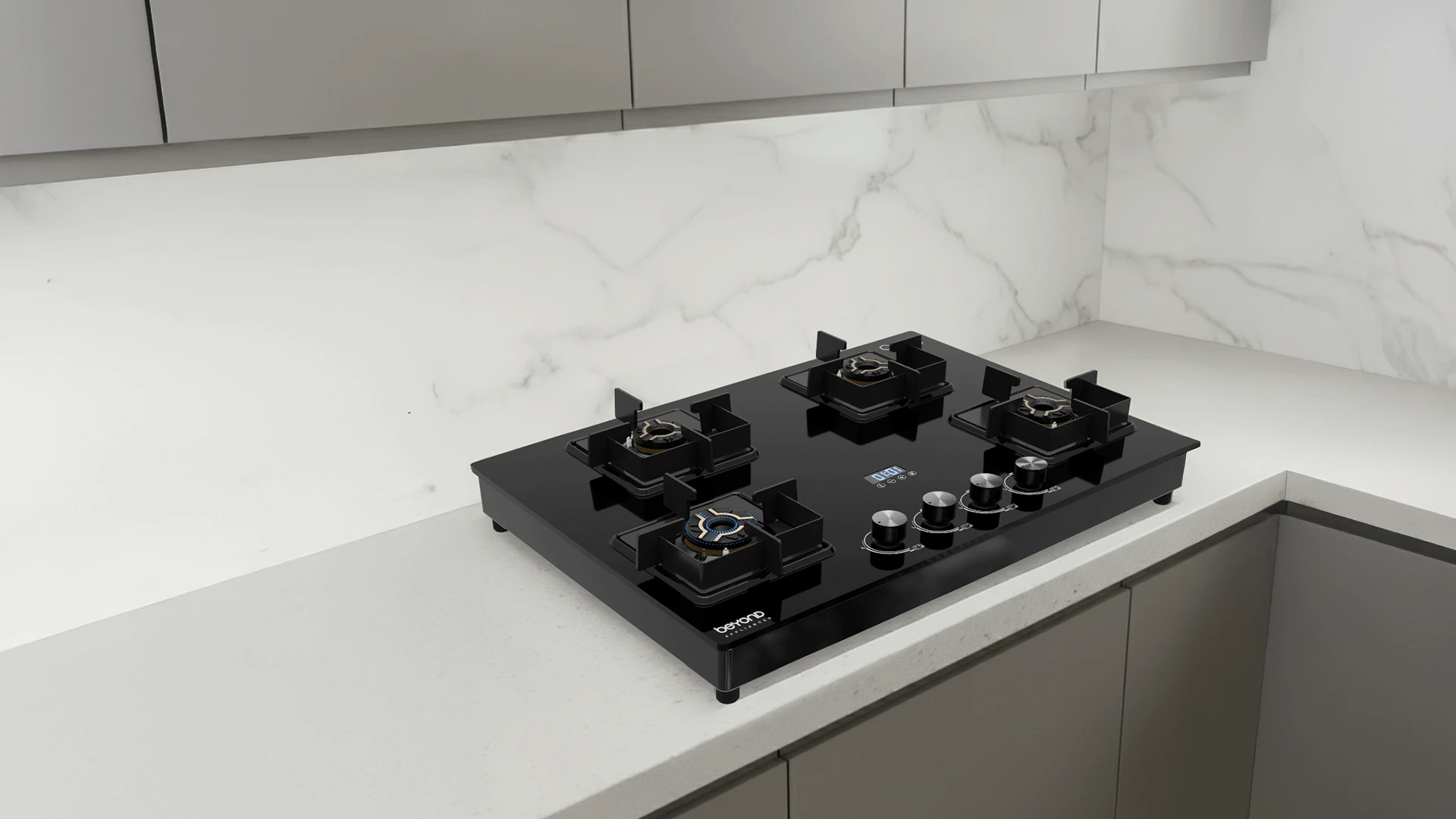
Gas cooktops typically achieve 40-55% efficiency, with much energy lost through heat dissipation around cookware. However, they offer instant heat control and immediate temperature adjustments that many professional cooks prefer. BTU ratings indicate heating power, with higher ratings providing faster cooking but potentially higher energy consumption. Proper burner maintenance and using appropriately sized cookware can maximize efficiency.
Electric cooktop models, including radiant and ceramic varieties, achieve 65-70% efficiency. They provide consistent heating and excellent temperature distribution across the cooking surface. Energy consumption patterns show steady power draw during operation, making them predictable for energy budgeting. However, they typically require longer heating and cooling times compared to gas or induction alternatives.
Portable cooktop models offer flexibility without sacrificing efficiency. These compact units are perfect for small kitchens, temporary cooking spaces, or supplementing existing cooking capacity during large meal preparation. Single burner models typically consume 1200-1800W, while double burner units may require 2400W or more. Despite their smaller size, many portable induction models achieve the same 85-90% efficiency as full-sized counterparts. Space-saving benefits make portable cooktops ideal for apartments, RVs, or outdoor cooking. Many models include safety features like auto shut-off and overheat protection, ensuring safe operation in various environments.
Selecting the perfect cooktop requires careful consideration of your cooking habits, kitchen constraints, and long-term goals. The most efficient option for one household may not suit another's specific requirements. Budget considerations should include both initial purchase price and long-term operating costs. While induction cooktops typically cost more upfront, their superior efficiency often results in lower total ownership costs over time.
Family size and cooking frequency directly impact your cooktop requirements. Large families or frequent entertainers benefit from higher-wattage models with multiple cooking zones, while smaller households may find compact, efficient units more suitable. Kitchen ventilation and electrical requirements vary by cooktop type. Induction models require adequate electrical capacity, while gas cooktops need proper ventilation for safety and comfort.
Energy star ratings and efficiency certifications provide reliable performance indicators. Look for models with documented efficiency percentages and third-party testing verification. Safety features and user-friendly controls enhance both efficiency and convenience. Automatic shut-off, child locks, and precise temperature controls contribute to optimal energy usage while ensuring safe operation.
Market analysis reveals significant performance variations across different price points and feature sets. Understanding these differences helps identify the best cooktop options for specific needs and budgets. Premium models often include advanced features like multiple power levels, smart connectivity, and professional-grade construction. However, budget-friendly options can still deliver excellent efficiency and reliable performance.
High-performance models with 2000W+ power output offer restaurant-quality cooking capabilities. These units typically feature multiple cooking zones, precise temperature control, and advanced safety systems. Professional-grade efficiency ratings ensure maximum energy transfer and minimal waste. Many premium models include smart features like app connectivity and preset cooking programs.
Affordable induction models under INR 5,000 provide excellent efficiency without premium features. These units typically offer 1200-1600W power output and basic safety features. Value-for-money gas and electric alternatives remain viable options for budget-conscious consumers. While less efficient than induction, modern gas and electric models offer improved performance over older designs.
Induction cooktops are the most energy efficient, achieving 85-90% efficiency by heating cookware directly through electromagnetic energy, minimizing heat loss to the surrounding environment.
Induction cooktops represent the most efficient stove top technology, using electromagnetic energy to heat ferromagnetic cookware internally, making the heating process much more efficient than gas or electric alternatives.
1600W induction cooktops offer faster heating and better performance for larger cookware, while 1200W models are more energy-efficient for basic cooking needs and smaller households with lighter cooking demands.
Look for 5-star rated induction cooktops with multiple power settings, auto shut-off features, and precise temperature control to minimize electricity consumption while maintaining excellent cooking efficiency.
Switching to an induction cooktop can reduce cooking energy costs by 25-50% compared to electric coil cooktops and provide more precise cooking control than gas alternatives.
Induction cooktops require ferromagnetic cookware like cast iron or stainless steel, while gas and electric cooktops work with most cookware types. Quality, flat-bottomed pans maximize efficiency across all cooktop types.
Choosing an efficient cooktop stove significantly impacts both your energy bills and cooking experience. Induction technology leads in efficiency, achieving 85-90% energy transfer rates while offering precise temperature control and faster cooking times. While gas and electric cooktops remain viable options, they cannot match induction's superior efficiency and performance characteristics. Consider your cooking habits, kitchen setup, and budget when selecting a cooktop. Premium features like smart connectivity and multiple power levels enhance convenience but may not be necessary for all users. Focus on efficiency ratings, safety features, and long-term operating costs to make the best decision for your specific needs.
