

How to Choose the Best Hobtop for Deep Frying
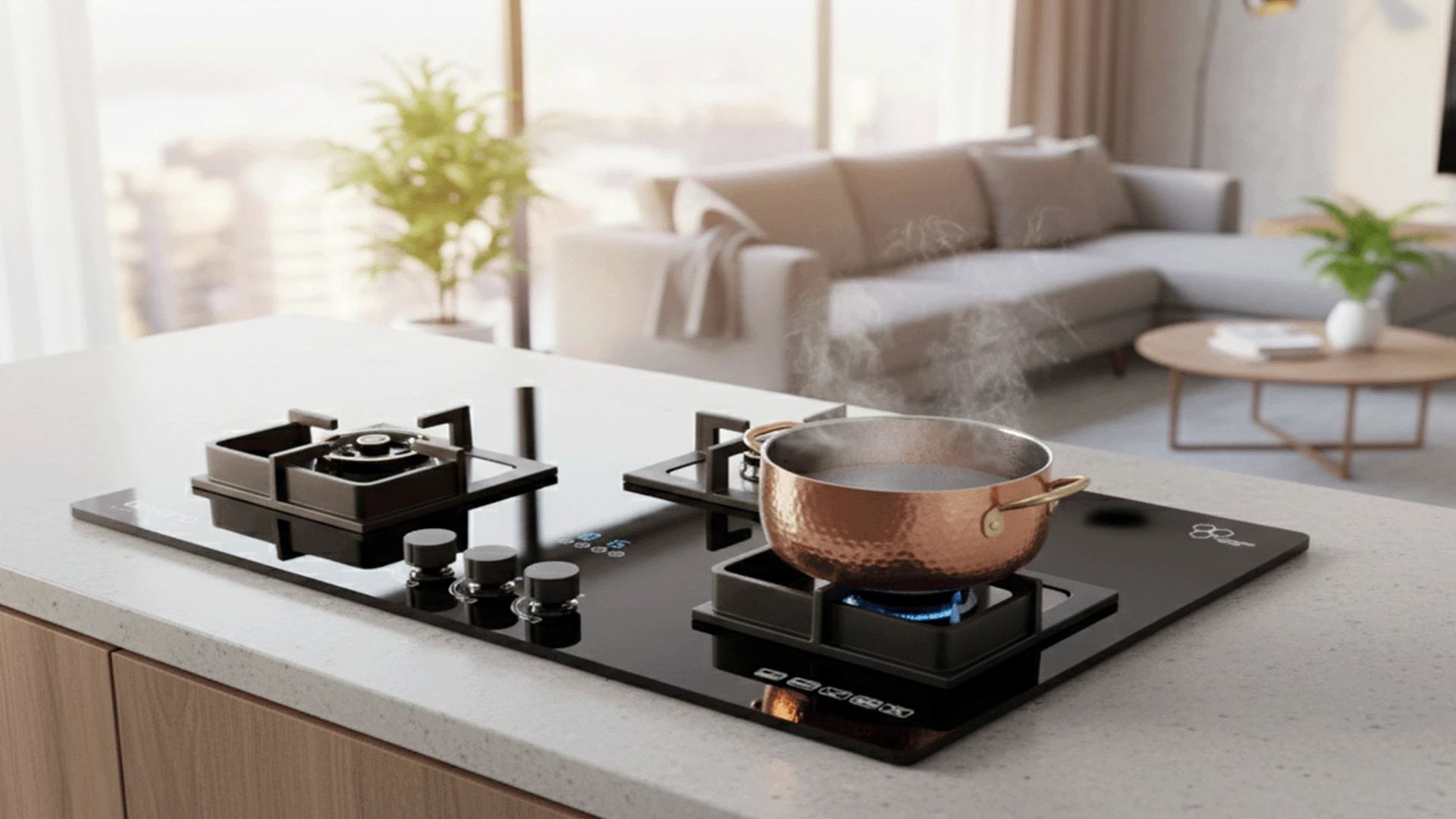
Deep frying creates some of the most beloved dishes in Indian cuisine, from crispy pakoras to golden samosas. However, achieving perfect results requires more than just good oil and fresh ingredients. The best hobtop for frequent deep frying serves as the foundation for consistent, safe, and efficient cooking. Your choice of hob directly impacts oil temperature control, energy consumption, and overall safety in the kitchen. Whether you're a home cook who loves weekend frying sessions or someone who deep fries regularly, understanding the differences between gas, electric, and induction hobs will help you make an informed decision that suits your cooking style and budget.
Selecting the right hobtop for deep frying goes beyond basic cooking needs. Deep frying demands precise temperature control, typically maintaining oil between 160°C to 190°C for optimal results. The wrong hob can lead to uneven heating, oil temperature fluctuations, and potentially dangerous situations. Temperature stability stands as the most critical factor when choosing a deep frying hob. Oil that's too cool results in greasy, soggy food that absorbs excess oil. Conversely, overheated oil can burn food exteriors while leaving interiors undercooked. Professional kitchens prioritize hobs that respond quickly to temperature adjustments and maintain consistent heat output. Safety considerations become paramount when dealing with hot oil and high temperatures. The best hob for frying includes features like automatic shut-off mechanisms, overheat protection, and stable burner designs that prevent accidental spills. Energy efficiency also plays a significant role, especially for frequent deep frying, as it directly impacts your electricity or gas bills.
Uniform heat distribution prevents hot spots that can cause uneven cooking or oil degradation. Quality hobs distribute heat evenly across the pan bottom, ensuring consistent oil temperature throughout the cooking vessel. This feature becomes especially important when frying larger batches or using wide, shallow pans.
Quick response to temperature adjustments allows better control during the frying process. When oil temperature rises too quickly, you need immediate heat reduction to prevent burning. Similarly, when adding cold ingredients that lower oil temperature, rapid heat increase helps maintain optimal frying conditions.
Gas hob deep frying remains popular among professional chefs and home cooks who value immediate heat control and visual feedback. Gas burners provide instant flame adjustment, allowing precise temperature management during the frying process. The visible flame serves as an immediate indicator of heat level, making it easier to gauge and adjust cooking intensity. Gas hobs excel in high-heat applications, reaching maximum temperature quickly and maintaining consistent output. This characteristic makes them ideal for deep frying, where rapid heating and precise control matter most. The cost-effectiveness of gas fuel also makes frequent deep frying more economical compared to electric alternatives.
Instant heat control represents the primary advantage of gas hobs. Turn the knob, and flame intensity changes immediately, providing real-time temperature adjustment. This responsiveness proves invaluable when managing oil temperature during different frying stages. Visual flame indicators help gauge heat levels without relying solely on thermometers. Experienced cooks often judge temperature by flame color and intensity, making gas hobs intuitive to use. The open flame design also allows for easy pan movement and tilting during cooking.
Open flames require additional safety precautions, especially when working with hot oil. Proper ventilation becomes essential to remove combustion gases and cooking vapors. Modern gas hobs include flame failure safety devices that automatically shut off gas supply if flames extinguish unexpectedly. Regular maintenance ensures safe operation, including cleaning burner ports and checking gas connections. Keep flammable materials away from the cooking area, and ensure adequate clearance above burners for safe operation.
Electric hob deep frying offers consistent heat distribution and advanced safety features that appeal to safety-conscious cooks. Electric elements provide steady, even heating that maintains oil temperature more consistently than gas flames. This stability reduces the risk of temperature spikes that can degrade oil quality or cause safety hazards. Modern electric hobs include digital temperature controls, timer functions, and automatic shut-off features that enhance both convenience and safety. The flat cooking surface makes cleaning easier and provides stable support for heavy pots filled with oil.
Electric elements maintain consistent temperature output once heated, reducing oil temperature fluctuations during cooking. This stability proves particularly beneficial for delicate frying tasks that require precise temperature control. The thermal mass of electric elements also provides more forgiving temperature management for novice cooks.
Advanced electric hobs include overheat protection systems that automatically reduce power or shut off when temperatures exceed safe limits. Residual heat indicators warn users when cooking surfaces remain hot after use, preventing accidental burns. Some models feature spillage sensors that detect liquid spills and automatically shut off power to prevent electrical hazards.
Induction hob deep fry technology represents the most advanced option for temperature-controlled cooking. Induction hobs use electromagnetic fields to heat compatible cookware directly, providing precise temperature control and rapid response times. This technology offers the best of both worlds: gas-like responsiveness with electric-like consistency. Induction hobs excel in energy efficiency, converting up to 90% of electrical energy into heat compared to 40-50% for conventional electric hobs. The cool-to-touch surface reduces burn risks, while precise temperature control prevents oil overheating and degradation.
Induction technology allows temperature adjustments in small increments, providing unprecedented control over oil temperature. Digital displays show exact temperature settings, eliminating guesswork in temperature management. Some advanced models include preset frying programs that automatically maintain optimal temperatures for different foods.
Smart hob deep frying capabilities include temperature monitoring, automatic power adjustment, and energy consumption tracking. These features help optimize cooking performance while minimizing energy costs. Induction hobs also heat up faster than conventional electric elements, reducing preheating time and energy waste.
Choosing a safe hob for deep frying requires careful consideration of built-in safety mechanisms and proper installation requirements. Modern hobs incorporate multiple safety layers designed to prevent accidents and protect users from common deep frying hazards. Automatic shut-off systems represent the most critical safety feature, cutting power when temperatures exceed safe limits or when cooking times extend beyond preset durations. Overheat protection prevents oil from reaching dangerous temperatures that could cause fires or toxic fume production.
Advanced temperature monitoring systems continuously track cooking surface temperatures and adjust power output to maintain safe operating conditions. Some models include oil temperature sensors that provide real-time feedback about oil conditions, alerting users to optimal frying temperatures.
Stable burner designs prevent accidental pan movement that could cause oil spills. Non-slip surfaces and secure pan positioning systems reduce the risk of cookware shifting during use. Child safety locks prevent accidental activation, while cool-to-touch surfaces minimize burn risks for induction models.
When selecting the best hobtop for frequent deep frying, specific technical specifications determine performance and suitability for your cooking needs. Power output, burner configuration, and advanced features all contribute to effective deep frying capabilities. Power requirements vary by hob type, with gas burners measured in BTUs and electric elements rated in watts. For effective deep frying, look for burners that provide at least 12,000 BTUs for gas or 2,500 watts for electric elements. Higher power ratings enable faster heating and better temperature recovery when adding cold ingredients.
Multiple burner configurations allow simultaneous cooking of different dishes or batch frying of large quantities. High-power burners dedicated to intensive cooking tasks provide optimal performance for deep frying applications. Consider burner spacing to accommodate large frying pans or multiple smaller vessels.
Digital temperature displays eliminate guesswork in temperature management, while programmable timer functions prevent overcooking. Memory settings store preferred temperature and time combinations for consistent results across cooking sessions. Some models include smartphone connectivity for remote monitoring and control.
Induction hobs offer the best combination of precise temperature control, energy efficiency, and safety features for frequent deep frying. However, gas hobs remain popular for their instant heat adjustment and lower operating costs.
Yes, induction hobs are excellent for deep frying due to their precise temperature control and cool-to-touch surfaces. Ensure you use compatible magnetic cookware designed for induction cooking.
Look for at least 12,000 BTUs for gas burners or 2,500 watts for electric elements. Higher power ratings provide faster heating and better temperature recovery during cooking.
Prioritize automatic shut-off, overheat protection, temperature monitoring, and stable burner design. For induction hobs, look for pan detection and child safety locks.
Use a thermometer to monitor oil temperature, avoid overcrowding the pan, and choose a hob with responsive temperature controls. Induction hobs provide the most consistent temperature maintenance.
Both have advantages: gas provides instant heat control and lower operating costs, while electric offers consistent temperature and advanced safety features. Choose based on your priorities and kitchen setup.
Selecting the right hob for deep frying involves balancing performance, safety, and efficiency considerations. Induction hobs offer superior temperature control and energy efficiency, making them ideal for frequent deep frying. Gas hobs provide immediate heat adjustment and cost-effective operation, while electric hobs deliver consistent performance with advanced safety features. Consider your cooking frequency, budget, and safety priorities when making your decision. Remember that proper technique and safety practices remain essential regardless of your hob choice.
