

How to Choose the Best Hob for Your Kitchen
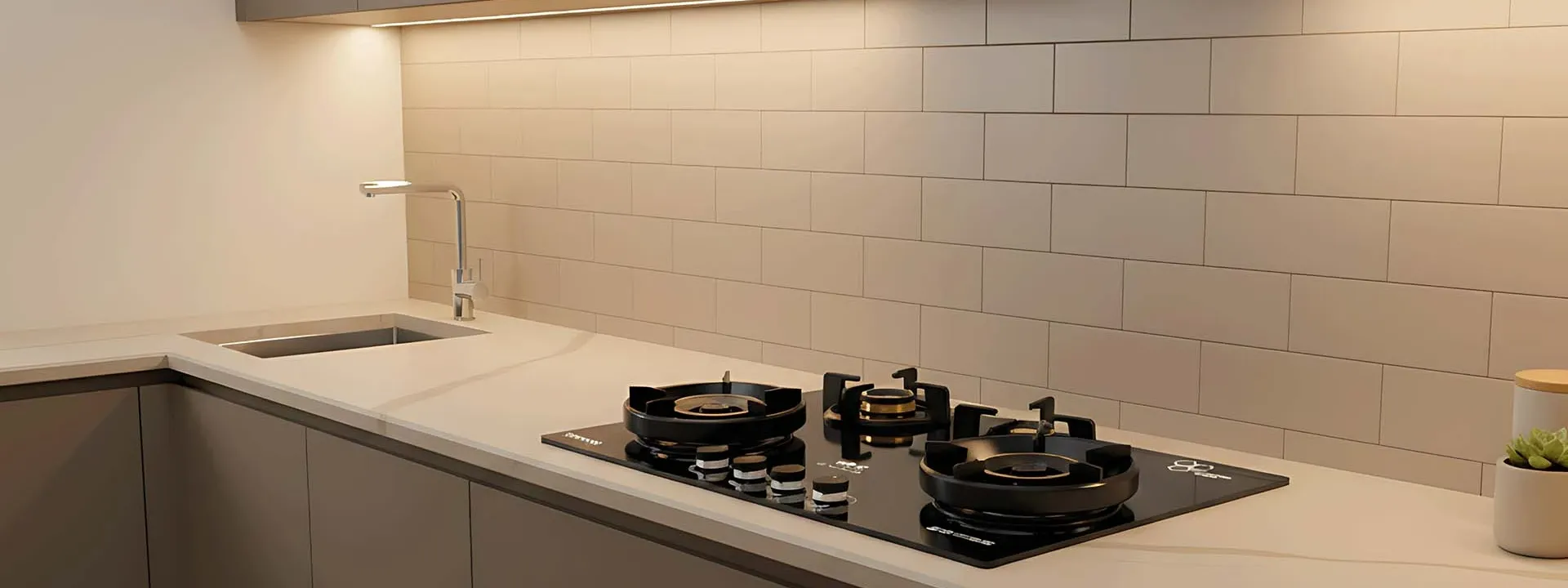
Choosing the right hob for your kitchen is one of the most important decisions you'll make during your kitchen setup or renovation. The best hob types for home cooking vary based on your cooking style, family size, and energy preferences. With multiple options available including induction, gas, electric, and ceramic hobs, understanding each type's benefits and limitations helps you make an informed choice. Modern kitchens demand appliances that combine efficiency, safety, and convenience while fitting seamlessly into your cooking routine.
Each hob type offers unique advantages that cater to different cooking needs and preferences. The technology behind these appliances has evolved significantly, making them more efficient and user-friendly than ever before.
Induction hobs represent the pinnacle of cooking technology, using electromagnetic fields to heat cookware directly. This innovative approach delivers 90% energy efficiency, making them the most economical option for long-term use. The precise temperature control allows you to adjust heat instantly, giving you restaurant-quality cooking control at home. Safety features make induction hobs particularly appealing for families with children. The cooking surface remains cool to touch, reducing burn risks significantly. Auto shut-off functions and child lock mechanisms provide additional peace of mind.
Gas hobs remain the preferred choice for many Indian households due to their instant heat control and visual flame feedback. Professional chefs often favor gas cooking because it allows immediate temperature adjustments and works with all cookware types. The 40-50% energy efficiency, while lower than induction, is offset by the typically lower cost of LPG. Proper ventilation becomes crucial with gas hobs to ensure safety and air quality. Modern gas hobs include flame failure devices that automatically cut gas supply if flames are extinguished accidentally.
Electric hobs offer straightforward operation with solid plate or coil heating elements. They provide 70-80% energy efficiency and consistent heat distribution across the cooking surface. These hobs are budget-friendly for installation and maintenance, making them ideal for rental properties or first-time homeowners. The smooth operation and easy cleaning make electric hobs particularly suitable for users who prefer low-maintenance appliances.
Ceramic hobs feature smooth glass-ceramic surfaces that blend seamlessly with modern kitchen designs. The radiant heating technology provides even heat distribution while maintaining an elegant appearance. Touch control features and sleek aesthetics make them popular in contemporary homes. Heat retention characteristics mean the surface stays warm after cooking, which can be useful for keeping food warm but requires careful handling.
Selecting the right hob involves evaluating multiple factors beyond just the heating method. Safety, efficiency, and functionality should guide your decision-making process.
Modern hobs incorporate advanced safety features that protect your family during daily cooking. Induction hobs lead in safety with cool surfaces that eliminate burn risks. Child lock mechanisms prevent accidental operation, while residual heat indicators warn when surfaces remain hot. Auto shut-off timers provide additional protection by turning off the hob after preset periods of inactivity. These features are particularly valuable in busy households where distractions are common.
Energy efficient hobs significantly impact your monthly electricity or gas bills. Induction technology offers the highest efficiency at 90%, followed by electric hobs at 70-80%, and gas hobs at 40-50%. While initial costs may vary, long-term savings from efficient operation often justify higher upfront investments. Smart cooking technology integration allows some hobs to optimize energy consumption automatically, further reducing operating costs while maintaining cooking performance.
Hob size should match your cooking needs and available counter space. Two-burner hobs work well for small kitchens or bachelor apartments, while families typically benefit from three or four-burner configurations. Specialized wok burners accommodate high-heat Asian cooking styles popular in Indian kitchens. Space optimization becomes crucial in compact kitchens where every inch counts. Consider your typical cooking patterns when selecting burner arrangements.
Indian cooking presents unique requirements that influence hob selection. Traditional cooking methods, heavy cookware, and multiple dish preparation need specific considerations.
Indian cuisine demands high-heat cooking for techniques like tadka (tempering) and pressure cooking. Gas hobs excel in these applications, providing instant high heat and visual flame control. Heavy cookware including pressure cookers and large kadais require sturdy burner support that gas hobs typically provide. Spice tempering requires precise heat control for optimal flavor development. The ability to see and adjust flames makes gas hobs particularly suitable for these delicate operations.
Induction hobs are gaining popularity in Indian kitchens due to their efficiency and safety features. However, cookware compatibility requires investment in induction-suitable vessels. Gas hobs remain widely preferred for their versatility and familiarity among Indian cooks. Price ranges vary significantly, with basic gas hobs starting around INR 3,000 and premium induction models reaching INR 25,000 or more. After-sales service availability becomes crucial given the daily usage intensity in Indian households.
Technology integration transforms modern hobs into intelligent cooking assistants. These features enhance convenience while maintaining cooking quality.
Smart cooking hobs offer touch control interfaces that replace traditional knobs with sleek, easy-to-clean surfaces. Timer and programmable settings allow precise cooking control, while temperature sensors ensure consistent results. Some models include Wi-Fi connectivity for remote monitoring and control through smartphone apps. Voice control compatibility with smart home systems adds convenience for hands-free operation during busy cooking sessions.
Boost functions provide rapid heating when you need quick temperature increases. Simmer settings maintain low, consistent heat for delicate sauces and slow cooking. Bridge zones allow large cookware to span multiple burners, while flexible cooking zones adapt to different pot sizes automatically. Memory settings store your favorite cooking programs, making repeated dishes more convenient and consistent.
Proper installation ensures safe operation and optimal performance throughout your hob's lifespan. Maintenance requirements vary by hob type but generally involve simple daily care.
Electrical hobs require adequate power supply and proper wiring, typically needing 15-20 amp circuits for full-size units. Gas hobs need professional gas line connections and safety inspections to meet local regulations. Ventilation requirements vary, with gas hobs needing more robust exhaust systems. Countertop cutout specifications must match exactly to ensure proper fit and safety. Professional installation is recommended for gas connections and electrical work to ensure compliance with safety standards.
Daily cleaning prevents buildup and maintains appearance across all hob types. Ceramic and induction surfaces clean easily with specialized glass cleaners, while gas hobs require attention to burner components and drip trays. Deep cleaning techniques vary by surface type but generally involve removing burner parts for thorough washing. Preventing scratches on smooth surfaces requires appropriate cleaning tools and techniques.
A systematic approach to hob selection ensures you choose the best option for your specific needs and circumstances. Consider both immediate requirements and long-term implications.
Initial purchase costs range from INR 3,000 for basic gas hobs to INR 30,000 for premium induction models. Installation expenses add INR 1,000-5,000 depending on complexity and local rates. Long-term operating costs favor efficient models despite higher upfront investments. Maintenance and repair costs vary by technology, with simpler designs generally requiring less expensive service. Resale value considerations favor popular, well-maintained units from reputable brands.
Beginner cooks often benefit from electric or induction hobs due to their safety features and consistent performance. Professional cooking enthusiasts typically prefer gas for its responsiveness and control. Family size influences burner quantity needs, while kitchen design affects aesthetic preferences. Future-proofing considerations include energy efficiency trends and smart home integration capabilities that may become standard features.
Induction hobs offer the best combination of efficiency, safety, and control for most home cooking needs. However, gas hobs remain excellent for traditional cooking styles and immediate heat control.
Gas hobs work exceptionally well for Indian cooking due to high-heat requirements and compatibility with traditional cookware. Induction hobs are increasingly popular for their efficiency and safety features.
Induction hobs provide the highest safety level with cool surfaces, automatic shut-off features, and precise temperature control that reduces cooking accidents.
Induction hobs surpass electric hobs in energy efficiency, speed, and safety. They heat faster, use less energy, and offer better temperature control than traditional electric hobs.
Induction hobs cost approximately 30-50% less to operate than electric hobs and 60-70% less than gas hobs, depending on local energy prices.
Induction hobs require magnetic cookware made from materials like cast iron or magnetic stainless steel. Aluminum, copper, and non-magnetic stainless steel won't work without special induction discs.
Selecting the best hob for your kitchen depends on balancing your cooking style, safety priorities, energy efficiency goals, and budget constraints. Induction hobs lead in efficiency and safety, while gas hobs excel in traditional cooking applications. Electric and ceramic options provide reliable, budget-friendly alternatives for specific needs. Consider your long-term cooking patterns, family safety requirements, and energy costs when making this important kitchen investment. The right choice will serve your household efficiently for many years while enhancing your daily cooking experience.
