

How to Choose the Best High Efficiency Cooktop Burners for Your Kitchen
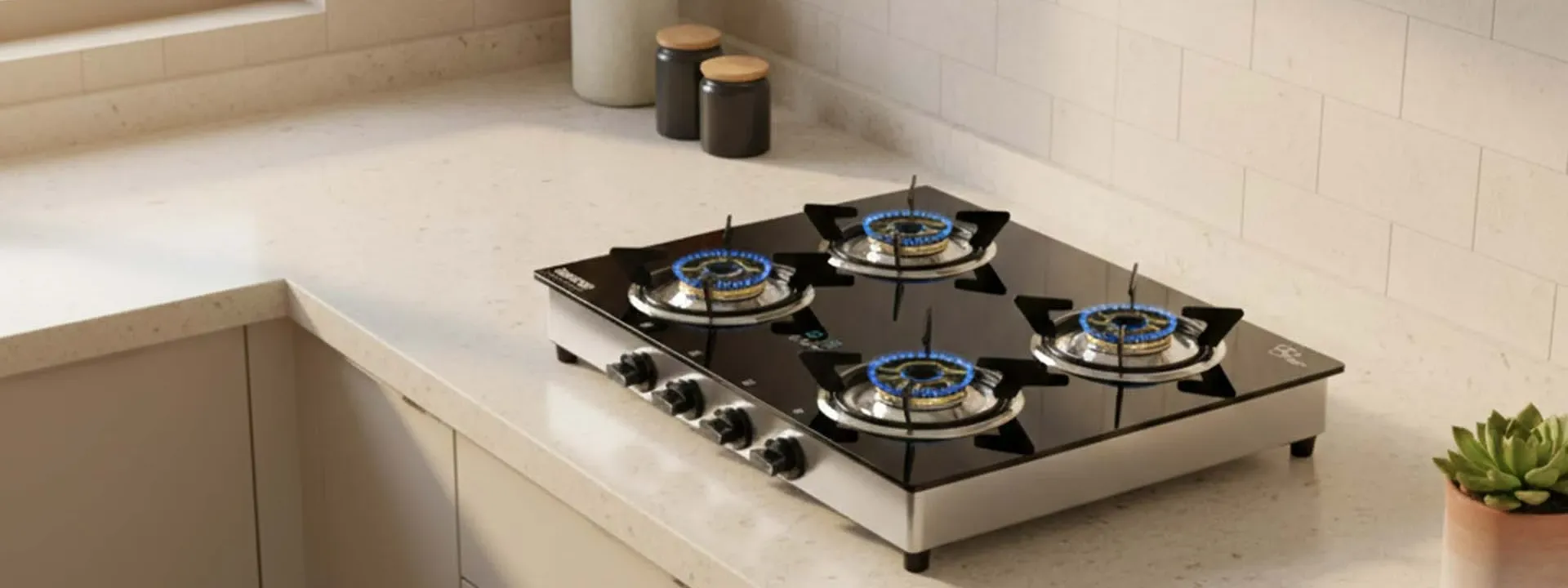
Choosing the right cooktop burners can transform your cooking experience while significantly reducing energy costs. Modern kitchens demand appliances that combine efficiency with performance, making best high efficiency cooktop burners a crucial investment for every household. With rising energy prices and growing environmental consciousness, selecting an efficient cooktop has become more important than ever. Whether you're renovating your kitchen or upgrading from an older model, understanding the different types of high efficiency burners will help you make an informed decision that suits your cooking style and budget.
The efficiency of cooktop burners varies dramatically based on their heating technology and design. Understanding these differences helps you choose the most suitable option for your kitchen needs and energy goals.
Induction cooktop efficiency leads the market with an impressive 85-90% energy conversion rate. This technology uses electromagnetic fields to heat cookware directly, eliminating heat loss to the surrounding air. The precise temperature control and instant response make induction cooktops ideal for both delicate cooking and high-heat searing.
Direct heat transfer reduces cooking time by 25-50%
Precise temperature control prevents overcooking
Cool cooking surface improves kitchen comfort
Compatible with magnetic cookware only
Gas cooktop efficiency typically ranges from 40-45%, but modern high-efficiency brass burners can achieve better performance. Gas burners provide instant heat control and visual flame monitoring, making them popular among professional chefs and home cooks who prefer traditional cooking methods.
Instant heat adjustment and visual control
Works with all types of cookware
Lower operating costs in areas with subsidized gas
Excellent for high-heat Indian cooking techniques
Electric cooktop efficiency falls between gas and induction at 65-70%. Modern electric cooktops with ceramic or radiant heating elements provide even heat distribution and are often more affordable than induction models. They work well for slow cooking and maintaining consistent temperatures.
Even heating across the entire cookware surface
Budget-friendly initial investment
Easy to clean flat surfaces
Slower heat response compared to gas and induction
Several design elements and technologies contribute to making cooktop burners more energy efficient. Understanding these features helps you identify the best cooktop burners for your specific needs.
Modern burner designs focus on maximizing heat transfer while minimizing energy waste. High-efficiency brass burners in gas cooktops provide better flame distribution and heat retention. Induction cooktops use advanced coil designs that create more uniform magnetic fields for better energy transfer.
Triple ring burners for gas cooktops improve heat distribution
Copper coil induction systems offer better efficiency
Sealed burner designs prevent heat loss
Variable flame size options for different cooking needs
The overall design of an energy efficient cooktop includes features that retain heat and improve cooking performance. Toughened glass tops provide better heat retention and easier cleaning, while proper insulation prevents energy loss to the surrounding environment.
Toughened glass surfaces retain heat longer
Cast iron pan supports provide stability and heat retention
Proper insulation reduces heat loss
Ergonomic knob placement for precise control
Smart cooking burners incorporate sensors and automation to optimize energy usage. These features include auto shut-off timers, temperature sensors, and preset cooking modes that adjust power levels automatically for different cooking tasks.
Auto shut-off prevents energy waste
Temperature sensors maintain optimal heat levels
Preset cooking modes optimize power usage
Timer functions prevent overcooking
Selecting the right cooktop depends on your budget, cooking habits, and kitchen setup. Different price ranges offer varying levels of efficiency and features to meet diverse household needs.
Budget-friendly induction cooktops in this range typically offer 1600W-2000W power output with basic safety features. These models provide excellent efficient cooking capabilities for small to medium households without compromising on performance.
1800W-2000W power range for fast cooking
Auto ignition and basic preset modes
Overheat protection and voltage surge protection
Compact designs suitable for small kitchens
Mid-range gas cooktops offer 3-4 burner configurations with high thermal efficiency brass burners. These models balance performance with affordability, making them ideal for families who prefer gas cooking but want improved efficiency.
3-4 burner configurations for versatile cooking
High-efficiency brass burners with better heat distribution
Toughened glass tops with metal knobs
Auto ignition and flame failure safety devices
High-end cooktops above INR 20,000 offer advanced features like smart connectivity, professional-grade burners, and superior build quality. These models provide the best combination of efficiency, durability, and cooking performance.
Smart connectivity with app control
Multi-zone induction with flexible cooking areas
Professional-grade gas burner systems
Advanced safety features and premium materials
Indian cooking involves diverse techniques from high-heat frying to slow simmering, requiring cooktops that can handle varying temperature demands efficiently. The right burner configuration and power output make a significant difference in cooking performance and energy consumption.
The number and size of burners should match your cooking patterns and family size. Most Indian households benefit from at least three burners of different sizes to accommodate various cooking tasks simultaneously.
2-burner cooktops suitable for small families or apartments
3-burner configurations offer good balance for medium families
4-burner cooktops ideal for large families or frequent entertaining
Multi-size burner arrangements optimize energy usage
Different cooktop types have specific cookware requirements that affect cooking efficiency. Understanding these compatibility requirements ensures optimal performance and energy efficiency from your chosen cooktop.
Induction requires magnetic cookware (iron, steel)
Gas burners work with all cookware materials
Flat-bottomed vessels improve heat transfer efficiency
Proper cookware size matching prevents energy waste
Indian regional cuisines have different heat requirements, from the high-heat cooking of North Indian dishes to the gentle simmering needed for South Indian preparations. Your cooktop choice should accommodate these diverse cooking styles efficiently.
High-heat capability for tandoor-style cooking
Precise low-heat control for tempering and slow cooking
Quick heat response for stir-frying and sautéing
Multi-tasking capability for complex meal preparation
Proper installation and regular maintenance ensure your cooktop operates at peak efficiency throughout its lifespan. Following manufacturer guidelines and safety protocols protects your investment and maintains optimal performance.
Installation requirements vary by cooktop type, with gas models needing proper ventilation and gas connections, while induction cooktops require adequate electrical supply and proper counter support.
Gas cooktops need proper ventilation and gas line connections
Induction units require dedicated electrical circuits
Adequate counter space and clearance for safety
Professional installation ensures optimal performance
Regular cleaning and maintenance keep your cooktop operating efficiently and extend its lifespan. Different cooktop types require specific cleaning procedures and maintenance schedules to maintain peak performance.
Daily cleaning prevents buildup that reduces efficiency
Regular burner cleaning maintains proper flame patterns
Induction surface care preserves heat transfer efficiency
Annual professional servicing for gas connections
Modern efficient cooktops include multiple safety features that protect users while maintaining energy efficiency. Look for ISI certification and energy efficiency ratings when selecting your cooktop.
Auto shut-off mechanisms prevent accidents and energy waste
Child safety locks for family protection
Flame failure protection for gas cooktops
ISI marks and BEE star ratings for quality assurance
Understanding the total cost of ownership helps you make an informed decision about which type of efficient cooktop provides the best value for your household. Consider both initial investment and long-term operating costs when making your choice.
While induction cooktops may have higher upfront costs, their superior efficiency often results in lower total ownership costs over time. Gas cooktops offer lower initial costs but may have higher operating expenses depending on local fuel prices.
Induction cooktops: INR 5,000-50,000 initial cost
Gas cooktops: INR 3,000-30,000 initial cost
Installation costs vary by type and complexity
Extended warranty options provide additional protection
Actual energy costs depend on cooking frequency, local utility rates, and cooking habits. Cooktop energy saving calculations show that efficient models can reduce monthly cooking energy costs by 20-40% compared to older, less efficient units.
Induction: INR 200-400 monthly electricity cost for average use
Gas: INR 300-600 monthly gas cost depending on subsidies
Electric: INR 400-700 monthly electricity cost
Efficiency improvements reduce costs by 20-40%
Energy efficient cooktops contribute to reduced carbon emissions and environmental impact. Induction cooktops paired with renewable energy sources offer the lowest environmental footprint, while efficient gas burners reduce fuel consumption and emissions.
Induction cooktops reduce energy consumption by 30-50%
Efficient gas burners lower fuel consumption and emissions
Longer appliance lifespan reduces manufacturing impact
Recyclable materials support circular economy principles
Induction cooktops are the most energy-efficient option with 85-90% efficiency because they transfer heat directly into cookware, reducing energy waste compared to gas (40-45%) and electric (65-70%) cooktops. The electromagnetic heating technology eliminates heat loss to the surrounding air, making cooking faster and more efficient.
Gas cooktops with high-efficiency brass burners are traditionally preferred for Indian cooking due to instant heat control, high-temperature capability, and compatibility with all cookware types including traditional vessels. The visual flame control allows for precise adjustments needed for various Indian cooking techniques like tempering and high-heat frying.
Depending on cooking frequency, switching to an induction cooktop can reduce energy consumption by 30-50% compared to traditional electric cooktops, resulting in monthly savings of INR 200-500 on electricity bills. Gas cooktop efficiency improvements can save INR 100-300 monthly on fuel costs through better heat utilization.
Multi-size burner configurations (small, medium, large) offer the best efficiency as they allow matching burner size to cookware, preventing energy waste from oversized flames or heating elements. Using appropriately sized burners can improve cooking efficiency by 15-25% compared to single-size configurations.
Yes, smart cooking burners with auto-adjustment features, preset cooking modes, and temperature sensors can improve cooking efficiency by 15-25% through optimized power usage and reduced cooking times. These features prevent energy waste from overheating and automatically adjust power levels based on cooking requirements.
Selecting the best high efficiency cooktop burners requires balancing your cooking needs, budget, and energy goals. Induction cooktops offer superior efficiency for modern kitchens, while high-efficiency gas burners provide traditional cooking flexibility with improved performance. Consider your cookware compatibility, cooking style, and local utility costs when making your decision. Regular maintenance and proper usage maximize the efficiency benefits of any cooktop type, ensuring long-term satisfaction and energy savings for your household.
