

How to Choose an Affordable Stove Ignition System
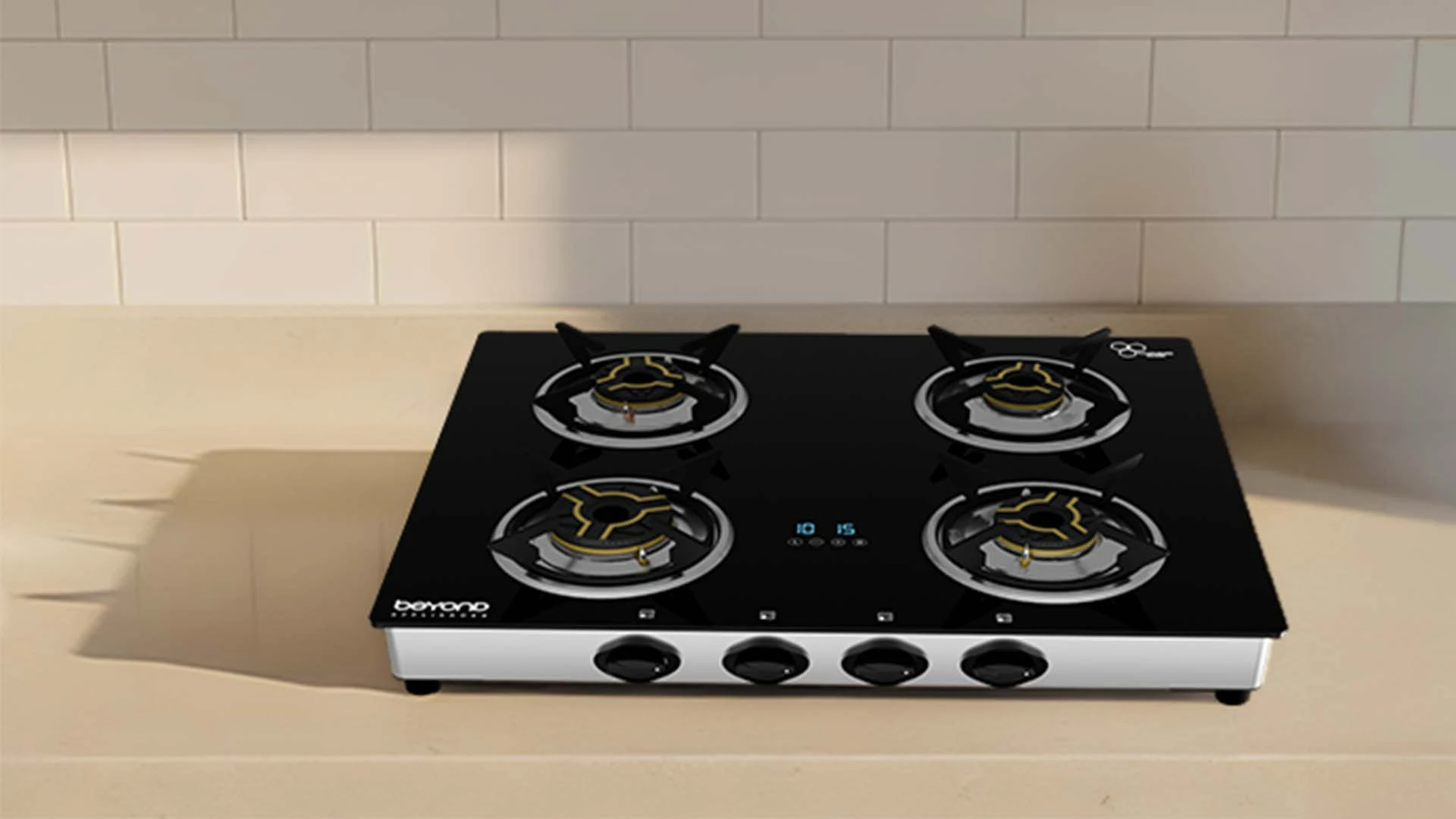
Choosing the right affordable ignition system stove for your kitchen doesn't have to break the bank or compromise on safety. With rising gas prices and increasing focus on kitchen efficiency, homemakers across India are seeking reliable stove ignition systems that deliver consistent performance without the premium price tag. Modern budget-friendly options now include advanced features like auto-ignition, flame failure protection, and energy-efficient burner designs that were once exclusive to high-end models. Whether you're setting up a new kitchen or upgrading your existing cooking setup, understanding the different types of ignition systems and their cost-effectiveness helps you make an informed decision that serves your family's needs for years to come.
Modern cooking has evolved significantly from the days of matchsticks and manual lighters. Today's stove ignition systems offer convenience, safety, and efficiency that transform your daily cooking experience. Understanding these technologies helps you choose the most suitable and cost-effective option for your kitchen needs.
A stove ignition system is the mechanism that creates the spark or flame needed to light your gas burners safely and efficiently. In gas stoves, the system generates a spark that ignites the gas flow, while electric stoves use heating elements that warm up to provide cooking heat. The primary purpose is to eliminate the need for external ignition sources like matches or lighters, making cooking safer and more convenient for daily use.
Piezo-electric ignition represents the most budget stove ignition solution available today. This system uses mechanical pressure to generate an electrical spark without requiring batteries or external power. When you press the ignition button, a spring-loaded hammer strikes a piezo crystal, creating enough electrical charge to produce a spark. This technology offers excellent reliability and virtually maintenance-free operation, making it ideal for cost-conscious buyers who want dependable performance.
Battery-powered systems provide the ultimate convenience in efficient stove ignition technology. These systems automatically generate sparks when you turn the gas knob, eliminating the need to press separate ignition buttons. While slightly more expensive than piezo systems, they offer superior ease of use, especially for elderly users or those with mobility challenges. The batteries typically last 6-12 months with regular use, and replacement costs remain minimal.
Manual ignition systems require you to press a button or turn a knob to create the spark, while automatic systems ignite immediately when gas flow begins. Automatic systems provide better safety by reducing gas exposure time and eliminating the coordination needed between gas flow and spark timing. Though automatic systems cost 15-20% more initially, they offer better long-term value through improved safety and user experience.
The Indian market offers excellent low cost stove igniter options that don't compromise on essential features. Smart shopping within this budget range can secure you a reliable cooking solution with modern safety features and efficient performance.
Two-burner models in the INR 5,000-8,000 range offer excellent value for small families or compact kitchens. These typically feature piezo ignition systems with stainless steel burners and tempered glass tops. Three-burner options between INR 8,000-15,000 provide the sweet spot for most Indian households, offering auto-ignition features, flame failure protection, and efficient burner designs. Four-burner models in the INR 12,000-20,000 range deliver restaurant-style cooking capacity with advanced safety features and premium build quality.
Essential safety features in budget models should include flame failure protection, which automatically cuts gas supply if flames extinguish accidentally. Look for ISI certification marks, indicating compliance with Indian safety standards. Durable construction indicators include brass burners, stainless steel drip trays, and reinforced gas pipes. These features ensure your investment provides reliable service for years while maintaining safety standards.
Online platforms often offer 10-15% lower prices compared to physical stores, especially during festival seasons. Metropolitan cities typically have better availability and competitive pricing due to higher dealer density. Tier-2 and tier-3 cities might have limited model availability but often feature better after-sales service relationships. The best buying times include Diwali, New Year, and summer months when manufacturers offer significant discounts.
Efficiency in stove ignition systems extends beyond just lighting the burners. Modern systems integrate safety, energy conservation, and smart technologies to deliver comprehensive cooking solutions that enhance your kitchen experience while keeping costs manageable.
Flame failure protection stands as the most critical safety feature, automatically shutting off gas supply when flames are accidentally extinguished by wind or spillovers. Auto shut-off mechanisms prevent gas leakage during power failures or system malfunctions. Child safety locks prevent accidental ignition, making these systems family-friendly. These features, once premium additions, are now standard in most budget-friendly models, ensuring safety doesn't require premium pricing.
Gas consumption optimization through proper burner design can reduce cooking gas usage by 15-20% compared to older models. Heat distribution technology ensures even cooking while minimizing gas waste. Burner cap design significantly impacts efficiency – look for models with precision-engineered caps that direct heat effectively toward cookware bottoms. These efficiency improvements translate to monthly savings that offset the initial investment over time.
Basic smart features in affordable models include LED indicators showing burner status and timer functions for cooking management. Some budget-friendly options now include smartphone connectivity for remote monitoring and control. While full smart integration remains expensive, these entry-level smart features provide excellent value for tech-savvy users. Future-proofing your purchase means choosing models with upgrade potential as smart home technology becomes more affordable.
Proper maintenance and basic repair knowledge can significantly extend your stove ignition system's lifespan while reducing service costs. Understanding common issues and their solutions empowers you to handle minor problems independently while knowing when professional help is necessary.
Stove spark igniter problems often stem from dirt accumulation around spark electrodes or moisture interference. Regular cleaning with dry cloth and ensuring electrodes remain dry solves most spark-related issues. Battery replacement in auto-ignition systems should occur every 8-12 months or when ignition becomes sluggish. Cleaning schedules should include weekly electrode cleaning and monthly burner cap maintenance for optimal performance.
Repair costs exceeding 40% of a new unit's price typically indicate replacement makes better financial sense. Warning signs requiring professional help include gas odors, irregular flame patterns, or complete ignition failure across multiple burners. Simple issues like weak sparks or slow ignition often need only cleaning or battery replacement. Professional diagnosis becomes necessary when safety features malfunction or gas connections show signs of wear.
Stove ignition replacement requires basic tools including screwdrivers, pliers, and safety equipment. The process involves disconnecting gas supply, removing old ignition components, and installing new parts according to manufacturer specifications. Safety precautions include ensuring complete gas disconnection, working in well-ventilated areas, and testing all connections thoroughly before use. Professional installation remains recommended for complex systems or when gas line modifications are required.
Choosing between gas stove igniter and electric stove igniter systems depends on your cooking preferences, local utility costs, and kitchen infrastructure. Each technology offers distinct advantages that suit different household needs and cooking styles.
Piezo ignition systems offer reliability without battery dependence, making them ideal for areas with limited battery availability. Battery ignition provides superior convenience but requires periodic maintenance. Installation compatibility varies by gas connection type – ensure your chosen system matches existing infrastructure. Most modern gas stoves accommodate both ignition types, allowing upgrades without complete system replacement.
Electric stove igniter systems use heating elements that provide consistent, controllable heat without gas-related safety concerns. Maintenance costs remain lower due to fewer moving parts and no gas connections requiring periodic inspection. Replacement costs for electric elements typically range from INR 800-2,500, making them cost-effective long-term options. However, electricity costs in many Indian regions make gas systems more economical for daily cooking.
Multi-fuel compatible systems accommodate both gas and electric cooking, providing flexibility during utility disruptions. Portable ignition accessories offer backup solutions for outdoor cooking or emergency situations. These hybrid solutions cost 20-30% more initially but provide excellent versatility for households with varying cooking needs or unreliable utility supply.
Proper installation ensures your affordable ignition system stove operates safely and efficiently from day one. Understanding installation requirements helps you budget accurately and ensures compliance with safety regulations.
Professional installation costs INR 500-1,500 but ensures proper gas connections and safety compliance. DIY setup saves money but requires careful attention to gas line connections and safety protocols. Required tools include adjustable wrenches, gas leak detection solution, and basic hand tools. Preparation involves ensuring adequate ventilation, checking gas line compatibility, and having emergency contact information readily available.
ISI certification requirements mandate specific installation standards for gas appliances in India. Proper ventilation includes maintaining minimum distances from walls and ensuring adequate air circulation. Placement considerations involve level surfaces, proximity to gas connections, and accessibility for maintenance. These compliance measures protect your family while ensuring warranty coverage remains valid.
Initial setup checklists should include gas leak testing, ignition system verification, and flame pattern inspection. Common installation issues include improper gas pressure, misaligned ignition electrodes, or inadequate ventilation. Solutions typically involve minor adjustments to gas regulators, electrode positioning, or ventilation improvements. Professional help becomes necessary when gas pressure problems or structural modifications are required.
The main types include piezo-electric igniters that create manual sparks through mechanical pressure, battery-powered auto ignition systems that spark automatically when gas flows, and electronic ignition systems with advanced controls. Piezo igniters offer the most cost-effective solution for budget-conscious buyers, requiring no batteries or external power while providing reliable performance.
Replacement costs typically range from INR 500-2,000 for parts, with professional installation adding INR 500-1,500 to the total expense. DIY replacement can save 50-70% on labor costs, though professional installation ensures proper safety compliance and warranty coverage.
Yes, auto ignition stoves provide enhanced safety, convenience, and reduced risk of burns or gas exposure. The 10-20% price premium pays for itself through improved safety features, easier operation for elderly users, and reduced cooking preparation time.
Several brands offer reliable budget options with good warranty coverage and extensive service networks. Look for models with ISI certification, comprehensive warranty coverage, and local service center availability for the best long-term value.
Yes, auto ignition conversion kits are available for INR 1,500-3,000, though professional installation is recommended for safety compliance and warranty protection. The conversion process typically takes 2-3 hours and significantly improves cooking convenience.
Selecting an affordable ignition system stove requires balancing cost, safety features, and long-term reliability. Piezo-electric systems offer the best value for budget-conscious buyers, while battery-powered auto ignition provides superior convenience for slightly higher costs. Essential safety features like flame failure protection and ISI certification should never be compromised for price savings. Regular maintenance and basic troubleshooting knowledge can significantly extend your stove's lifespan while reducing service costs. Whether choosing gas or electric systems, proper installation and compliance with safety standards ensure years of reliable cooking performance. The Indian market offers excellent options under INR 20,000 that deliver modern features and dependable operation, making quality cooking accessible to every household budget.
