

How Smart Chimneys Cut Energy Costs: A Guide
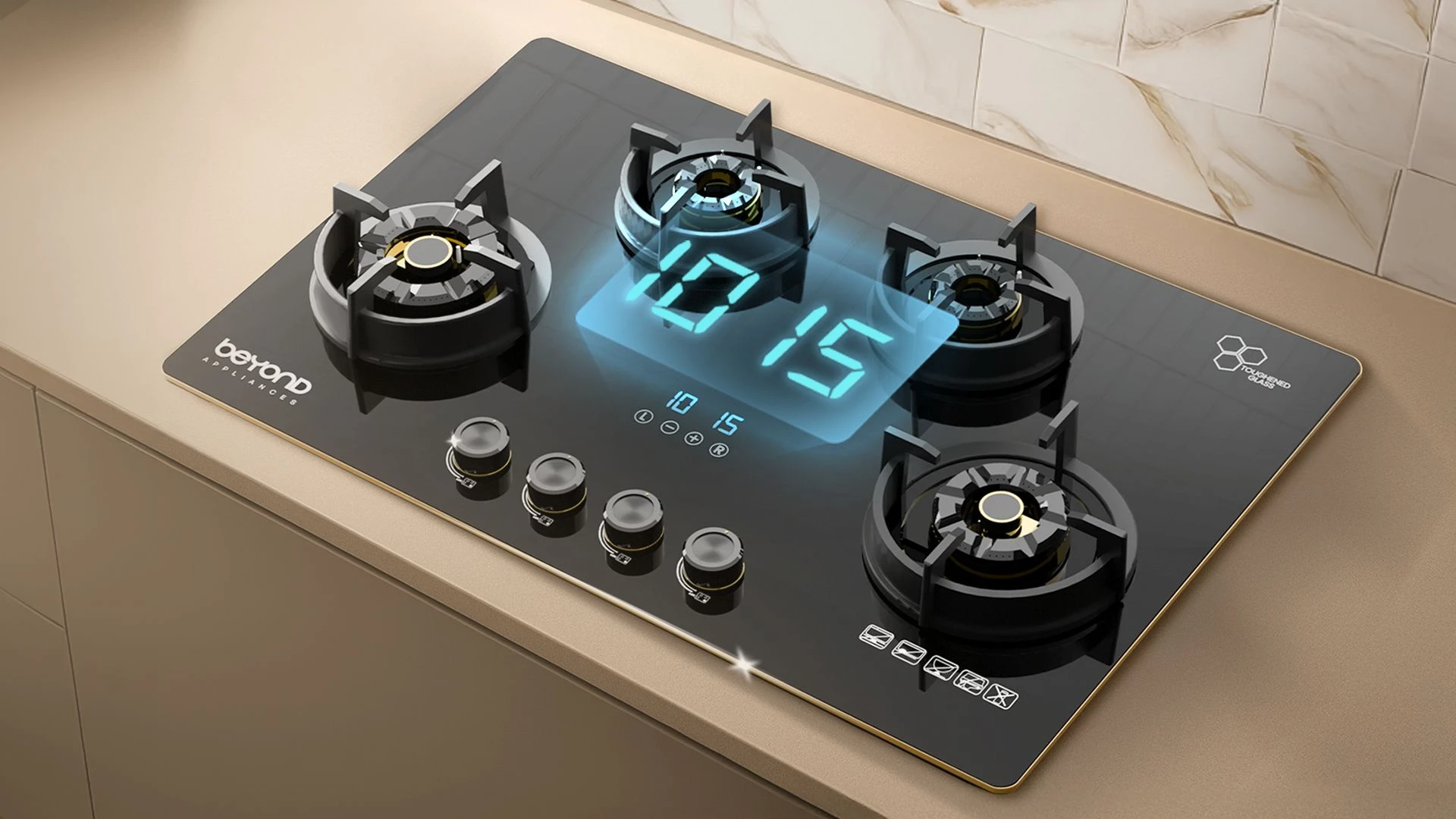
Smart chimneys represent a revolutionary advancement in home ventilation technology, combining traditional functionality with cutting-edge automation to deliver unprecedented energy savings. These intelligent systems use sensors, automated controls, and advanced materials to optimize airflow while minimizing heat loss. Unlike conventional chimneys that operate as passive ventilation systems, smart chimneys actively monitor and adjust their performance based on real-time conditions, weather patterns, and usage requirements. This technological evolution addresses one of the most significant energy inefficiencies in modern homes, where traditional chimneys can account for up to 30% of total heat loss during winter months.
Smart chimneys deliver substantial energy savings through advanced technology and intelligent design features. Traditional chimneys create continuous thermal bridges that allow heated air to escape even when fireplaces aren't in use, resulting in energy losses of 20-30% in typical homes. Smart chimney systems address these inefficiencies through automated damper controls, thermal sensors, and weather-responsive adjustments that minimize unnecessary heat loss. Research indicates that homes equipped with smart chimney technology can reduce heating costs by 15-25% annually, translating to savings of INR 8,000 to INR 15,000 per year for average households. These systems achieve energy efficiency through multiple mechanisms: automated damper closure when fireplaces aren't active, real-time monitoring of indoor and outdoor temperature differentials, and intelligent draft control that optimizes combustion efficiency while preventing over-ventilation.
Smart chimneys demonstrate measurable energy performance improvements compared to traditional systems. Studies show that automated damper controls alone can reduce heat loss by up to 40% during non-operational periods. Advanced insulation methods integrated into smart chimney designs further enhance thermal efficiency, with some systems achieving R-values of 15-20 compared to traditional chimneys' R-values of 2-4.
Conventional chimneys operate as passive systems with fixed damper positions and minimal insulation, creating constant energy drains. Smart chimneys utilize variable damper controls, thermal monitoring, and predictive algorithms to optimize energy consumption based on actual usage patterns and environmental conditions.
Modern smart chimney systems offer comprehensive benefits that extend far beyond traditional ventilation functions. These intelligent systems integrate seamlessly with home automation platforms, providing centralized control over indoor air quality, energy consumption, and safety monitoring. Smart chimney benefits include automated draft control that adjusts ventilation based on wind conditions and indoor air quality requirements. Real-time air quality monitoring capabilities allow smart chimneys to detect carbon monoxide levels, particulate matter, and other pollutants, automatically adjusting ventilation rates to maintain optimal indoor air quality. Weather-responsive damper adjustments prevent downdrafts during storms while maintaining proper ventilation during calm conditions. Integration with smart home systems enables voice control, smartphone monitoring, and automated scheduling based on occupancy patterns.
Smart chimneys incorporate advanced safety features including carbon monoxide detection, temperature monitoring, and automatic emergency ventilation protocols. These systems can alert homeowners to potential safety issues and take corrective actions automatically.
Modern smart chimneys connect with popular home automation platforms, allowing integration with HVAC systems, security systems, and energy management platforms for comprehensive home efficiency optimization.
Modern chimney technology incorporates sophisticated components that deliver significant cost savings through improved efficiency and reduced maintenance requirements. Smart dampers with motorized controls automatically adjust opening positions based on real-time conditions, preventing energy waste while ensuring proper ventilation. IoT sensors continuously monitor temperature, humidity, air pressure, and air quality parameters to optimize system performance. AI-powered optimization algorithms learn from usage patterns and environmental conditions to predict optimal ventilation requirements, reducing energy consumption while maintaining comfort and safety. Mobile app controls enable remote monitoring and adjustment of chimney settings, allowing homeowners to optimize performance even when away from home. Predictive maintenance capabilities identify potential issues before they become costly problems, extending system lifespan and reducing repair expenses.
Advanced sensor networks monitor multiple parameters simultaneously, including draft velocity, temperature gradients, and combustion efficiency metrics. These sensors communicate wirelessly with central control systems to enable real-time optimization.
Machine learning algorithms analyze historical usage data, weather patterns, and home occupancy to predict optimal chimney operation schedules, maximizing energy efficiency while maintaining proper ventilation.
Energy efficient chimney design focuses on optimizing thermal performance through advanced engineering principles and materials science. Efficient chimney design incorporates proper sizing calculations that balance draft requirements with heat loss minimization. Advanced materials including high-performance insulation, thermal barriers, and corrosion-resistant liners enhance both efficiency and durability. Aerodynamic improvements in flue design reduce turbulence and improve draft efficiency, allowing for smaller chimney sizes without compromising performance. Multi-wall insulation systems create thermal breaks that prevent heat transfer while maintaining structural integrity. Heat recovery ventilation integration captures waste heat from exhaust gases, redirecting thermal energy back into living spaces.
Professional sizing calculations consider factors including fireplace output, home volume, and local climate conditions to determine optimal chimney dimensions that maximize efficiency while meeting safety requirements.
Modern chimney construction utilizes high-performance materials including ceramic fiber insulation, stainless steel liners, and thermal barrier coatings that significantly improve energy efficiency compared to traditional masonry construction.
Chimney heat loss prevention requires comprehensive strategies that address multiple thermal inefficiency sources. Chimney insulation methods include external insulation wrapping, internal liner insulation, and thermal break installation at critical connection points. Common heat loss points include damper seals, flue connections, and chimney crown areas where traditional construction creates thermal bridges. Advanced insulation techniques utilize multi-layer systems with reflective barriers, high-R-value materials, and vapor barriers that prevent moisture infiltration while maintaining thermal performance. Thermal bridging elimination strategies include installing thermal breaks at structural connections and using low-conductivity materials in critical areas. Proper sealing and weatherization methods ensure airtight construction that prevents unwanted air infiltration.
Modern insulation systems combine multiple materials including aerogel blankets, ceramic fiber insulation, and reflective barriers to achieve superior thermal performance with minimal thickness requirements.
Smart systems automatically adjust insulation effectiveness and damper settings based on seasonal temperature variations, maximizing energy savings throughout the year while maintaining proper ventilation.
Smart chimneys typically reduce heating costs by 15-25% annually, with potential savings of INR 8,000 to INR 15,000 per year for average homes. Actual savings depend on home size, climate conditions, and existing chimney efficiency.
Most smart chimney systems pay for themselves within 3-5 years through energy savings, reduced maintenance costs, and improved home value. Premium systems may have longer payback periods but offer additional features and benefits.
Many existing chimneys can be retrofitted with smart dampers, sensors, and control systems. Professional assessment determines retrofit feasibility based on chimney condition and structural requirements.
Smart chimneys are designed to operate effectively in various climates, with weather-responsive controls that adjust performance based on local conditions including wind, temperature, and humidity variations.
Smart chimneys require annual professional inspections, sensor calibration, and software updates. Automated diagnostic systems alert homeowners to maintenance needs, reducing unexpected repair costs.
Smart chimneys represent a significant advancement in home energy efficiency technology, offering substantial cost savings through intelligent automation and advanced engineering. These systems address traditional chimney inefficiencies while providing enhanced safety, convenience, and environmental benefits. The combination of automated controls, advanced materials, and predictive optimization delivers measurable energy savings that justify the initial investment through reduced utility costs and improved home comfort. As energy costs continue rising and environmental consciousness grows, smart chimney technology provides a practical solution for homeowners seeking to reduce their carbon footprint while maintaining the comfort and ambiance of traditional fireplaces.
