

How Chimney Filters Boost Kitchen Air Quality Now
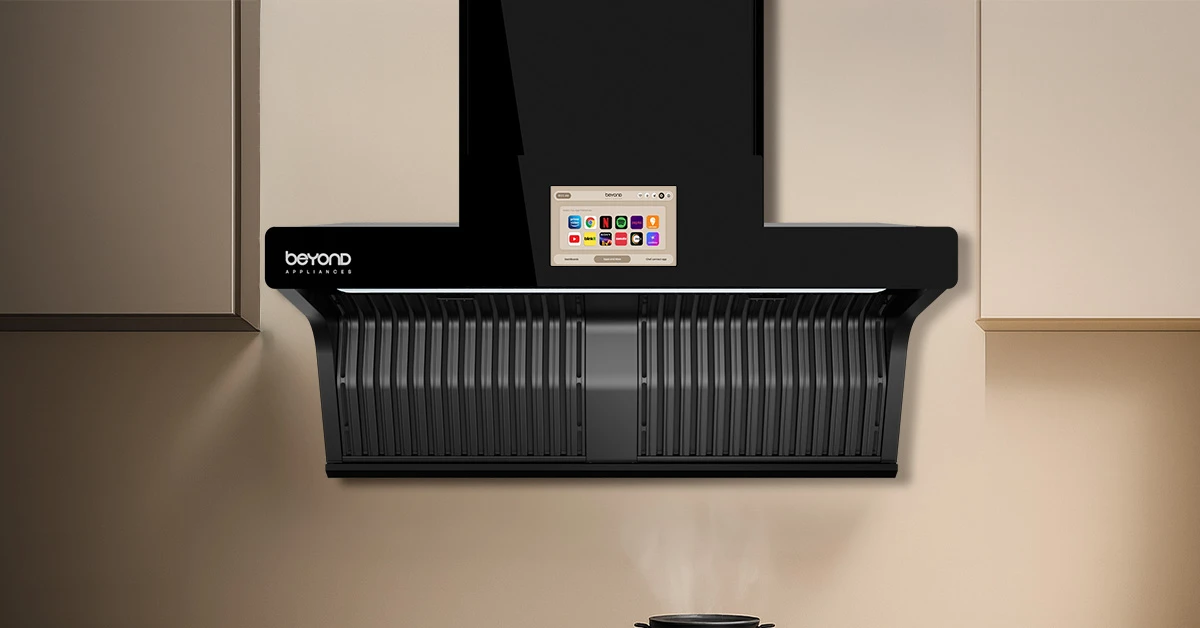
Modern kitchens face unique air quality challenges that traditional ventilation methods struggle to address. With increased cooking frequency and diverse culinary practices, homeowners need effective solutions to combat smoke, grease, and odors. Understanding how different filtration systems perform can help you make informed decisions about your kitchen's air quality needs. The debate around chimney filter vs liver in kitchen performance has become crucial for homeowners seeking optimal ventilation solutions.
Today's kitchens generate more pollutants than ever before. Cooking fumes contain harmful particles including grease droplets, smoke particles, and volatile organic compounds. These pollutants can cause respiratory irritation, trigger allergies, and create unpleasant odors throughout your home. Poor kitchen ventilation leads to moisture buildup, which encourages mold growth and damages kitchen surfaces. Traditional exhaust fans often lack the power and filtration capacity needed for modern cooking demands. Without proper air circulation, cooking emissions spread to other rooms, affecting overall indoor air quality.
Cooking emissions contain fine particles that penetrate deep into lungs. Regular exposure to these particles increases risks of respiratory problems, especially for children and elderly family members. Poor air quality also affects food preparation hygiene and kitchen cleanliness.
When evaluating chimney filter vs liver in kitchen performance, several factors determine effectiveness. Chimney filters use multi-stage filtration to capture grease, smoke, and odors before they spread. Liver systems, while less common, offer alternative filtration approaches with different performance characteristics. Modern chimney filters achieve filtration efficiency rates of 85-95% for grease particles and 70-80% for smoke removal. They operate at CFM ratings between 400-1200, suitable for various kitchen sizes. Installation costs range from INR 15,000 to INR 50,000, depending on features and capacity.
Air flow capacity determines how quickly your kitchen chimney clears cooking emissions. Higher CFM ratings handle heavy cooking better but consume more energy. Filter replacement frequency affects long-term costs, with quality filters lasting 6-12 months under normal use.
A quality kitchen chimney uses multiple filtration stages to clean air effectively. The first stage captures large grease particles through baffle or mesh filters. Secondary filtration removes smaller particles and odors using activated charcoal or specialized media. Exhaust hood design affects filtration performance significantly. Proper hood size and placement ensure optimal capture of cooking emissions before they disperse. Modern chimneys include variable speed controls that adjust suction power based on cooking intensity.
Baffle filters excel at grease capture and easy cleaning. Mesh filters offer good initial filtration but require frequent replacement. Charcoal filters effectively remove odors but need regular replacement to maintain performance.
Grease filters form the primary defense against kitchen pollutants. These filters capture oil droplets and food particles before they enter the exhaust system. Proper grease filtration protects internal components and maintains system efficiency. Regular cleaning maintains grease filter effectiveness. Most filters require cleaning every 2-4 weeks, depending on cooking frequency. Dishwasher-safe filters simplify maintenance, while some require manual cleaning with degreasing solutions.
Proper installation ensures optimal grease capture. Filters should fit snugly without gaps that allow bypass. Regular inspection helps identify wear or damage that reduces filtration efficiency.
Combining air purifiers with exhaust hoods creates comprehensive air quality solutions. Standalone air purifiers handle residual particles that escape initial filtration. This dual approach significantly improves overall kitchen air quality. Integrated systems coordinate operation between exhaust and purification functions. Smart controls automatically adjust both systems based on cooking activity and air quality sensors. This integration optimizes energy use while maintaining clean air.
Kitchen size determines required air purifier capacity. Larger kitchens need higher CADR ratings for effective particle removal. Consider cooking styles when selecting purification features - frequent frying requires stronger odor control.
Proper kitchen chimney installation ensures maximum performance and safety. Professional installation guarantees correct sizing, positioning, and electrical connections. DIY installation may void warranties and create safety hazards. Regular maintenance preserves filtration effectiveness and extends system life. Monthly filter cleaning, quarterly deep cleaning, and annual professional servicing maintain optimal performance. Neglected maintenance reduces efficiency and increases operating costs.
Establish regular cleaning schedules based on cooking frequency. Heavy cooking requires more frequent filter attention. Quality replacement filters cost INR 500-2000 but significantly impact performance.
Chimney filter replacement depends on usage and filter type. Grease filters need cleaning every 2-4 weeks, while charcoal filters require replacement every 3-6 months. Heavy cooking accelerates replacement needs.
Ducted systems exhaust air outside, providing superior kitchen ventilation. Ductless systems recirculate filtered air, suitable where external venting isn't possible. Ducted systems generally offer better performance.
Quality smoke filters remove 70-90% of cooking odors. Complete elimination depends on filter type, system capacity, and maintenance. Charcoal filters excel at odor control but require regular replacement.
Calculate required CFM by multiplying kitchen area by 10-15. Add extra capacity for high-heat cooking or open kitchen layouts. Professional assessment ensures proper sizing for your specific needs.
Exhaust hoods effectively handle normal cooking smoke but may struggle with heavy smoke from burnt food. Proper ventilation reduces smoke spread but cannot eliminate all emergency situations.
Regular cleaning maintains grease filter efficiency. Monthly deep cleaning, filter replacement as needed, and annual professional servicing ensure optimal performance and longevity.
Effective kitchen air quality management requires understanding filtration technologies and proper system selection. The chimney filter vs liver in kitchen performance comparison highlights the importance of choosing systems that match your cooking needs and kitchen layout. Quality filtration systems protect health, maintain cleanliness, and enhance cooking experiences. Investing in proper kitchen ventilation creates healthier homes and more enjoyable cooking environments.
