

How an Energy Gas Saving Cooktop Works: Fuel Saving Tips
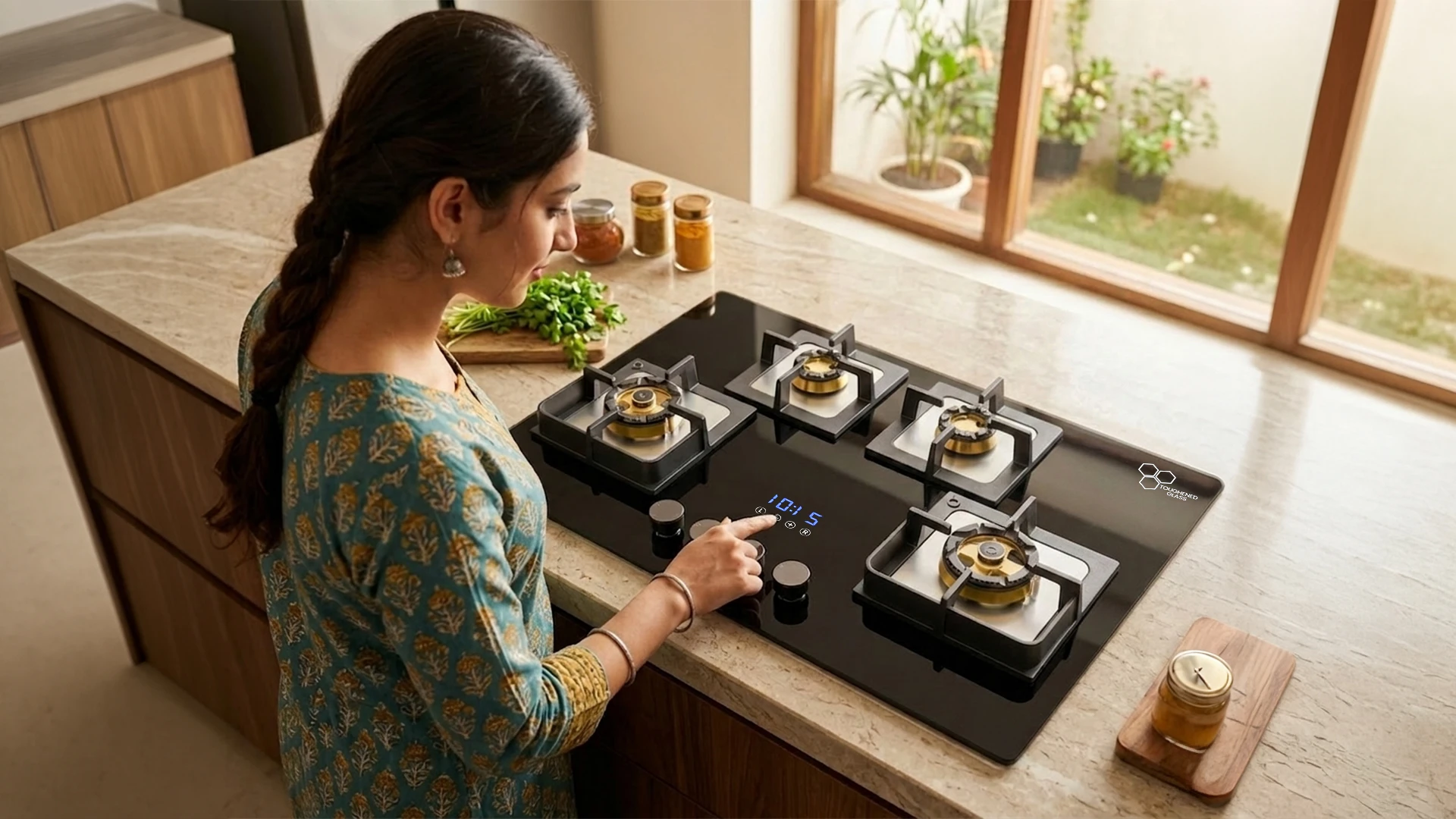
The rising cost of cooking gas has made energy efficiency a top priority for Indian households. An energy gas saving cooktop can reduce your monthly fuel consumption by up to 30% while maintaining excellent cooking performance. These innovative appliances combine advanced burner technology with smart design features to maximize heat transfer and minimize gas wastage. Whether you're looking to cut down on your cooking expenses or reduce your carbon footprint, understanding how these efficient systems work will help you make smarter choices in your kitchen. Modern energy-efficient cooktops use precision-engineered burners, improved flame distribution, and heat retention features that transform the way gas is consumed during cooking.
Energy gas saving cooktops incorporate several technological advances that set them apart from conventional models. These appliances feature specially designed burner heads with optimized gas flow patterns that ensure complete combustion and maximum heat transfer to your cookware.
The key difference lies in the burner engineering and flame control mechanisms. Traditional cooktops often waste significant amounts of gas through incomplete combustion and heat loss around the sides of pans. Energy-efficient models address these issues through precision manufacturing and smart design choices.
Modern energy efficient cooktop models use brass or aluminum alloy burner heads with precisely calculated hole patterns. These create a more concentrated flame that directs heat directly to the bottom of your cookware rather than escaping around the sides.
Enhanced gas valve systems provide better flame adjustment capabilities. This allows you to achieve the exact heat level needed without overshooting and wasting fuel.
The science behind fuel-saving cooktops centers on maximizing thermal efficiency through better combustion and heat transfer. These systems achieve higher efficiency ratings by addressing the three main areas where conventional cooktops lose energy.
Efficient gas stove models utilize a combination of aerodynamic design principles and materials science to create optimal burning conditions. The burner geometry ensures proper air-to-gas ratios, while specialized alloys conduct and distribute heat more effectively than standard materials.
Energy-saving burners achieve near-complete combustion by maintaining ideal air-fuel mixtures. This results in cleaner burning with minimal carbon monoxide production and maximum heat output per unit of gas consumed.
Advanced burner designs create flame patterns that match common cookware sizes. This ensures maximum heat transfer efficiency and reduces energy loss to the surrounding air.
Some models include heat retention rings or reflective surfaces that redirect escaping heat back toward the cooking surface. This feature further improves overall efficiency.
Selecting an efficient gas stove offers multiple benefits beyond just fuel savings. These appliances provide superior cooking control, reduced environmental impact, and long-term cost advantages that make them attractive investments for modern kitchens.
The financial benefits become apparent within the first year of use. Typical households save between INR 2,000 to INR 4,000 annually on cooking gas expenses. Additionally, the improved combustion efficiency means cleaner indoor air quality and reduced maintenance requirements.
Energy-efficient cooktops typically cost INR 3,000 to INR 8,000 more than standard models. However, they pay for themselves through reduced gas consumption within 12-18 months of regular use.
Improved combustion efficiency reduces greenhouse gas emissions by approximately 20-25% compared to conventional cooktops. This contributes to environmental conservation efforts.
Better heat distribution and flame control provide more consistent cooking results. You get greater precision for complex recipes requiring specific temperature control.
When shopping for a fuel-efficient cooktop, several specific features indicate superior energy performance. Understanding these characteristics helps you identify models that will deliver the best long-term savings and cooking experience.
Modern gas cooktop fuel saving technologies include automatic ignition systems, flame failure safety devices, and ergonomic controls. These features make efficient cooking more convenient and safer.
Look for cooktops with dual or triple-ring burners that allow you to match flame size to your cookware. This prevents energy waste from flames extending beyond pot bottoms.
High-quality gas valves with fine adjustment capabilities enable precise flame control. This allows you to use exactly the amount of gas needed for each cooking task.
Well-designed drip trays and burner supports improve airflow around burners. This contributes to better combustion efficiency and easier cleaning.
Proper cooking techniques can amplify the benefits of an energy gas saving cooktop. Simple adjustments to your cooking habits can increase fuel savings by an additional 15-20% beyond what the efficient hardware provides.
The way you use your cooktop significantly impacts overall efficiency. Factors like cookware selection, flame adjustment, and cooking timing all contribute to fuel consumption patterns.
Use flat-bottomed pans that match burner sizes closely. Cookware with thick, even bottoms distributes heat more effectively, allowing you to use lower flame settings while maintaining cooking performance.
Adjust flames so they don't extend beyond the bottom of your cookware. Flames licking up the sides of pans waste energy and can damage cookware handles.
Keep lids on pots when appropriate to retain heat and reduce cooking times. This simple practice can reduce gas consumption by up to 25% for many cooking tasks.
Determining the right time to upgrade to an energy efficient cooktop depends on several factors. These include your current model's age, condition, and fuel consumption patterns. Most conventional cooktops become candidates for replacement after 8-10 years of regular use.
Signs that indicate potential benefits from upgrading include uneven flame patterns and difficulty controlling flame intensity. Frequent burner cleaning requirements and noticeably high gas consumption compared to similar households also suggest it's time for an upgrade.
Cooktops older than 10 years typically lack the efficiency features found in modern models. They may have worn components that reduce performance and increase gas consumption.
Calculate potential savings by comparing your current monthly gas expenses with projected consumption using an efficient model. Most upgrades become financially beneficial within 18-24 months.
Proper installation and regular maintenance ensure your energy gas saving cooktop operates at peak efficiency throughout its lifespan. Professional installation is recommended to ensure proper gas connections and optimal performance.
Regular cleaning and maintenance routines prevent efficiency degradation and extend appliance life. Simple monthly maintenance tasks can preserve fuel-saving performance for years.
Certified technicians ensure proper gas pressure settings, adequate ventilation, and safety compliance. This maximizes both efficiency and safety.
Clean burner heads monthly and check gas connections quarterly. Have professional servicing annually to maintain optimal performance and safety standards.
Contemporary energy efficient cooktops incorporate advanced safety features that protect users while maintaining fuel-saving performance. These systems provide peace of mind without compromising efficiency benefits.
Safety technologies include automatic flame failure protection, child safety locks, and overheat protection systems. These features prevent accidents while preserving energy-saving capabilities.
Automatic gas shut-off systems detect when flames are extinguished and immediately stop gas flow. This prevents dangerous gas accumulation and ensures safety.
Lockable control knobs and safety valves prevent accidental operation by children. This provides family-friendly operation without affecting efficiency performance.
Understanding energy efficiency ratings helps you select the most fuel-efficient cooktop for your needs. Indian standards and international certifications provide reliable benchmarks for comparing different models.
BEE (Bureau of Energy Efficiency) star ratings and ISI certifications indicate tested performance levels. These help consumers make informed decisions about energy-efficient appliances.
Higher star ratings indicate better fuel efficiency. Five-star models typically consume 20-30% less gas than 2-star alternatives for similar cooking tasks.
Look for ISI marks and BEE certifications that guarantee tested performance and safety standards compliance. These ensure reliable long-term operation.
A comprehensive cost analysis reveals the true financial benefits of investing in an energy gas saving cooktop. Initial purchase prices range from INR 8,000 to INR 25,000 depending on features and brand. However, fuel savings accumulate significantly over time.
Average Indian households spend INR 6,000 to INR 12,000 annually on cooking gas. Energy-efficient cooktops can reduce this expense by 25-35%, creating substantial long-term savings that justify the initial investment.
Most energy-efficient cooktops pay for themselves within 15-24 months through reduced gas consumption. This makes them financially attractive investments for regular cooking households.
When factoring in purchase price, installation costs, and fuel savings over a 10-year lifespan, efficient cooktops typically cost 40-50% less. This is compared to continuing with conventional models.
Most energy gas saving cooktop models reduce fuel consumption by 25-35% compared to conventional models. This translates to annual savings of INR 2,000 to INR 4,000 for average households, depending on cooking frequency and gas prices in your area.
No special cookware is required, but using flat-bottomed pans that match burner sizes maximizes efficiency benefits. Heavy-bottomed cookware distributes heat more evenly, allowing you to use lower flame settings effectively.
Quality energy efficient cooktops typically last 12-15 years with proper maintenance, similar to or slightly longer than conventional models. The improved build quality and materials often result in better durability.
Yes, modern energy efficient cooktops include advanced safety features like flame failure protection and automatic shut-off systems. These safety technologies often exceed those found in conventional models.
Monthly cleaning of burner heads, quarterly inspection of gas connections, and annual professional servicing maintain peak efficiency. Regular maintenance prevents performance degradation and ensures safety.
Professional installation is strongly recommended for safety and warranty compliance. Certified technicians ensure proper gas connections, pressure settings, and ventilation requirements are met.
Energy gas saving cooktops represent a smart investment for Indian households seeking to reduce cooking fuel expenses while improving kitchen performance. These appliances combine advanced burner technology, improved combustion efficiency, and smart design features to deliver 25-35% fuel savings compared to conventional models. With typical payback periods of 15-24 months and annual savings ranging from INR 2,000 to INR 4,000, the financial benefits make upgrading an attractive option for regular cooking households. Beyond cost savings, these efficient cooktops provide better cooking control, enhanced safety features, and reduced environmental impact. When combined with proper cooking techniques and regular maintenance, an energy efficient cooktop becomes a valuable long-term investment that pays dividends through reduced fuel consumption and improved cooking experiences for years to come.
