
High Noise vs Low Noise Chimney: Complete Guide
Cart
Your cart is empty
Choosing the right kitchen chimney involves many factors, but one aspect often overlooked is noise level. The difference between high noise vs low noise chimney options can significantly impact your cooking experience and overall kitchen comfort. Modern kitchens demand appliances that perform efficiently without disrupting daily life. Understanding chimney acoustics helps you make an informed decision that balances performance with peace of mind. Whether you're dealing with a noisy chimney or planning a new installation, this guide covers everything you need to know about chimney noise levels and reduction techniques.
Chimney noise stems from various mechanical and design factors that affect overall performance. Most homeowners notice noise issues only after installation, making it crucial to understand these factors beforehand.
Motor vibrations represent the primary source of chimney noise in most installations. Poor-quality motors lack proper balancing, creating excessive vibrations that transfer through mounting brackets to kitchen cabinets and walls. Installation problems compound these issues when mounting screws loosen over time or brackets fail to provide adequate vibration isolation. Ductwork design plays a crucial role in noise generation. Sharp bends, undersized ducts, and poor connections create turbulence that produces whistling and rushing sounds. Inadequate ductwork forces motors to work harder, increasing both noise levels and energy consumption.
Different sounds indicate specific issues requiring targeted solutions. Humming typically suggests normal motor operation, while grinding noises signal bearing problems or debris interference. Rattling sounds often point to loose components or damaged fan blades. Whistling and airflow noise usually indicate ductwork restrictions or design flaws. Intermittent noises may suggest electrical issues or variable load conditions, while continuous noise patterns typically relate to mechanical problems or poor installation practices.
Traditional chimneys often operate at noise levels that can disrupt kitchen activities and conversations. Understanding these limitations helps evaluate whether upgrades or replacements make sense for your situation.
Most conventional chimneys operate between 45-65 decibels, comparable to moderate rainfall or normal conversation levels. However, peak operation during heavy cooking can reach 70+ decibels, similar to busy traffic noise. These levels make normal conversation difficult and can be particularly disruptive in open kitchen layouts. For comparison, refrigerators typically operate at 35-40 decibels, while dishwashers range from 40-50 decibels. This puts standard chimneys among the noisier kitchen appliances, especially during active cooking periods.
Single-speed motors contribute significantly to noise issues in budget chimneys. These motors operate at fixed speeds regardless of actual ventilation needs, often running at maximum capacity when lower speeds would suffice. Basic fan blade designs create more turbulence and noise compared to aerodynamically optimized alternatives. Cost-cutting measures in acoustic engineering result in minimal sound insulation and vibration dampening. Manufacturers often prioritize suction power over noise reduction, leading to designs that emphasize raw performance without considering user comfort.
Higher noise levels don't necessarily indicate better performance. Many noisy chimneys suffer from inefficient designs that waste energy while creating unnecessary sound. Poor motor quality often leads to premature failure and increased maintenance costs. Energy efficiency typically suffers in noisier models due to oversized motors and inefficient airflow designs. These systems consume more electricity while providing inconsistent performance across different cooking scenarios.
Modern quiet chimney technology addresses noise issues through advanced engineering and thoughtful design. These solutions provide superior performance while maintaining comfortable noise levels.
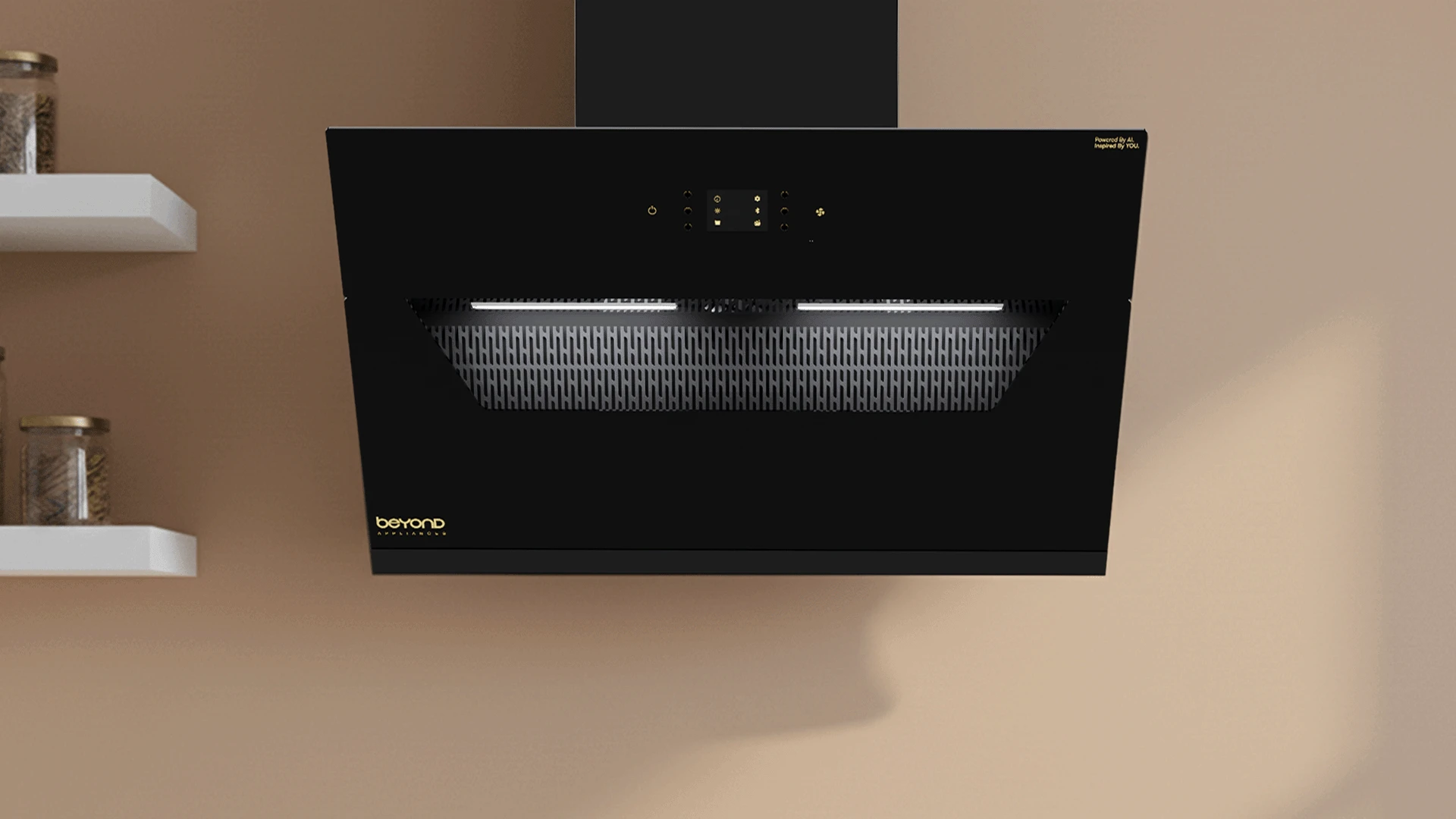
Variable speed motors represent the cornerstone of quiet chimney design. These systems automatically adjust motor speed based on cooking intensity and air quality sensors. Motion Sensor Control technology allows easy operation by just waving your hands, eliminating the need for manual adjustments during cooking. Aerodynamic fan blade designs minimize turbulence while maximizing airflow efficiency. Sound dampening chambers and acoustic insulation materials absorb motor noise and vibrations before they reach the kitchen environment.
Noise reduction ratings help compare different models objectively. Quality chimneys achieve noise levels below 40 decibels during normal operation, with some premium models operating as quietly as 35 decibels. Acoustic insulation techniques include specialized foam materials and vibration-dampening mounts. Motor placement optimization reduces noise transmission through strategic positioning and isolation. Dry Heat Auto Clean technology maintains optimal performance by cleaning the motor with dry heat technology, preventing efficiency loss that could increase noise levels.
Quiet chimneys often feature superior energy efficiency through optimized motor control and airflow design. Enhanced cooking experiences result from reduced noise distractions and improved air quality management. Dual Bluetooth Speakers and FM Radio capabilities transform cooking time into entertainment opportunities. Property value increases with quality appliance installations, particularly in premium kitchen renovations. Auto Turn Off features and AI Whistle Counter technology demonstrate the advanced functionality typical of quiet, efficient chimney systems.
Existing noisy chimneys can often be improved through targeted interventions. Both DIY approaches and professional solutions offer paths to quieter operation.
Adding acoustic foam around motor housings can significantly reduce noise transmission. Ensure all mounting screws remain tight and consider adding rubber washers for vibration isolation. Regular lubrication of moving parts prevents bearing noise and extends component life. Securing loose ductwork connections eliminates rattling sounds and improves overall efficiency. Check that all joints are properly sealed and supported to prevent vibration transmission.
Motor replacement with variable-speed alternatives provides the most dramatic noise reduction. Professional ductwork redesign optimizes airflow while minimizing turbulence and noise generation. Vibration dampening installations include specialized mounts and isolation materials. Complete system overhauls may be cost-effective for severely noisy installations, especially when combined with kitchen renovations or appliance upgrades.
Regular cleaning schedules prevent grease buildup that can cause motor strain and increased noise. Filterless designs like some modern chimneys eliminate filter maintenance while maintaining optimal airflow. Component inspection should include checking for loose screws, worn bearings, and damaged fan blades. Preventive maintenance prevents minor issues from developing into major noise problems while extending overall system life.
Selecting the right chimney requires balancing performance needs with comfort preferences and budget constraints. Understanding your specific requirements guides this important decision.
Open kitchen layouts demand quieter operation due to sound transmission to living areas. Family lifestyle patterns influence acceptable noise levels, with frequent entertainers typically preferring quieter options. Consider cooking habits and peak usage times when evaluating noise tolerance. Budget considerations should include long-term operating costs and potential resale value impacts, not just initial purchase price.
Noise level specifications below 40 decibels indicate quality quiet operation. Variable speed motors provide optimal performance across different cooking scenarios. 1500 CMH Suction capacity ensures adequate ventilation power even at lower, quieter speeds. Build quality indicators include solid construction, quality bearings, and comprehensive warranties. Button Control & Display Screen interfaces provide precise control over operation settings without touchscreen complexity.
Quiet chimneys typically cost INR 5,000-15,000 more than basic models, but energy savings and reduced maintenance often offset this premium. Consider the value of improved cooking comfort and reduced noise pollution in your daily life. Resale value improvements from quality appliances can recover much of the initial investment, particularly in premium kitchen installations.
Proper installation techniques significantly impact noise levels regardless of chimney quality. Attention to detail during installation prevents many common noise issues.
Mounting best practices include using vibration-dampening materials and ensuring solid, level installation surfaces. Ductwork routing should minimize bends and maintain consistent diameter throughout the system. Professional installation ensures optimal performance and warranty compliance. Electrical considerations include dedicated circuits for high-powered units and proper grounding for safety and noise reduction.
Testing procedures should verify noise levels at different speed settings and cooking scenarios. Fine-tuning speed controls optimizes performance while minimizing unnecessary noise. Address any installation-related issues promptly to prevent long-term problems. Performance monitoring helps identify developing issues before they become major noise problems.
Normal operation should stay below 45 decibels, with quality models achieving 35-40 decibels. Anything above 50 decibels during regular cooking indicates potential issues or poor design.
Yes, through proper maintenance, vibration dampening, and ductwork improvements. However, motor-related noise often requires professional intervention or replacement for significant improvement.
Quality quiet chimneys typically range from INR 15,000-40,000, depending on features and capacity. The investment often pays for itself through improved comfort and energy efficiency.
Modern quiet chimneys actually improve efficiency through better motor control and airflow design. Variable speed operation provides adequate power when needed while operating quietly during light cooking.
Monthly cleaning and quarterly component inspection prevent most noise issues. Annual professional servicing ensures optimal performance and identifies potential problems early.
The choice between high noise vs low noise chimney options significantly impacts your kitchen experience and daily comfort. Modern quiet chimney technology provides superior performance while maintaining peaceful cooking environments. Investment in quality quiet chimneys pays dividends through improved comfort, energy efficiency, and property value. Proper installation and maintenance ensure optimal performance regardless of your chosen system. Consider your specific needs, kitchen layout, and long-term value when making this important appliance decision.
