

Glass Hobtop Safety: Continuous Cooking Risks
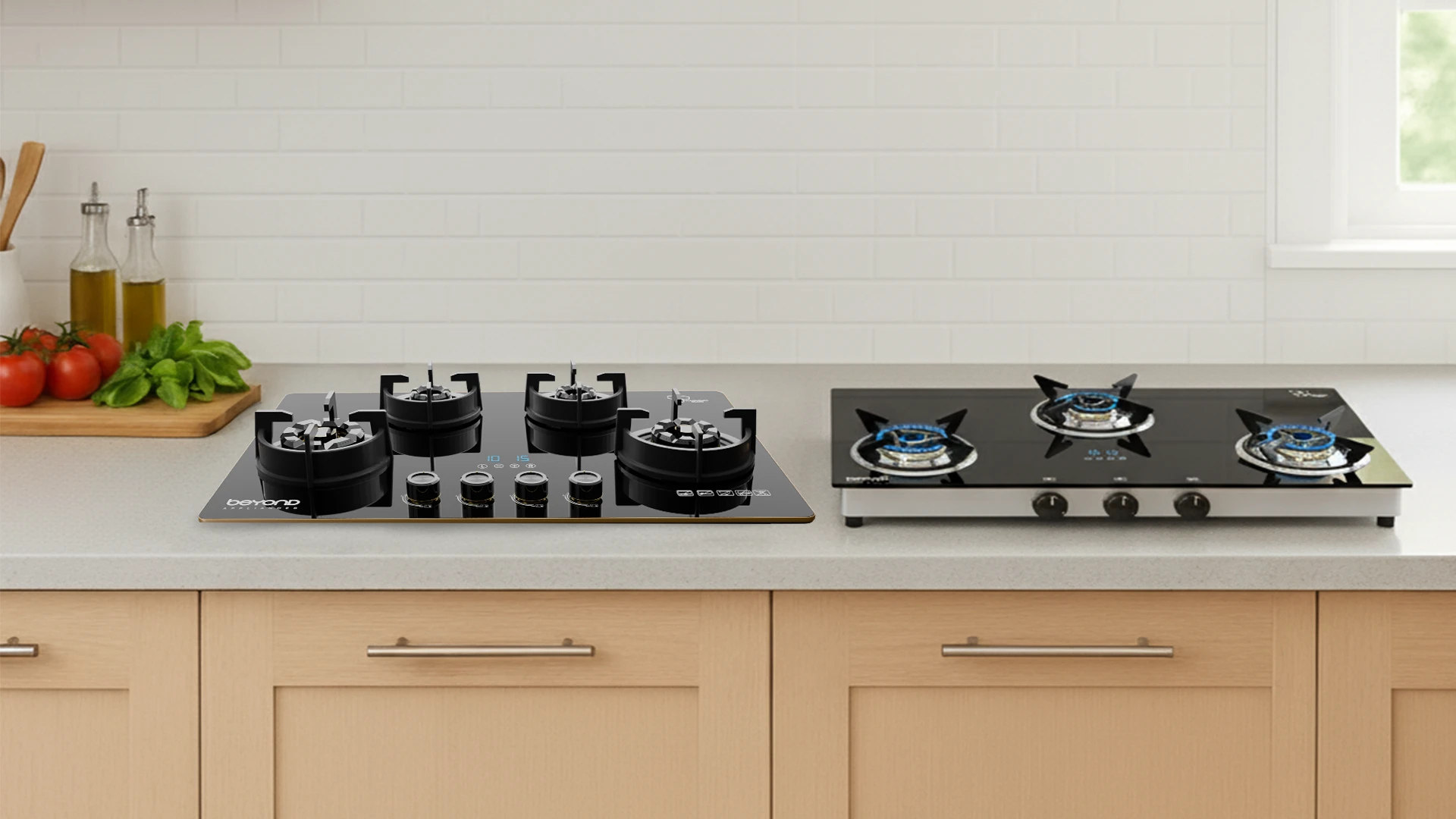
Glass hobtops have revolutionized modern kitchens with their sleek design and efficient cooking capabilities. However, many home cooks wonder about the safety implications of extended cooking sessions on these elegant surfaces. Understanding how continuous cooking affects your glass hobtop is crucial for maintaining both safety and appliance longevity. The relationship between heat exposure and glass cooktop durability involves complex thermal dynamics that every kitchen enthusiast should comprehend. Modern glass cooking surfaces are engineered to withstand significant temperature variations, but like any appliance, they have operational limits that require respect and understanding.
Glass hobtops utilize advanced ceramic-glass materials designed specifically for cooking applications. These surfaces feature exceptional thermal conductivity and resistance to temperature fluctuations. The glass hobtop safety mechanisms built into modern units include thermal sensors, automatic shut-off features, and heat distribution systems that prevent dangerous hot spots. The technology behind these cooking surfaces varies significantly between different types. Induction hobtops use electromagnetic fields to heat cookware directly, while radiant models transfer heat through electric elements beneath the glass. Each system presents unique considerations for continuous cooking scenarios.
Effective heat distribution prevents localized stress points that could compromise the glass integrity. Quality hobtops feature multiple heating zones with independent temperature controls, allowing for varied cooking intensities across the surface. This design minimizes thermal stress during extended cooking sessions.
Contemporary smart cooking hob models incorporate sophisticated safety systems. These include residual heat indicators, child safety locks, and automatic power reduction during prolonged operation. Understanding these features helps maximize both safety and cooking efficiency.
Thermal cycling represents the primary concern when discussing continuous cooking risks on glass hobtops. Every heating and cooling cycle creates microscopic stress within the glass structure. While modern ceramic-glass materials are remarkably resilient, repeated thermal expansion and contraction can eventually lead to fatigue. The critical factor is not necessarily the duration of cooking, but rather the rate and magnitude of temperature changes. Gradual temperature transitions pose minimal risk, while sudden thermal shocks can cause immediate damage. Understanding this principle helps inform safe cooking practices.
Most glass cooking surfaces can safely handle temperatures up to 700°C without immediate damage. However, sustained exposure to maximum temperatures can accelerate wear patterns. The cooking surface durability depends heavily on maintaining temperatures within optimal ranges during extended use.
Cumulative thermal stress builds gradually through repeated heating cycles. This process is natural and expected, but excessive continuous cooking can accelerate the timeline. Professional-grade glass hobtops typically feature enhanced thermal resistance for commercial applications requiring extended use.
Short-term effects of continuous cooking rarely cause permanent hobtop damage when proper techniques are employed. Immediate concerns include surface discoloration, temporary thermal expansion, and increased energy consumption. These effects typically resolve once the surface cools completely. Long-term implications require more careful consideration. Extended high-temperature exposure can gradually weaken the glass matrix, potentially reducing the overall glass cooktop lifespan. However, quality appliances are designed to withstand normal cooking patterns, including occasional extended sessions.
Recognizing early warning signs helps prevent serious damage. These include persistent discoloration, unusual crackling sounds during heating, or uneven heat distribution patterns. Any visible cracks or chips require immediate attention regardless of their apparent size.
Gradual performance degradation may manifest as slower heating times, uneven temperature distribution, or increased energy consumption. These changes often indicate accumulated thermal stress rather than immediate safety concerns.
Efficient hobtop cooking techniques can significantly extend appliance lifespan while maintaining safety standards. The key lies in understanding optimal temperature management and cooking duration guidelines. Professional chefs often employ interval cooking methods for extended meal preparation, allowing brief cooling periods between intensive cooking phases. Proper cookware selection plays a crucial role in protecting glass surfaces during continuous cooking. Flat-bottomed pans with smooth surfaces distribute heat evenly and reduce localized stress points. Heavy-gauge cookware maintains consistent temperatures, reducing the need for frequent heat adjustments.
Maintaining moderate temperatures during extended cooking sessions protects both the hobtop and food quality. Using medium heat settings for longer periods often proves more effective than high-temperature cooking for brief intervals. This approach reduces thermal stress while achieving excellent cooking results.
While glass hobtops can handle continuous operation, implementing strategic breaks during marathon cooking sessions benefits both appliance longevity and energy efficiency. Consider 15-minute cooling periods after every 2-3 hours of intensive cooking.
Glass cooktop care extends far beyond simple cleaning routines. Proper maintenance involves understanding the relationship between surface condition and thermal performance. Scratches, stains, or residue buildup can create hot spots that increase stress during continuous cooking. Daily maintenance should include gentle cleaning with appropriate products and tools. Avoid abrasive cleaners or scrubbing pads that could compromise the surface integrity. Regular inspection for chips, cracks, or other damage helps identify potential safety concerns before they become serious problems.
Implementing protective strategies during long cooking sessions helps maintain optimal performance. These include using appropriate cookware sizes, avoiding empty pan heating, and ensuring adequate ventilation around the cooking area.
Annual professional inspections can identify potential issues before they affect safety or performance. Hobtop maintenance services typically include electrical system checks, surface condition assessment, and safety feature verification.
Induction cooktop safety and general glass hobtop safety protocols should address both immediate and long-term risks. Emergency procedures for overheating situations include immediate power disconnection and allowing natural cooling without forced air circulation. Recognizing warning signs helps prevent dangerous situations. These include unusual odors, visible smoke, or abnormal sounds during operation. Any of these symptoms warrant immediate cessation of cooking activities and professional evaluation.
Extended cooking sessions require enhanced child safety measures. Hot surface indicators remain active long after cooking completion, and residual heat can persist for extended periods. Implementing physical barriers and education helps prevent accidental contact.
Establishing clear emergency protocols ensures appropriate responses to potential problems. This includes knowing electrical shut-off locations, having appropriate fire suppression methods available, and understanding when professional assistance is required.
Continuous cooking does not typically cause permanent damage when proper techniques are employed. Modern glass hobtops are designed to handle extended use, but following manufacturer guidelines and implementing strategic cooling periods helps maximize lifespan.
Most glass hobtops can safely operate continuously for several hours. However, implementing 15-minute breaks every 2-3 hours during intensive cooking helps reduce thermal stress and extends appliance longevity.
Warning signs include visible cracks, persistent discoloration, uneven heating patterns, or unusual sounds during operation. Any of these symptoms warrant professional inspection to assess potential damage.
Thermal shock typically results from rapid temperature changes rather than extended cooking duration. Gradual temperature transitions during continuous cooking pose minimal risk when proper techniques are employed.
Flat-bottomed, heavy-gauge cookware with smooth surfaces provides optimal heat distribution and reduces stress on glass hobtops during extended cooking sessions. Avoid warped or damaged cookware that could create hot spots.
Annual professional inspections help identify potential issues before they affect safety or performance. More frequent servicing may be necessary for heavily used appliances or those showing signs of wear.
Continuous cooking on glass hobtops is generally safe when proper techniques and precautions are employed. Understanding the thermal dynamics of glass cooking surfaces helps inform smart cooking practices that protect both safety and appliance longevity. Regular maintenance, appropriate cookware selection, and strategic temperature management significantly reduce risks associated with extended cooking sessions. Modern glass hobtops incorporate sophisticated safety features designed to handle intensive use, but respecting operational limits ensures optimal performance for years to come.
