
Gas vs Electric Stove: The Ultimate Showdown
Cart
Your cart is empty
Choosing between a gas stove and an electric stove can feel overwhelming. Both options have their unique advantages and drawbacks. Your cooking style, budget, and kitchen setup all play important roles in this decision. This comprehensive guide breaks down everything you need to know about gas vs electric cooktop options. We'll explore cooking performance, costs, safety features, and maintenance needs. By the end, you'll have clear insights to make the best choice for your kitchen.
The gas stove vs electric stove debate comes down to several key factors. Gas stoves offer instant heat control and work during power outages. Electric stoves provide consistent heating and easier cleaning. Here's what matters most in your decision.
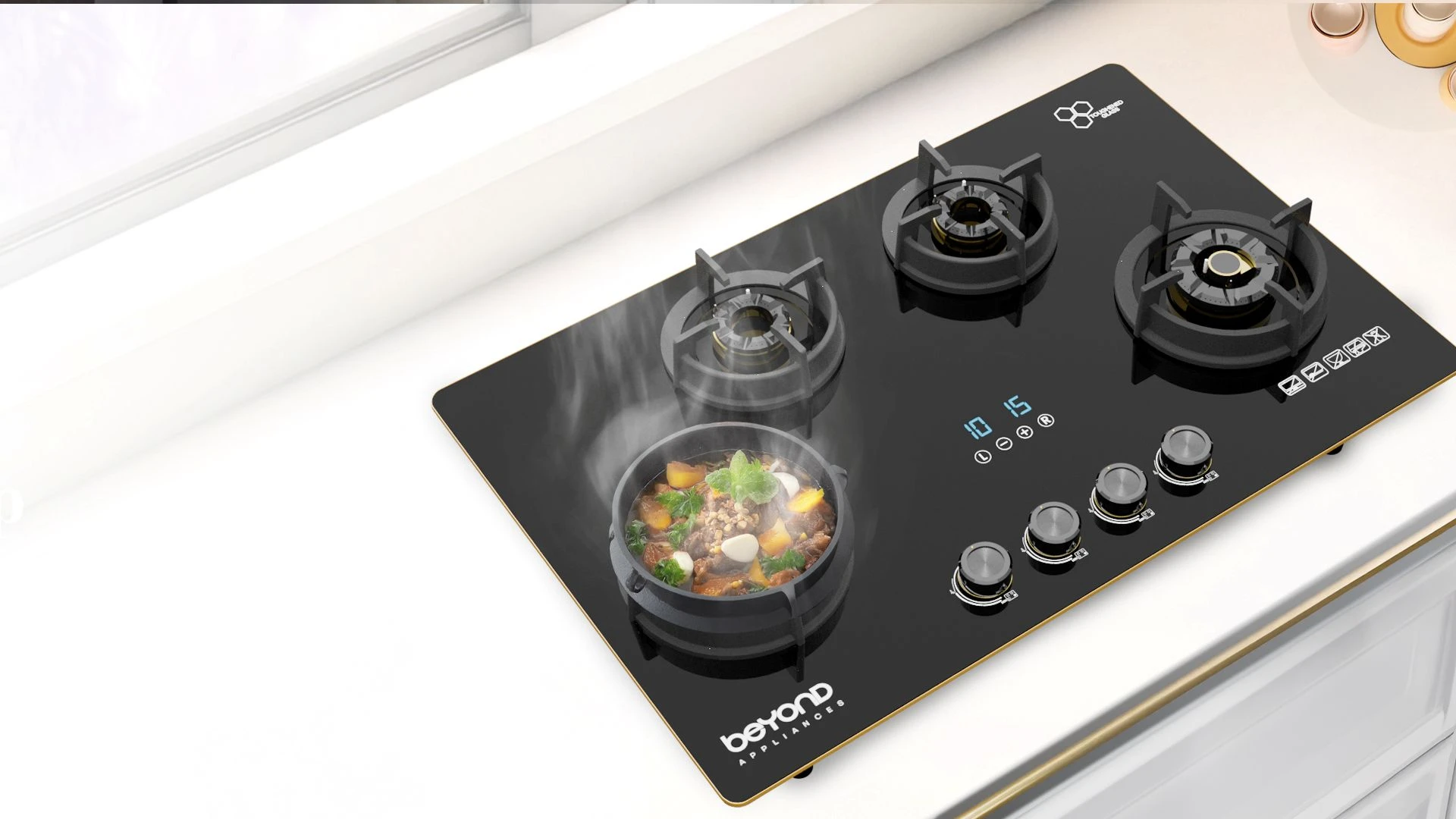
Gas stoves use open flames for immediate heat response. They require a gas line connection and proper ventilation. Electric stoves use metal heating elements or smooth glass tops. They need adequate electrical supply and take longer to heat up.
Heat control differs significantly between these options. Gas provides instant flame adjustment with visual feedback. Electric offers steady, consistent temperatures once heated. Professional chefs often prefer gas for its responsiveness.
Cooking performance varies greatly between gas and electric options. Your cooking style and preferences will determine which works better for you. Both types have evolved significantly with modern technology.
Gas stoves excel in heat control. You can adjust flames instantly and see the changes immediately. This makes techniques like searing and sautéing much easier. Electric stoves take time to heat up and cool down. However, they maintain consistent temperatures once stabilized.
Gas typically heats faster than traditional electric coils. The open flame transfers heat directly to cookware. Electric stoves distribute heat more evenly across the cooking surface. Induction vs electric stove technology offers the fastest heating among electric options.
Cost considerations include both upfront and ongoing expenses. The best type of stove for your budget depends on local utility rates and usage patterns. Installation costs can vary significantly between options.
Gas stoves typically cost INR 15,000 to INR 80,000 for quality models. Electric stoves range from INR 12,000 to INR 1,00,000 depending on features. Installation costs add INR 3,000 to INR 15,000 for gas lines or electrical work.
Monthly operating costs depend on local utility rates. Gas is often cheaper per unit of energy than electricity. Energy efficient stoves in both categories can reduce long-term costs. Electric models may qualify for energy rebates in some areas.
Every cooking appliance comparison reveals trade-offs between convenience and performance. Understanding these helps you prioritize what matters most in your kitchen. Both options have improved significantly in recent years.
Pros of gas stoves include: • Instant heat control and adjustment • Works during power outages • Preferred by professional chefs • Lower operating costs in most areas • Visual flame indication Cons of gas stoves include: • Safety risks from gas leaks • Requires professional installation • Indoor air quality concerns • More difficult to clean • Need adequate ventilation
Pros of electric stoves include: • Safer operation with no open flames • Easier to clean flat surfaces • More consistent oven performance • No gas leak risks • Better for baking and roasting Cons of electric stoves include: • Slower heat response time • Higher electricity costs • Doesn't work during power outages • Less precise temperature control • Takes longer to cool down
Safety should be a top priority in any stove buying guide. Both gas and electric options have specific safety considerations. Modern safety features have improved significantly across both types.
Gas stoves require proper ventilation to prevent carbon monoxide buildup. Regular maintenance checks for gas leaks are essential. Open flames pose burn risks and fire hazards. Professional installation ensures proper safety compliance.
Electric stoves eliminate gas leak risks entirely. Modern models include residual heat indicators and automatic shut-off features. Child safety locks prevent accidental activation. Proper electrical installation prevents shock hazards.
Your cooking habits should guide your stove selection. Professional cooking techniques favor different features than casual meal preparation. Smart cooking appliances now offer advanced features in both categories.
Serious cooks often prefer gas for its instant response and precise control. High-heat techniques like stir-frying work better with gas flames. Professional-grade features are more common in gas ranges.
Families often prioritize safety and ease of cleaning. Electric stoves offer consistent results for everyday cooking. Flat-top electric models are easier to maintain and safer around children.
Stove top reviews often mention installation complexity as a key factor. Gas stoves require professional installation and ongoing maintenance. Electric stoves are generally easier to install and maintain.
Gas line installation requires licensed professionals. Proper ventilation systems are mandatory for safety. Regular inspections ensure continued safe operation. Conversion from electric may require significant modifications.
Electric stoves need adequate electrical capacity, typically 240V circuits. Installation is often simpler than gas connections. Cleaning flat-top electric surfaces is straightforward. Replacement parts are widely available.
Gas stoves offer better heat control and faster response times. Electric stoves provide more consistent temperatures and easier cleaning. The best choice depends on your cooking style and priorities.
Operating costs vary by region and utility rates. Gas is typically cheaper per unit of energy. However, electric stoves may be more energy efficient overall.
Switching is possible but may require significant modifications. Gas-to-electric conversion needs electrical upgrades. Electric-to-gas requires gas line installation and ventilation systems.
Electric stoves are generally considered safer due to no open flames or gas leak risks. Modern safety features make both options relatively safe when properly maintained.
Induction cooktops heat faster and more efficiently than traditional electric coils. They offer precise temperature control similar to gas. However, they require compatible magnetic cookware.
Choosing between gas and electric stoves depends on your specific needs and circumstances. Gas stoves excel in heat control and cooking performance. Electric stoves offer safety and convenience advantages. Consider your cooking style, budget, and kitchen infrastructure when making this important decision. Both options can serve you well with proper selection and maintenance.
