

Essential Chimney Spare Parts Checklist: DIY Guide
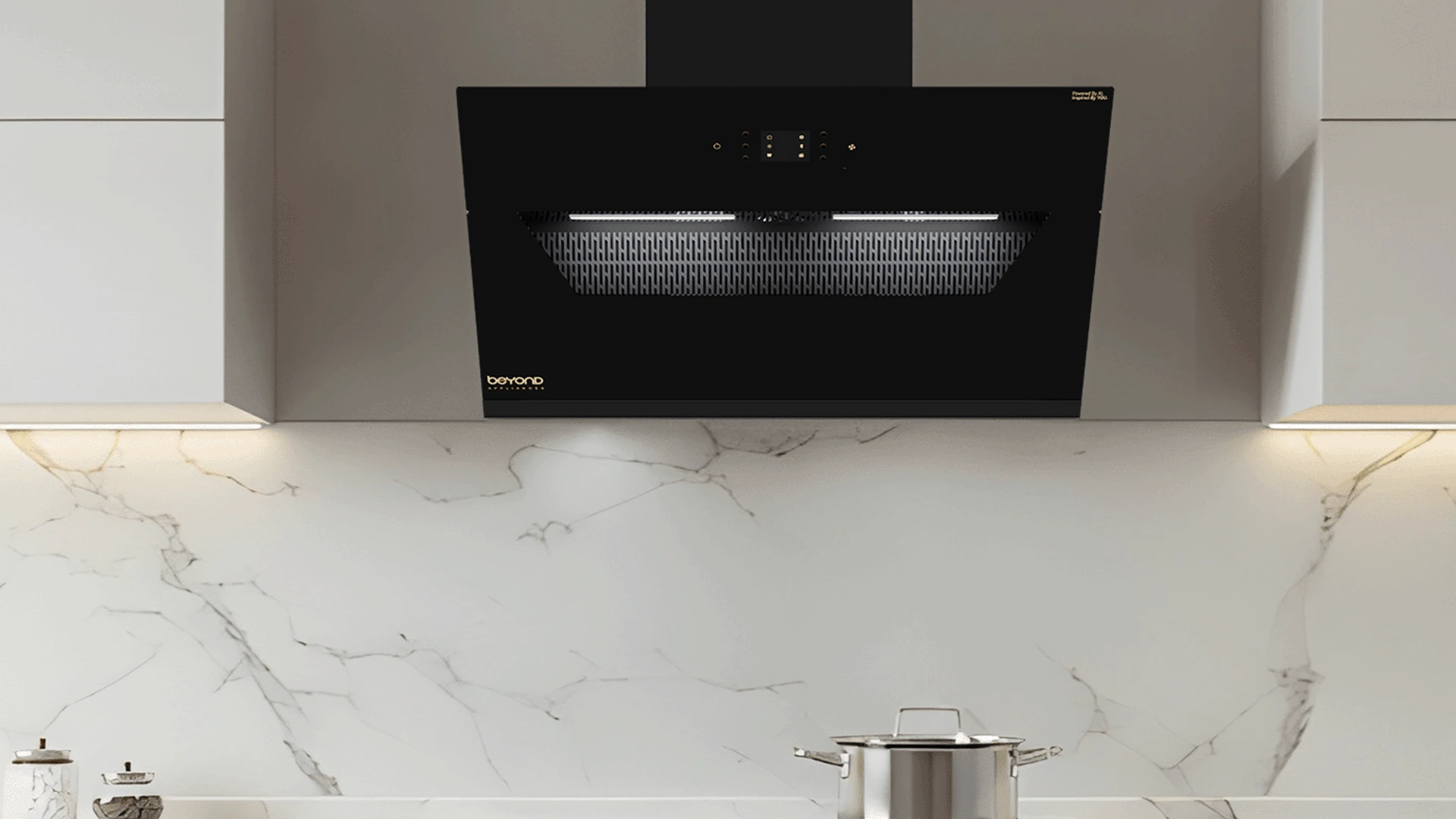
Kitchen chimneys have become essential appliances in modern Indian homes, efficiently managing smoke, grease, and odors from daily cooking. However, like any sophisticated appliance, chimneys require regular maintenance and occasional part replacements to maintain optimal performance. Understanding the core components and having the right spare parts on hand can save you time, money, and ensure your cooking experience remains pleasant. This comprehensive guide will walk you through essential chimney spare parts, helping you make informed decisions about maintenance and repairs while keeping your kitchen environment clean and comfortable.
Every kitchen chimney consists of several interconnected systems that work together to provide effective smoke extraction. Modern chimneys feature advanced technology including 1600 CMH suction capabilities designed specifically for Indian cooking styles, along with innovative 3D suction technology that prevents smoke escape through three directional suction vents. Understanding these components helps you identify which parts might need replacement and when.
The motor assembly drives the entire suction system, typically operating at high speeds to achieve powerful extraction rates. Quality motors feature dry heat auto clean technology that melts jammed oil and particles, collecting them in easily cleanable trays. This component usually lasts 5-7 years with proper maintenance.
Modern chimneys often feature filterless designs that eliminate traditional mesh filters, reducing maintenance requirements. However, some models still use baffle filters or mesh systems that require regular cleaning and eventual replacement. Understanding your specific filtration system helps determine appropriate spare parts.
Advanced chimneys include sophisticated control systems with touch & button control panels and infotainment screens featuring popular OTT apps. The continuum display technology ensures heat resistance and easy cleaning. These electronic components are crucial for proper operation and user interaction.
Maintaining a well-stocked inventory of essential chimney parts ensures quick repairs and minimal downtime. Smart homeowners keep critical components readily available, especially for high-usage kitchens where chimney performance directly impacts cooking comfort and air quality.
• Motor assemblies and blower components (INR 2,500-4,500) • Filter systems and oil collection trays (INR 300-800) • Control boards and touch panels (INR 1,500-3,000) • LED lighting systems with 2 x 3W LED lights (INR 200-500) • Wiring harnesses and electrical connections (INR 150-400) • Mounting brackets and support hardware (INR 200-600)
Certain parts require regular replacement based on usage patterns. Oil collection trays need frequent cleaning, while filters may require replacement every 6-12 months depending on cooking frequency and food types prepared.
Keep basic repair components like screws, gaskets, and electrical connectors for immediate fixes. These small parts often prevent major breakdowns and extend overall appliance lifespan.
Electric chimneys incorporate sophisticated electronic systems that require specific technical knowledge for proper maintenance. Understanding these components helps identify compatibility issues and ensures appropriate replacement part selection.
The printed circuit board controls all electronic functions including auto turn off features, speed controls, and display management. Quality PCB boards typically cost between INR 1,500-3,000 and should be sourced from authorized dealers to ensure compatibility.
Chimney motors must match specific voltage, speed, and mounting requirements. Modern units often feature variable speed controls and energy-efficient designs that require precise replacement specifications.
Touch sensors, speed control switches, and safety sensors ensure proper operation and user safety. These components work together with dual speakers systems in advanced models to provide comprehensive functionality.
Determining whether to repair or replace chimney components requires careful evaluation of cost, safety, and long-term reliability factors. Many homeowners can handle basic maintenance tasks, while complex electrical work should remain with qualified technicians.
Start with visual inspection of obvious problems like damaged filters, loose connections, or worn mounting hardware. Check electrical connections and test basic functions before assuming major component failure.
Replace individual components when repair costs exceed 60% of replacement cost. Consider appliance age, warranty status, and availability of compatible parts when making decisions.
Electrical work, gas connections, and structural mounting require professional expertise. Never attempt repairs involving electrical panels or gas line modifications without proper training and certification.
Regular maintenance significantly extends component lifespan while maintaining optimal performance. Establishing consistent maintenance routines prevents costly repairs and ensures reliable operation during heavy cooking periods.
Inspect filters, clean oil collection trays, check electrical connections, and test all control functions. Document any unusual noises, vibrations, or performance changes for early problem detection.
Different components require varying cleaning frequencies. External surfaces need weekly cleaning, while internal components may require monthly or quarterly attention depending on usage patterns.
Essential parts include the motor assembly, filtration system, control panel, LED lighting, oil collection tray, and mounting hardware. Modern chimneys also feature advanced components like infotainment screens and auto-clean systems.
Chimney PCB boards typically cost between INR 1,500-3,000, depending on features and brand. Advanced boards with touchscreen controls and smart features may cost more.
Replace mesh filters every 6-12 months or when they show significant grease buildup that cleaning cannot remove. Baffle filters last longer but should be inspected monthly.
Check your chimney's model number, manufacturing date, and specifications. Contact authorized dealers or refer to user manuals for exact part numbers and compatibility information.
Basic tools include screwdrivers, pliers, multimeter for electrical testing, cleaning supplies, and safety equipment. Avoid electrical work without proper training.
Maintaining your kitchen chimney requires understanding its components, keeping essential spare parts available, and following regular maintenance schedules. While many basic repairs can be handled independently, complex electrical and structural work should remain with qualified professionals. Investing in quality spare parts and preventive maintenance ensures reliable performance and extends your chimney's lifespan, making your cooking experience more enjoyable and your kitchen environment healthier.
