

Essential Checklist: Smart Kitchen Design in India
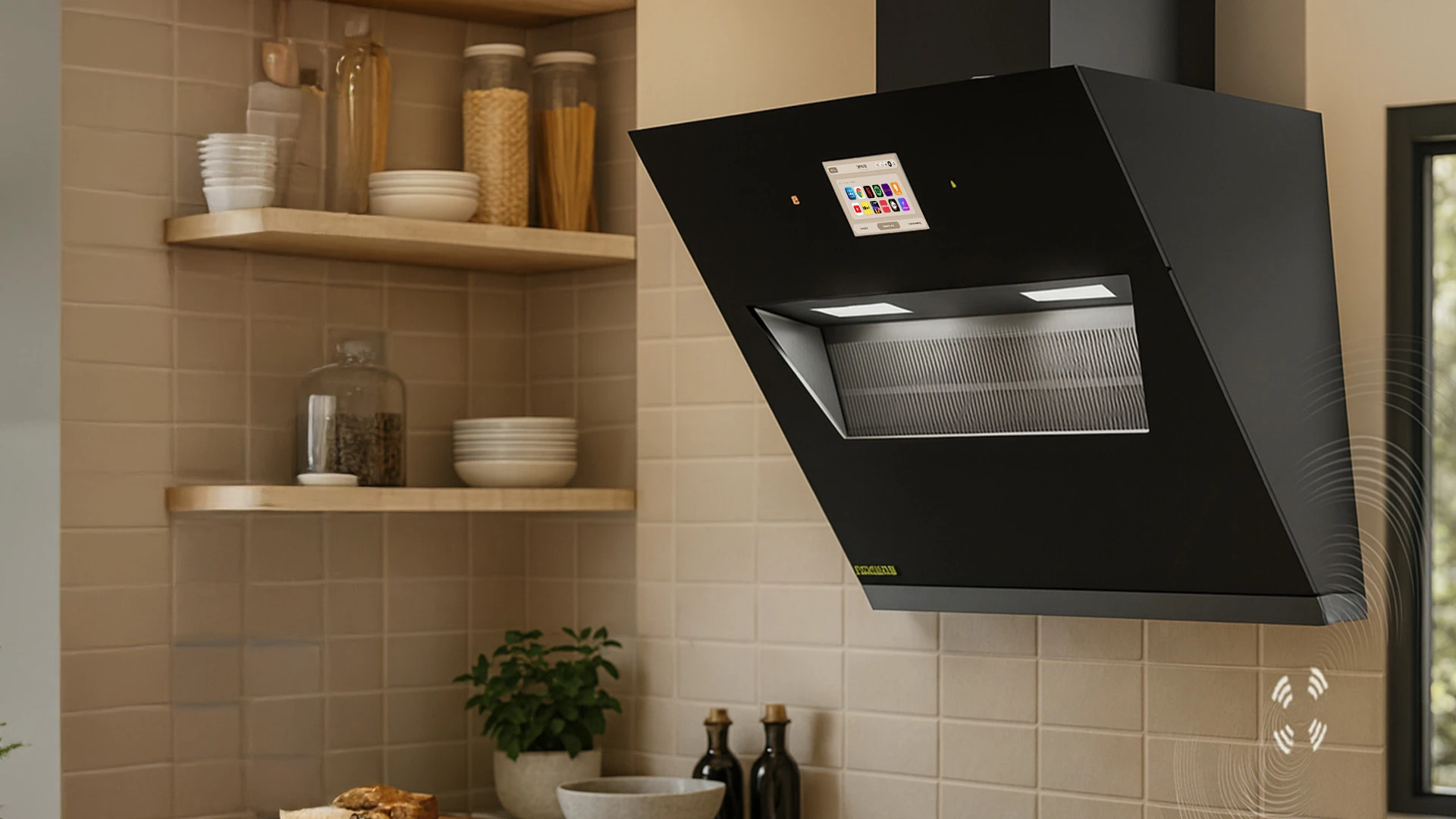
Modern Indian kitchens are evolving rapidly, blending traditional cooking needs with cutting-edge technology. The smart kitchen trends India is witnessing today reflect a perfect balance between functionality and innovation. From voice-controlled appliances to automated storage solutions, Indian homeowners are embracing smart technology to create more efficient, convenient, and enjoyable cooking spaces. Whether you're planning a complete kitchen renovation or looking to upgrade your existing setup, understanding these trends will help you make informed decisions that enhance your daily cooking experience while adding value to your home.
The smart kitchen trends India market is experiencing unprecedented growth, with homeowners increasingly adopting technology-driven solutions. Modular kitchen trends now emphasize seamless integration of smart appliances with contemporary design elements.
Voice assistants are becoming central to modern Indian kitchens. Smart chimneys with voice control allow hands-free operation while cooking, making it easier to adjust ventilation without interrupting meal preparation.
Sleek, handleless cabinets with push-to-open mechanisms create clean lines and reduce maintenance. These designs work particularly well in compact Indian apartments where every inch of space matters.
Matte finishes on cabinets and countertops are gaining popularity for their sophisticated appearance and practical benefits. They hide fingerprints and water spots better than glossy surfaces, making them ideal for busy Indian kitchens.
Selecting the right modern kitchen appliances can transform your cooking experience while addressing the unique requirements of Indian cuisine. Kitchen automation systems are becoming more accessible and affordable for Indian households.
Advanced chimneys with auto-clean functions and gesture controls are essential for Indian cooking. T-shaped and curved chimneys offer superior suction power for heavy-duty cooking, while ductless options work well in apartments with ventilation constraints.
Smart hobtops and cooktops with precise temperature control help achieve consistent results. Induction cooktops with preset cooking modes for Indian dishes like dal, rice, and rotis make cooking more convenient and energy-efficient.
Built-in ovens with convection and microwave functions save counter space while offering versatility. These appliances often feature Indian cooking presets, making them more relevant for local cooking needs.
Creating efficient kitchen layouts requires understanding Indian cooking workflows and family dynamics. Ergonomic kitchen design principles must accommodate multiple users and diverse cooking activities.
The classic work triangle between sink, stove, and refrigerator needs adaptation for Indian cooking. Consider the frequent movement between spice storage, cooking area, and prep space when planning your layout.
Divide your kitchen into specific zones: preparation, cooking, cleaning, and storage. This approach works particularly well for joint families where multiple people may use the kitchen simultaneously.
Small kitchen design ideas focus on vertical storage and multi-purpose surfaces. Pull-out counters and foldable breakfast bars maximize functionality without compromising floor space.
Kitchen storage solutions in smart kitchens go beyond traditional cabinets to include automated and space-optimizing features. Modern smart kitchen design India emphasizes accessibility and organization.
Motorized pull-down shelves bring high storage within easy reach. These systems are particularly useful for storing items used less frequently, maximizing vertical space utilization.
Dedicated spice storage with clear labeling and easy access is crucial for Indian kitchens. Drawer-based spice organizers with adjustable compartments accommodate various container sizes.
Corner spaces often go unused in traditional kitchens. Magic corners and carousel systems make these areas accessible and functional, significantly increasing storage capacity.
Implementing kitchen automation systems requires careful planning to ensure seamless operation. The latest kitchen technology offers solutions that adapt to Indian cooking habits and preferences.
Motion-sensor lighting automatically illuminates work areas when needed. Under-cabinet LED strips provide task lighting that adjusts based on time of day and activity.
Smart ventilation systems detect cooking activity and adjust fan speed accordingly. This automation ensures optimal air quality while minimizing energy consumption.
Many modern appliances offer smartphone connectivity, allowing remote monitoring and control. This feature is particularly useful for busy professionals who want to start cooking preparations before reaching home.
Indian kitchen interiors are embracing contemporary design elements while maintaining cultural relevance. The focus is on creating spaces that are both beautiful and highly functional.
Neutral tones with accent colors create timeless appeal. Warm whites, soft grays, and natural wood tones provide a sophisticated backdrop for colorful Indian ingredients and cookware.
Quartz countertops offer durability and low maintenance, essential for Indian cooking. Natural wood cabinets bring warmth, while glass backsplashes are easy to clean after oil-heavy cooking.
Combining open shelving with closed storage creates visual interest while maintaining functionality. Display attractive serving pieces while keeping everyday items organized behind closed doors.
Creating a smart kitchen doesn't require a complete overhaul. Strategic upgrades can deliver significant improvements within reasonable budgets for middle-class Indian families.
Start with essential smart appliances like chimneys and cooktops, then gradually add automation features. This approach spreads costs over time while delivering immediate benefits.
Smart switches and sensors can automate lighting and ventilation at relatively low costs. These upgrades provide convenience without requiring major appliance replacements.
Indian manufacturers now offer smart appliances designed for local needs at competitive prices. Consider warranty, service support, and spare parts availability when making decisions.
Smart kitchen renovations in India typically range from INR 2-8 lakhs, depending on size, appliances, and automation level. Basic smart upgrades can start from INR 50,000-1 lakh.
Smart chimneys, induction cooktops, and built-in ovens offer the most value for Indian cooking. These appliances address specific needs like ventilation, energy efficiency, and versatile cooking methods.
Focus on vertical storage, multi-functional appliances, and space-saving layouts. Use pull-out systems, wall-mounted storage, and compact smart appliances designed for small spaces.
Smart appliances require regular software updates, sensor cleaning, and professional servicing. Most manufacturers provide comprehensive maintenance packages for optimal performance.
Consider your cooking style, kitchen layout, and ventilation options. T-shaped chimneys work well for heavy cooking, while curved designs suit modern aesthetics. Ductless options are ideal for apartments with limited external venting.
Smart kitchen design in India requires balancing technology with traditional cooking needs. Focus on appliances and systems that enhance your daily cooking experience while providing long-term value. Start with essential upgrades like efficient chimneys and smart cooktops, then gradually add automation features. Remember that the best smart kitchen is one that adapts to your family's cooking patterns and lifestyle, making meal preparation more enjoyable and efficient.
