

Essential Checklist: Smart Hob Benefits Unveiled
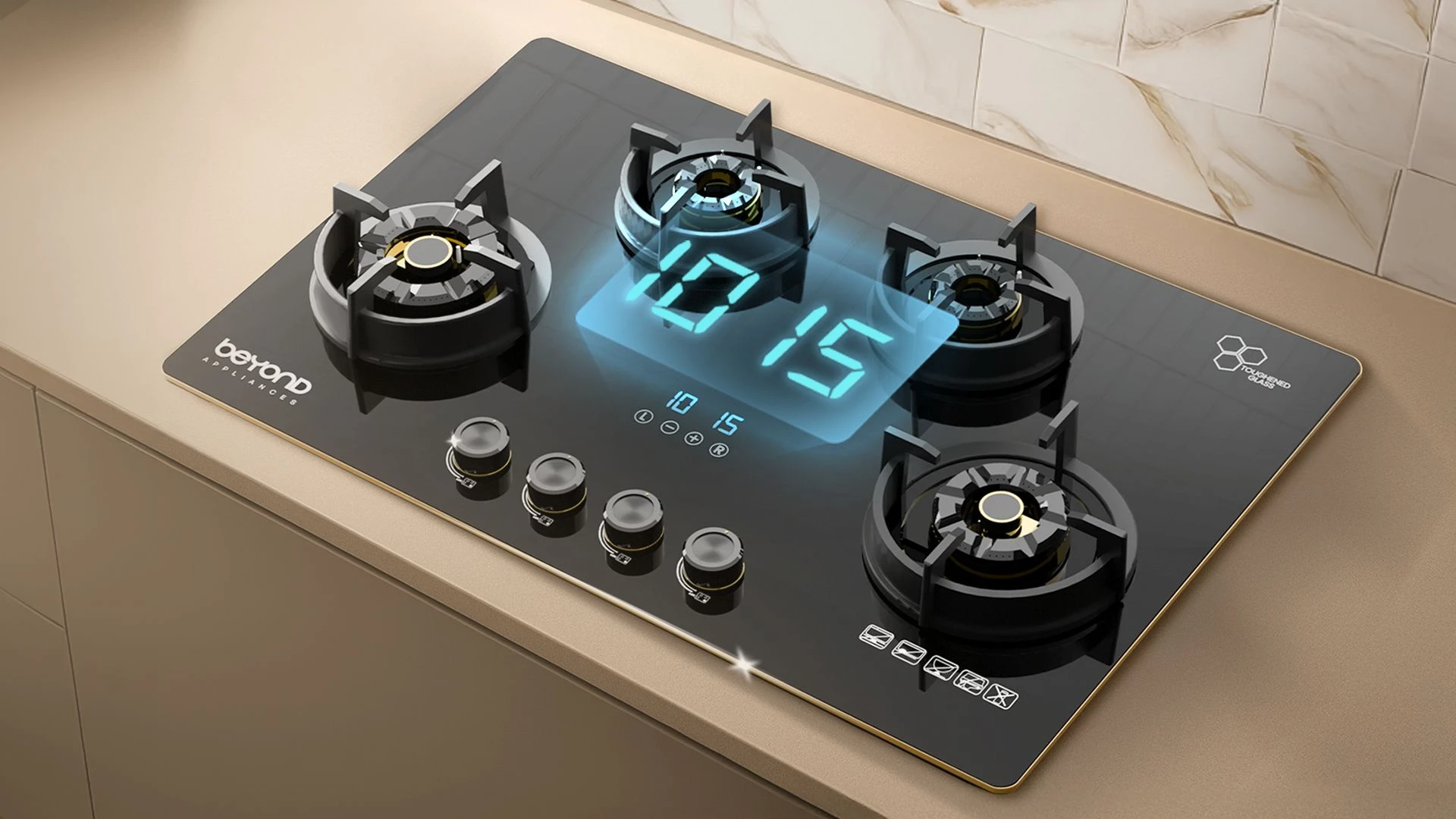
Modern kitchens are evolving rapidly, and smart hobs represent one of the most significant advances in cooking technology. These innovative appliances combine traditional cooking functionality with cutting-edge digital features, offering unprecedented control and convenience. Smart hobs integrate seamlessly with today's connected homes, providing benefits that extend far beyond basic cooking needs. From precise temperature control to energy efficiency, these advanced cooking surfaces are transforming how we prepare meals and manage our kitchens.
Smart hobs represent a fundamental shift from traditional cooking methods to intelligent, connected cooking surfaces. These advanced appliances utilize sophisticated sensors, digital controls, and connectivity features to deliver superior cooking performance. Unlike conventional hobs that rely on basic heat settings, smart hob features include precise temperature monitoring, automatic adjustments, and real-time feedback systems.
The evolution from traditional to smart cooking surfaces reflects changing consumer demands for convenience, efficiency, and safety. Modern hob technology incorporates induction heating, touch controls, and smartphone connectivity to create a seamless cooking experience. Market adoption has accelerated as homeowners recognize the long-term value and enhanced functionality these appliances provide.
The benefits of smart hob technology extend across multiple aspects of cooking and kitchen management. These advanced appliances offer significant improvements in precision, efficiency, safety, and convenience compared to traditional cooking methods.
Precision cooking hob technology delivers exact temperature settings that maintain consistent heat levels throughout the cooking process. Advanced sensors monitor surface temperature continuously, making automatic adjustments to ensure optimal cooking conditions. This level of control enables professional-grade results in home kitchens, allowing for delicate techniques like tempering chocolate or maintaining perfect simmering temperatures.
Energy efficient hob designs significantly reduce power consumption compared to traditional cooking methods. Induction technology transfers heat directly to cookware, achieving up to 90% energy efficiency versus 40-50% for gas hobs. Efficient cooking hobs can reduce monthly utility bills by 20-30%, providing substantial long-term savings that offset initial investment costs.
Smart hobs incorporate multiple safety mechanisms including automatic shut-off systems, child locks, and overheating prevention. Surface temperature indicators provide visual warnings when cooking zones remain hot after use. These safety features significantly reduce the risk of accidents and burns, making kitchens safer for families with children.
Connected cooktops enable smartphone app integration for remote monitoring and control. Users can adjust settings, receive notifications, and monitor cooking progress from anywhere in the home. Hob with smart controls often includes voice command compatibility, allowing hands-free operation during busy cooking sessions.
Induction hob benefits become apparent when comparing performance metrics against traditional cooking methods. Smart induction hobs heat cookware 50% faster than gas alternatives while maintaining precise temperature control throughout the cooking process.
Energy consumption analysis reveals significant differences in efficiency. Benefits of induction cooking include reduced heat loss, faster cooking times, and lower overall energy usage. Maintenance requirements are minimal due to smooth, easy-to-clean surfaces that resist staining and scratching. Safety comparisons show dramatic improvements in burn prevention and fire risk reduction.
Smart hob features vary across models, but certain capabilities provide universal benefits for home cooks. Touch controls and digital displays offer intuitive operation with precise setting adjustments. Modern hob technology includes multiple cooking zones with independent temperature control for simultaneous meal preparation.
Key features to prioritize include:
Automatic pan detection for optimal energy usage
Bridge function capabilities for large cookware
Memory settings for frequently used cooking programs
Timer functions with automatic shut-off
Boost settings for rapid heating when needed
Connected cooktops require specific electrical requirements and proper installation for optimal performance. Most smart hobs need dedicated electrical circuits with appropriate amperage ratings. Kitchen design compatibility should account for ventilation requirements and countertop specifications.
Smart home ecosystem integration allows coordination with other connected appliances and home automation systems. Professional installation ensures proper electrical connections and warranty compliance, though some models offer simplified DIY installation options for experienced homeowners.
Hobs offer superior flexibility and modern features compared to traditional stoves. Smart hobs provide precise control, energy efficiency, and safety features that surpass conventional stove capabilities.
Induction hobs offer faster heating, precise temperature control, energy efficiency, and enhanced safety. They heat cookware directly, reducing energy waste and providing instant response to setting changes.
Smart induction hobs are the most efficient, converting up to 90% of energy directly to heat. This efficiency significantly exceeds gas hobs (40-50%) and traditional electric hobs (65-70%).
Smart hobs include automatic shut-off, child locks, overheating prevention, and surface temperature indicators. These features dramatically reduce accident risks compared to traditional cooking methods.
Prioritize precision temperature control, energy efficiency ratings, safety features, and connectivity options that match your cooking style and smart home setup.
Yes, smart hobs provide long-term value through energy savings, improved safety, and enhanced cooking capabilities that benefit cooks of all skill levels.
The advantages of smart cooking extend beyond immediate convenience to encompass long-term value, safety, and culinary excellence. Smart hobs represent a worthwhile investment for homeowners seeking to modernize their kitchens while improving cooking efficiency and safety. The combination of energy savings, precise control, and advanced features makes these appliances essential components of contemporary kitchen design. Consider your cooking habits, budget, and smart home integration needs when selecting the ideal smart hob for your kitchen.
