

Essential Checklist: Smart Chimney vs Smart Hood
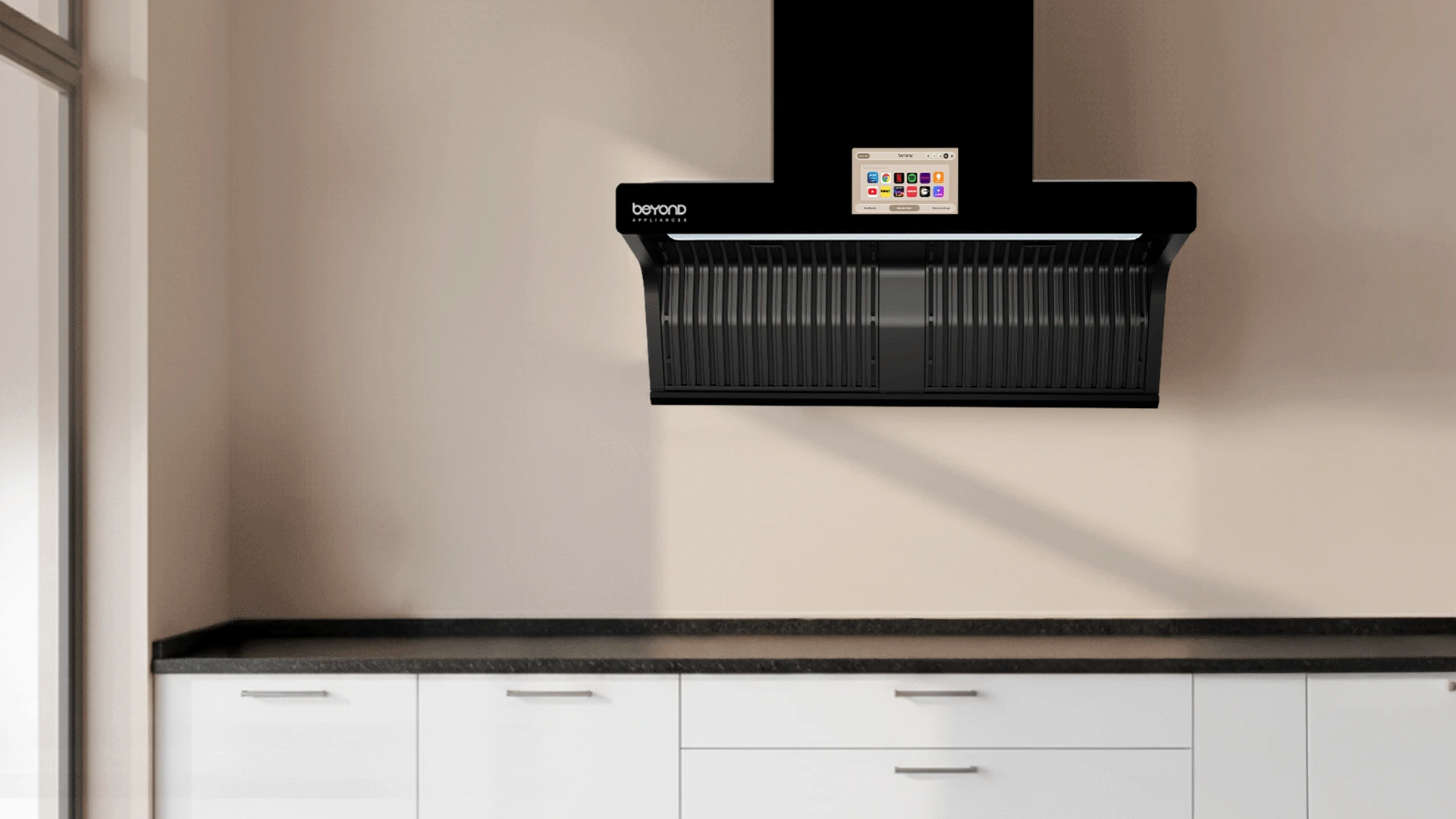
Choosing the right kitchen ventilation system can transform your cooking experience. Smart chimneys and smart hoods both offer advanced features, but they serve different needs and kitchen layouts. Understanding their unique capabilities helps you make an informed decision that matches your cooking habits, kitchen design, and budget. Modern smart ventilation systems go beyond basic smoke removal—they integrate with your smart home, monitor air quality, and provide entertainment features that make cooking more enjoyable.
Smart chimneys and smart hoods represent the evolution of traditional kitchen ventilation into intelligent, connected appliances. A smart chimney typically features a larger, more powerful design with advanced suction capabilities, while a smart hood offers a compact, space-saving solution with integrated technology. The core difference lies in their design philosophy and installation requirements. Smart chimneys usually require ducting and offer higher suction power, making them ideal for heavy cooking. Smart hoods often work as ductless systems, using advanced filtration to clean and recirculate air back into the kitchen.
Both systems include smart sensors, app connectivity, and automated controls. However, their internal mechanisms differ significantly. Smart chimneys focus on powerful extraction with features like 3D suction technology that captures smoke from multiple directions. Smart hoods emphasize efficient filtration and space optimization.
Smart features transform basic ventilation into an integrated kitchen experience. Auto-adjustment based on cooking intensity, remote control via smartphone apps, and integration with voice assistants make these systems truly intelligent additions to modern kitchens.
Smart chimneys excel in efficient cooking ventilation with powerful suction capabilities. Most models offer 1600 CMH suction that quickly clears smoke, making them perfect for Indian cooking styles that generate significant heat and smoke. The filterless design reduces maintenance while maintaining optimal performance. Advanced smart chimneys include entertainment features that revolutionize the cooking experience. An infotainment screen with popular OTT apps lets you enjoy movies while cooking, supported by dual speakers for cinematic sound quality. This kitchen companion functionality extends beyond entertainment—you can order groceries, set reminders, make notes, and learn new recipes.
Dry heat auto clean technology represents a significant advancement in chimney maintenance. This system cleans the motor using dry heat, melting jammed oil and particles that collect in an easily cleanable oil collection tray. This reduces daily maintenance requirements significantly.
Modern smart chimneys feature both touch and button control panels, offering flexibility in operation. The continuum display resists heat, oil, and grease buildup, making cleaning simple with friendly cleaning solutions. Auto turn off functionality allows you to set duration timers for automated operation.
Smart hoods prioritize space efficiency without compromising on modern kitchen ventilation capabilities. These range hood alternatives work exceptionally well in smaller kitchens or open-plan layouts where traditional chimneys might appear bulky. Smart sensor technology enables automatic operation based on heat and smoke detection. LED lighting systems provide excellent task lighting while cooking, and integrated displays show operational status and settings. Many smart hoods feature multiple speed settings and whisper-quiet operation.
Smart hoods typically offer seamless integration with existing smart home ecosystems. Voice control through Alexa or Google Assistant, smartphone app connectivity, and scheduling features make them ideal for tech-savvy homeowners.
These systems work best in kitchens with limited ceiling height, island cooking setups, or where ductwork installation is challenging. Their compact design maintains aesthetic appeal while delivering effective ventilation.
When comparing chimney vs hood performance, suction power stands as the primary differentiator. Smart chimneys typically offer 1200-1600 CMH suction capacity, while smart hoods usually range from 600-1000 CMH. This difference significantly impacts their effectiveness with heavy cooking. Noise levels vary considerably between systems. Smart chimneys with powerful motors may operate at 45-55 dB, while smart hoods often maintain quieter operation at 35-45 dB. Energy consumption also differs, with smart chimneys requiring more power for their higher performance capabilities.
Smart chimneys with filterless designs require less frequent filter maintenance but need regular cleaning of oil collection trays. Smart hoods typically use replaceable filters that require periodic changing, usually every 3-6 months depending on usage.
Smart chimneys typically range from INR 25,000 to INR 80,000, depending on features and brand. Smart hoods generally cost between INR 15,000 to INR 50,000. The price difference reflects the complexity of installation, suction power, and additional features like entertainment systems.
Cooking ventilation options now include sophisticated connectivity features that transform kitchen experiences. App control allows remote operation, scheduling, and monitoring of air quality levels. Voice assistant integration enables hands-free operation while cooking. Air quality monitoring with auto-adjustment represents advanced ventilation for smart kitchens. These systems detect cooking intensity and adjust suction power automatically, optimizing energy usage while maintaining air quality.
Smart systems provide detailed energy consumption data through connected apps. This transparency helps optimize usage patterns and reduce electricity costs while maintaining effective ventilation.
Intelligent monitoring systems track filter usage and send timely replacement alerts. This proactive maintenance approach ensures optimal performance and extends system lifespan.
Installation complexity varies significantly between smart chimneys and hoods. Smart chimneys typically require professional installation with proper ductwork, while many smart hoods offer simpler installation processes. Kitchen ventilation systems need adequate electrical connections and proper mounting support. Ductwork considerations play a crucial role in system selection. Smart chimneys perform best with external ducting, while ductless smart hoods offer installation flexibility in challenging spaces.
While some smart hoods allow DIY installation, smart chimneys almost always require professional setup. Proper installation ensures optimal performance, warranty coverage, and safety compliance.
Establishing regular maintenance routines extends system lifespan and maintains performance. Smart chimneys with auto-clean features require less frequent deep cleaning, while smart hoods need regular filter attention.
Choosing between smart chimney vs smart hood depends on several key factors. Kitchen size, cooking frequency, and installation constraints all influence the optimal choice. Heavy cooking with frequent frying and grilling favors smart chimneys, while light to moderate cooking suits smart hoods well. Budget allocation should consider both initial purchase price and long-term maintenance costs. Smart chimneys offer better value for heavy users, while smart hoods provide cost-effective solutions for occasional cooking.
Consider connectivity standards, software update capabilities, and manufacturer support when making your decision. Systems with regular firmware updates and strong customer service ensure long-term satisfaction.
Smart chimneys offer higher suction power (1200-1600 CMH) and require ducting, while smart hoods provide compact design with moderate suction (600-1000 CMH) and often work ductless.
Smart chimneys with 1600 CMH suction and 3D suction technology handle Indian cooking's high heat and smoke production more effectively than most smart hoods.
Yes, smart chimneys typically require professional installation for proper ductwork, electrical connections, and mounting to ensure optimal performance and safety.
Smart chimneys range from INR 25,000 to INR 80,000, while smart hoods cost between INR 15,000 to INR 50,000, depending on features and specifications.
Many smart hoods operate effectively as ductless systems using advanced filtration to clean and recirculate air, making them suitable for challenging installation environments.
Smart chimneys excel in high-performance scenarios with powerful suction, entertainment features, and auto-clean technology. They suit heavy cooking households willing to invest in professional installation and higher upfront costs. Smart hoods offer excellent value for moderate cooking needs, providing smart features in compact, easily installed packages. Consider your cooking habits, kitchen layout, and budget to make the optimal choice for your modern kitchen ventilation needs.
