

Essential Checklist: Reduce Chimney Energy Loss Now
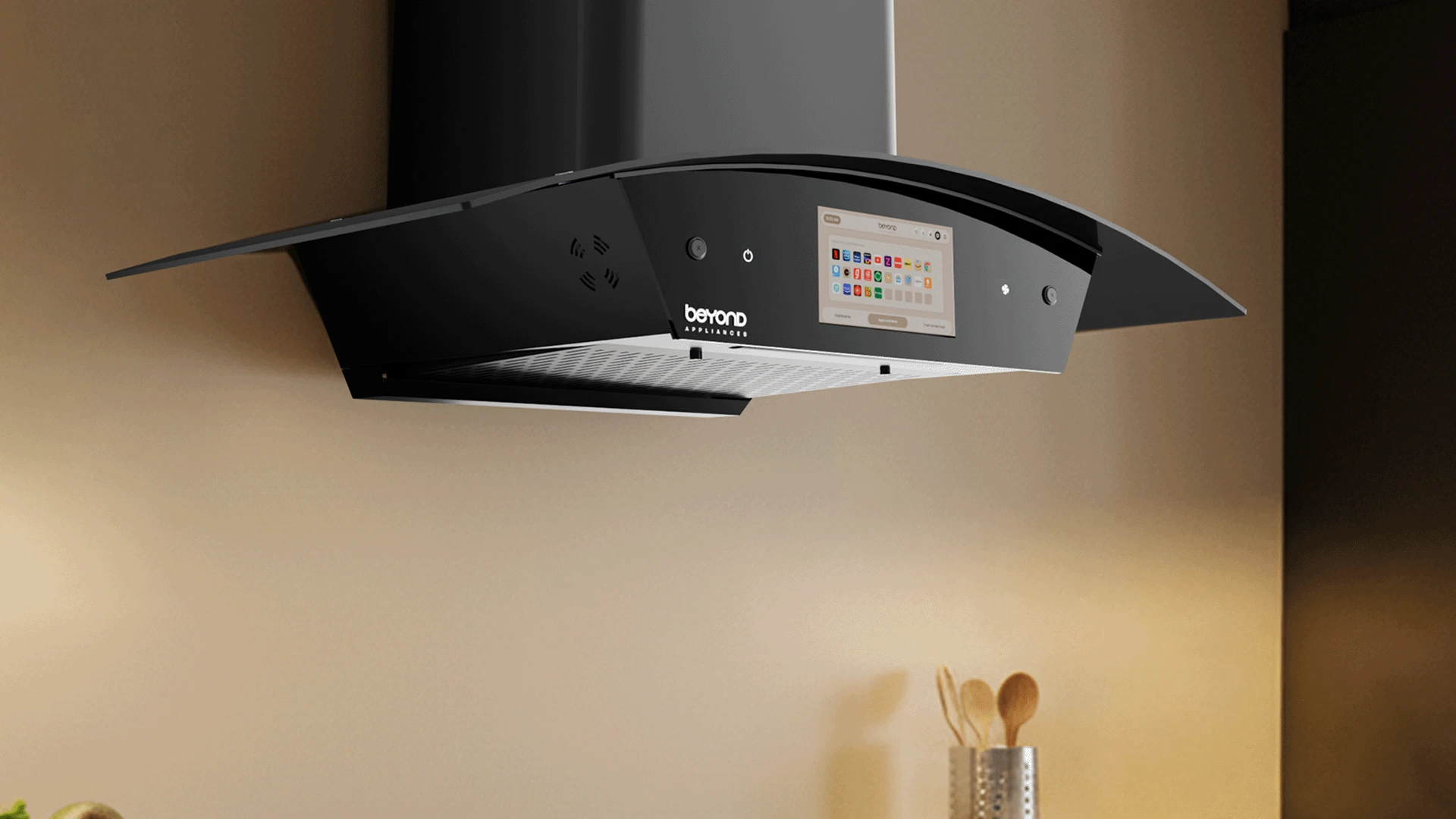
Your kitchen chimney works hard to keep your home fresh and clean, but it might be costing you more than necessary. Poor chimney energy efficiency can waste significant amounts of electricity and reduce the lifespan of your appliance. Smart homeowners are discovering that simple adjustments to how they use and maintain their cooking chimneys can lead to substantial energy savings. Modern chimneys with advanced features like dry heat auto clean and auto turn off functions are designed to optimize energy consumption while delivering powerful performance. Understanding how to reduce chimney energy use starts with recognizing where energy waste occurs and implementing proven strategies to maximize efficiency.
Kitchen chimneys consume energy in multiple ways, and identifying these areas helps you make informed decisions about usage patterns. The motor, lighting, and additional features all contribute to your electricity bill, but inefficient operation can significantly increase these costs.
The heart of chimney energy consumption lies in the motor that powers the suction system. A 1600 CMH suction capacity provides powerful smoke clearing for Indian cooking, but running it at maximum speed continuously wastes energy. Modern chimneys with variable speed controls allow you to adjust suction based on cooking intensity, reducing unnecessary power consumption during light cooking tasks.
Traditional chimneys often use energy-hungry halogen bulbs, while newer models feature efficient LED lights that consume significantly less power. Smart displays and infotainment screens add convenience but also contribute to energy usage. Understanding when these features are necessary helps optimize overall consumption.
Proper installation and insulation around your chimney system prevent energy loss and improve overall performance. These methods focus on maintaining optimal airflow while minimizing energy waste through poor sealing or inadequate ventilation planning.
Leaky ducts force your chimney motor to work harder, increasing energy consumption. Sealing joints and ensuring proper duct sizing maintains efficient airflow. For ductless chimneys, proper filter maintenance becomes even more critical as recirculated air must be thoroughly cleaned.
The distance between your cooktop and chimney affects energy efficiency. Optimal positioning reduces the need for maximum suction power, allowing you to operate at lower, more energy-efficient settings while maintaining effective smoke and odor removal.
Developing efficient cooking and chimney usage habits significantly impacts energy consumption. Simple changes to your daily routine can reduce energy waste without compromising cooking performance or air quality.
The auto turn off feature prevents unnecessary operation after cooking ends. Setting appropriate duration timers ensures your chimney runs only as long as needed. Many users forget to turn off their chimneys, leading to hours of wasted energy consumption.
Using the lowest effective speed setting for different cooking methods maximizes efficiency. Light sautéing requires minimal suction, while heavy frying or grilling needs higher speeds. 3D suction technology with three directional vents captures smoke more effectively, allowing lower speed operation in many situations.
Modern chimneys incorporate intelligent features designed to minimize energy waste while maintaining superior performance. Understanding and utilizing these features properly can significantly impact your electricity bills.
Filterless chimneys eliminate the energy loss associated with clogged filters. Traditional mesh filters create resistance that forces motors to work harder. Filterless design maintains consistent airflow and reduces energy consumption over time.
Dry heat auto clean technology prevents oil and grease buildup that can reduce efficiency. This feature uses controlled heat to melt accumulated particles, which are then collected in an easily cleanable tray. Regular auto-cleaning cycles maintain optimal performance and prevent energy-wasting motor strain.
Intelligent control systems help optimize energy usage through automated adjustments and user-friendly interfaces. These systems learn your cooking patterns and adjust operation accordingly.
Touch & button control panels provide precise speed and timing control. The dual control system allows quick adjustments without navigating complex menus, encouraging users to make energy-efficient choices during cooking.
Advanced chimneys with kitchen companion features can integrate with smart home systems. These connections enable automated operation based on cooking schedules, weather conditions, or air quality sensors, optimizing energy use without manual intervention.
Regular maintenance ensures your chimney operates at peak efficiency throughout its lifespan. Neglected maintenance leads to increased energy consumption and reduced performance.
The continuum display resists oil and grease buildup, but regular cleaning maintains optimal performance. Clean surfaces reflect heat better and don't interfere with sensor operation. Establishing a weekly cleaning routine prevents efficiency-reducing buildup.
Motor maintenance directly impacts energy efficiency. Clean motors run cooler and consume less power. The dry heat auto clean system helps maintain motor cleanliness, but periodic professional servicing ensures optimal performance and energy efficiency.
Efficient chimneys with features like auto turn off and variable speed controls can reduce energy consumption by 30-40% compared to basic models. Smart usage habits and proper maintenance further increase savings.
Use the lowest speed that effectively removes smoke and odors. For most Indian cooking, medium speed with 3D suction technology provides adequate performance while minimizing energy consumption.
Filterless chimneys maintain consistent airflow without filter-related resistance. This reduces motor strain and energy consumption while eliminating the need for frequent filter cleaning or replacement.
Run the dry heat auto clean cycle weekly or after heavy cooking sessions. This prevents buildup that can reduce efficiency and increase energy consumption over time.
Modern LED displays and smart features consume minimal energy compared to motor operation. The energy savings from optimized usage typically far exceed the power used by intelligent features.
Reducing chimney energy use requires a combination of smart technology, proper usage habits, and regular maintenance. Modern features like auto turn off, variable speed controls, and dry heat auto clean significantly improve efficiency when used correctly. Focus on using appropriate speed settings, maintaining clean components, and taking advantage of automated features to minimize energy waste. With proper attention to these factors, your kitchen chimney can provide excellent performance while keeping energy costs under control.
