

Essential Checklist: Monitor Chimney Usage Like Pro
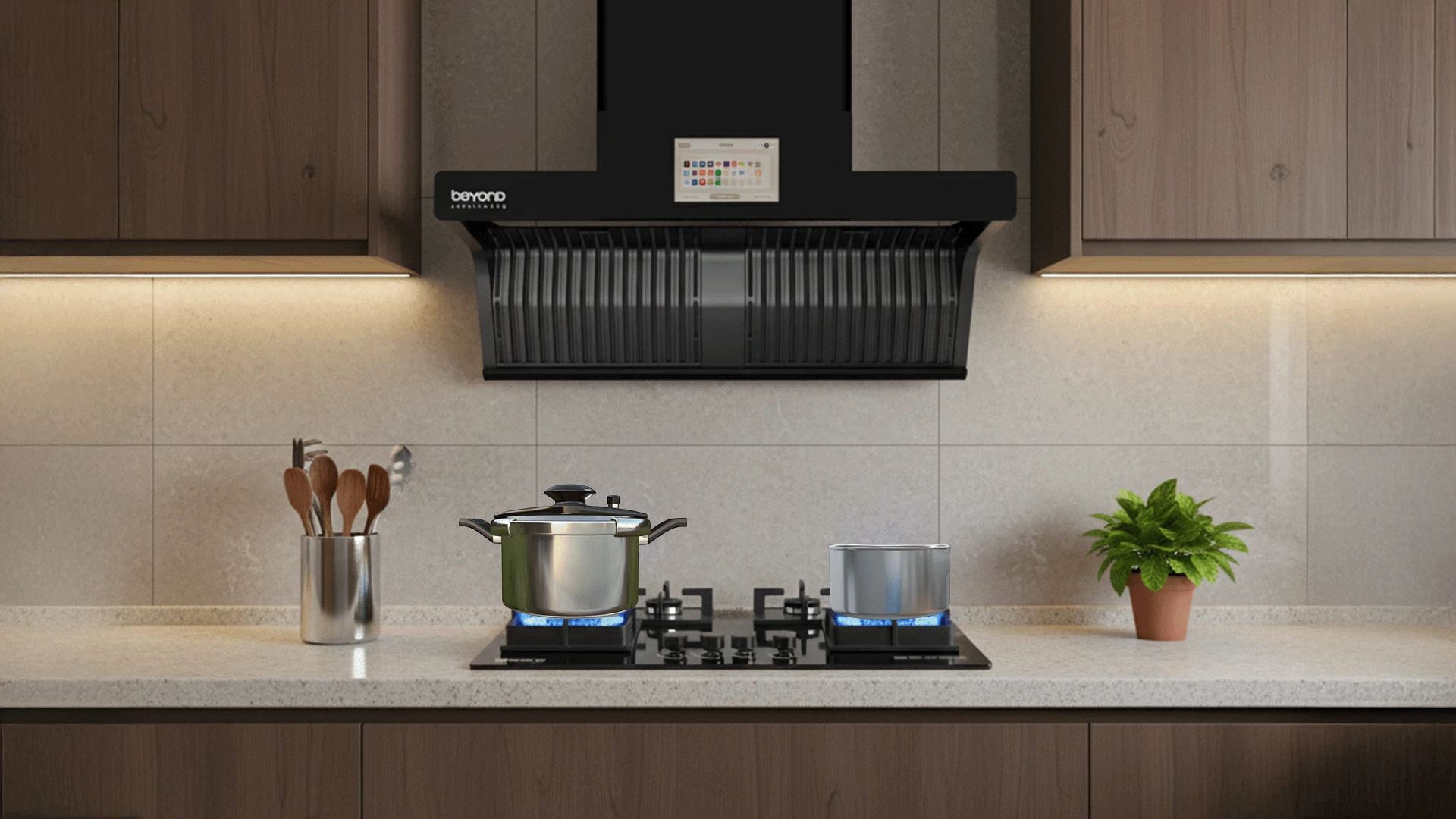
Proper chimney monitoring is essential for maintaining safety, efficiency, and optimal performance in your kitchen. Whether you're using a traditional wood-burning fireplace or a modern gas cooking system, understanding how to monitor chimney usage can save you money, prevent dangerous situations, and extend the life of your appliances. Modern homeowners are increasingly turning to smart monitoring solutions that provide real-time data and insights. This comprehensive checklist will guide you through professional-grade monitoring techniques that ensure your chimney system operates at peak performance while keeping your family safe.
Chimney usage tracking serves as your first line of defense against potential hazards and inefficiencies. Unmonitored chimney systems can develop dangerous blockages, experience temperature fluctuations that damage components, or operate inefficiently, wasting fuel and money. Safety risks multiply when chimneys operate without proper oversight. Carbon monoxide buildup, structural damage from overheating, and fire hazards from creosote accumulation are serious concerns. Regular monitoring helps identify these issues before they become life-threatening emergencies.
Proper monitoring can reduce fuel consumption by up to 30% through optimized operation. When you track usage patterns, you identify peak efficiency periods and adjust your cooking or heating schedule accordingly.
Monitoring prevents costly repairs by catching problems early. A well-monitored chimney system typically lasts 20-25% longer than unmonitored systems, representing significant savings over time.
Fireplace monitoring requirements vary significantly based on your system type. Each chimney design presents unique monitoring challenges and opportunities for optimization. Traditional wood-burning systems require the most intensive monitoring due to variable fuel quality and combustion patterns. These systems benefit from temperature sensors, draft measurements, and regular visual inspections.
Gas fireplaces and cooking systems offer more predictable operation but still require monitoring for efficiency and safety. Focus on gas flow rates, temperature consistency, and exhaust quality.
Wood stove usage combined with gas backup systems creates complex monitoring scenarios. Track each fuel type separately while monitoring overall system performance and switching efficiency.
Smart chimney monitoring starts with the right equipment. Modern technology offers sophisticated solutions that automate much of the monitoring process while providing detailed analytics. Digital temperature sensors form the foundation of any monitoring system. Look for devices that can withstand high temperatures (up to 1000°F) and provide wireless connectivity for remote monitoring.
Chimney temperature sensors with smartphone connectivity allow real-time monitoring from anywhere in your home. These devices typically cost between INR 5,000-15,000 and provide invaluable safety data.
Flue gas analyzers measure combustion efficiency and detect harmful emissions. While more expensive (INR 25,000-50,000), these tools provide comprehensive data for serious monitoring applications.
Learning how to monitor chimney usage effectively requires a systematic approach. This checklist ensures you capture all critical data points while maintaining safety throughout the process. Begin each monitoring session with a pre-use inspection. Check for visible obstructions, ensure dampers operate smoothly, and verify that monitoring equipment functions properly. This 5-minute routine prevents most monitoring-related issues.
• Record baseline temperature readings before ignition • Monitor temperature rise rates during startup • Track peak operating temperatures • Document fuel consumption rates • Note any unusual sounds, smells, or visual indicators • Check draft strength and consistency
• Record cool-down times and temperature curves • Note ash production and residue characteristics • Document any maintenance needs identified • Update usage logs with session duration and fuel consumed
Fuel consumption chimney tracking provides insights into system efficiency and helps optimize performance. Understanding heat output relative to fuel input reveals opportunities for improvement. Calculate your heating efficiency by dividing useful heat output by total fuel energy input. Efficient systems typically achieve 70-85% efficiency ratings, while poorly maintained systems may drop below 50%.
Chimney heat monitoring reveals seasonal patterns that inform maintenance scheduling and fuel purchasing decisions. Winter usage typically increases 300-400% compared to summer baseline levels.
Track fuel costs per heating hour to identify the most economical operating conditions. This data helps optimize usage timing and fuel selection for maximum value.
Modern smart chimney systems integrate monitoring capabilities directly into the appliance design. These solutions provide automated data collection and analysis while reducing manual monitoring requirements. IoT-enabled monitoring systems connect to your home network, providing smartphone alerts and detailed usage analytics. These systems typically cost INR 15,000-30,000 but offer comprehensive monitoring capabilities.
Smart monitoring integrates with home automation systems, allowing coordinated operation with ventilation, heating, and security systems. This integration optimizes overall home energy efficiency.
Advanced systems analyze usage patterns to predict maintenance needs before problems develop. This proactive approach reduces emergency repairs and extends equipment life.
Chimney data analysis transforms raw monitoring information into actionable insights. Understanding usage patterns helps optimize performance while identifying potential issues before they become serious problems. Track fireplace use patterns to identify peak demand periods and optimize fuel purchasing. Most households show 60-70% of annual usage occurring during three winter months.
Compare your system's performance against manufacturer specifications and industry standards. Significant deviations indicate maintenance needs or operational improvements.
Use historical data to plan upgrades, schedule maintenance, and optimize fuel purchasing. Well-analyzed data can reduce operating costs by 15-25% annually.
Daily monitoring during active use periods is recommended, with weekly comprehensive reviews. Smart monitoring systems provide continuous oversight with minimal manual intervention.
Wood-burning systems typically operate safely between 300-800°F, while gas systems run cooler at 200-500°F. Always consult manufacturer specifications for your specific system.
Yes, modern smart monitoring systems provide remote access through smartphone apps. These systems send alerts for temperature anomalies, maintenance needs, and safety concerns.
Excessive fuel consumption, poor heat output, unusual odors, visible smoke indoors, and frequent maintenance needs all indicate efficiency problems requiring attention.
Professional monitoring services typically cost INR 3,000-8,000 annually, while DIY monitoring equipment ranges from INR 5,000-25,000 for comprehensive systems.
Look for ISI marks, CE certification, and manufacturer warranties. Temperature sensors should be rated for high-heat applications with proven accuracy specifications.
Effective chimney monitoring combines the right equipment, systematic procedures, and data analysis to ensure safe, efficient operation. Smart monitoring technology simplifies the process while providing comprehensive insights into system performance. Regular monitoring prevents costly repairs, optimizes fuel consumption, and most importantly, protects your family's safety. Whether you choose manual monitoring methods or invest in smart technology solutions, consistent tracking of your chimney usage will pay dividends in safety, efficiency, and cost savings. Start with basic temperature monitoring and gradually expand your monitoring capabilities as you become more comfortable with the process.
