

Essential Checklist: Eliminate Chimney Smoke Smell Now
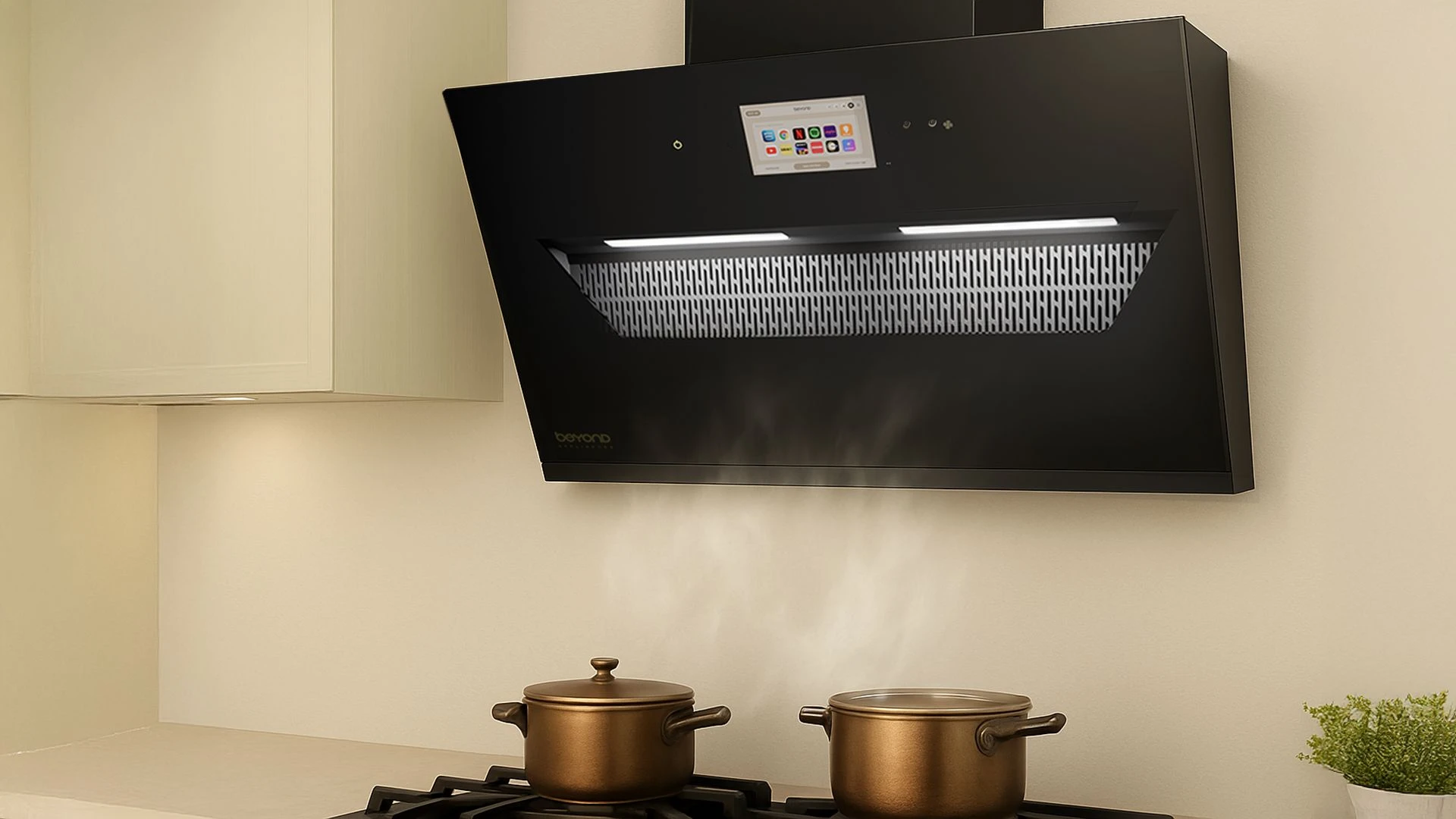
A persistent smoke smell from your kitchen chimney can turn cooking from a joy into a frustrating experience. Whether you're dealing with lingering odors after preparing spicy dishes or noticing reduced ventilation efficiency, addressing chimney filter smoke smell issues requires a systematic approach. The good news is that most odor problems stem from preventable causes like clogged filters, inadequate cleaning, or poor maintenance practices. With the right knowledge and consistent care, you can eliminate these unpleasant smells and restore your kitchen's fresh atmosphere. This comprehensive guide provides practical solutions to tackle smoke odor problems effectively.
Understanding the root causes of persistent smoke odors helps you address the problem effectively. Most kitchen chimney problems related to smell occur when grease, oil particles, and food residue accumulate in the filter system over time. Saturated filters lose their ability to trap cooking fumes properly. When filters become clogged with grease and debris, they can't absorb new odors effectively. Instead, they release previously trapped smells back into your kitchen. This creates a cycle where cooking amplifies existing odors rather than eliminating them. Poor ventilation capacity also contributes to smell issues. If your chimney's suction power doesn't match your cooking habits, smoke and fumes linger longer in the kitchen. Heavy cooking with oils and spices requires more powerful cooking fumes elimination than light meal preparation. Ignoring these problems leads to more serious issues. Accumulated grease can damage motor components, reduce filter lifespan, and create fire hazards. Regular maintenance costs significantly less than emergency repairs or complete system replacement.
Proper chimney filter cleaning requires the right approach and materials. Start by gathering necessary supplies: warm water, mild detergent, soft brushes, microfiber cloths, and protective gloves. Safety comes first when cleaning chimney components. Always disconnect power before removing filters. Allow the chimney to cool completely if you've been cooking recently. Wear gloves to protect your hands from sharp edges and cleaning chemicals.
Remove filters carefully by following your chimney's manual instructions. Most filters slide out or have simple release mechanisms. Take photos before removal to remember the correct installation position. Soak aluminum filters in warm soapy water for 15-20 minutes. For heavily soiled filters, add baking soda to the solution for extra cleaning power. Use a soft brush to scrub away stubborn grease deposits gently.
Daily cooking requires weekly filter cleaning for optimal performance. Moderate cooking allows bi-weekly cleaning schedules. Light cooking users can clean filters monthly, but never exceed six weeks between cleanings. Carbon filters need replacement rather than cleaning. These filters typically last 3-6 months depending on usage intensity. Replace them when you notice reduced odor absorption or visible saturation.
Effective smoke smell removal combines immediate action with long-term prevention strategies. Natural methods often work as well as commercial products while being gentler on your kitchen environment. Vinegar solutions neutralize odors naturally. Mix equal parts white vinegar and water in a spray bottle. Spray this solution on clean filters and wipe down chimney surfaces. The vinegar smell dissipates quickly, taking smoke odors with it.
Activated charcoal bags placed near the chimney absorb persistent odors effectively. Replace these bags every 2-3 months for continued effectiveness. They work continuously without requiring power or maintenance. Enzyme-based cleaners break down grease molecules that trap odors. Apply these cleaners to filters and internal surfaces according to manufacturer instructions. They're particularly effective for Indian cooking odors.
Stubborn odors may require complete system cleaning. This includes cleaning internal ducts, motor housing, and all accessible surfaces. Professional cleaning services can access areas that homeowners cannot reach safely. Prevention works better than cure for odor problems. Use appropriate cooking techniques, maintain proper ventilation, and clean spills immediately to prevent odor buildup.
Proper chimney selection and installation form the foundation of efficient kitchen ventilation. Your chimney's capacity should match your cooking style and kitchen size for optimal performance. Calculate required suction power based on your kitchen area. Multiply kitchen area in square feet by 10 to get minimum CFM (cubic feet per minute) requirements. Heavy cooking or open kitchen designs need higher capacity systems.
Modern filter technologies offer superior odor control compared to basic aluminum filters. Multi-layer filters combine grease trapping with odor absorption for comprehensive protection. BAF (Baffle) filters provide better grease separation and easier cleaning compared to traditional mesh filters. They're particularly effective for Indian cooking styles that involve high heat and oil usage.
Auto-clean functions reduce maintenance burden while ensuring consistent performance. Heat sensors automatically adjust suction power based on cooking intensity, optimizing both efficiency and noise levels. Timer functions ensure adequate ventilation duration after cooking ends. This feature helps eliminate residual odors that might otherwise linger in your kitchen.
Consistent chimney maintenance tips prevent most odor problems before they start. Create a maintenance calendar to track cleaning schedules and replacement needs. Weekly tasks include wiping down external surfaces and checking for unusual noises or reduced suction. Monthly maintenance involves thorough filter cleaning and inspection of moving parts.
Every three months, perform comprehensive system checks. Clean internal surfaces, inspect electrical connections, and test all functions including lights and variable speed controls. Document maintenance activities for warranty purposes and performance tracking. Note any changes in noise levels, suction power, or odor control effectiveness.
Annual professional servicing ensures optimal performance and safety. Technicians can access internal components, check motor condition, and identify potential problems before they become serious. Warranty requirements often mandate professional servicing to maintain coverage. Keep service records organized for warranty claims and resale value protection.
Clean aluminum filters weekly for daily cooking, bi-weekly for moderate use, and monthly for light cooking. Never exceed six weeks between cleanings to prevent odor buildup.
Persistent odors may indicate internal duct contamination, motor housing buildup, or inadequate chimney capacity for your cooking style. Professional cleaning or system upgrade might be necessary.
Yes, vinegar solutions, baking soda paste, and lemon juice work effectively for regular maintenance. However, heavily soiled systems may require commercial degreasers for complete cleaning.
Replace aluminum filters when they show permanent discoloration, damage, or warping. Carbon filters require replacement every 3-6 months regardless of appearance.
Calculate 10 CFM per square foot of kitchen area as minimum requirement. If odors persist despite clean filters and proper maintenance, consider upgrading to higher capacity systems.
Eliminating chimney smoke smell requires consistent maintenance, proper cleaning techniques, and appropriate system capacity. Regular filter cleaning, combined with natural odor removal methods, solves most smell problems effectively. When persistent odors continue despite proper maintenance, consider professional cleaning or system upgrades. Remember that prevention through proper cooking practices and immediate spill cleanup works better than reactive cleaning. With these strategies, you can maintain a fresh, odor-free kitchen environment that makes cooking enjoyable again.
