

Essential Checklist: Comparing Hob Efficiency Types
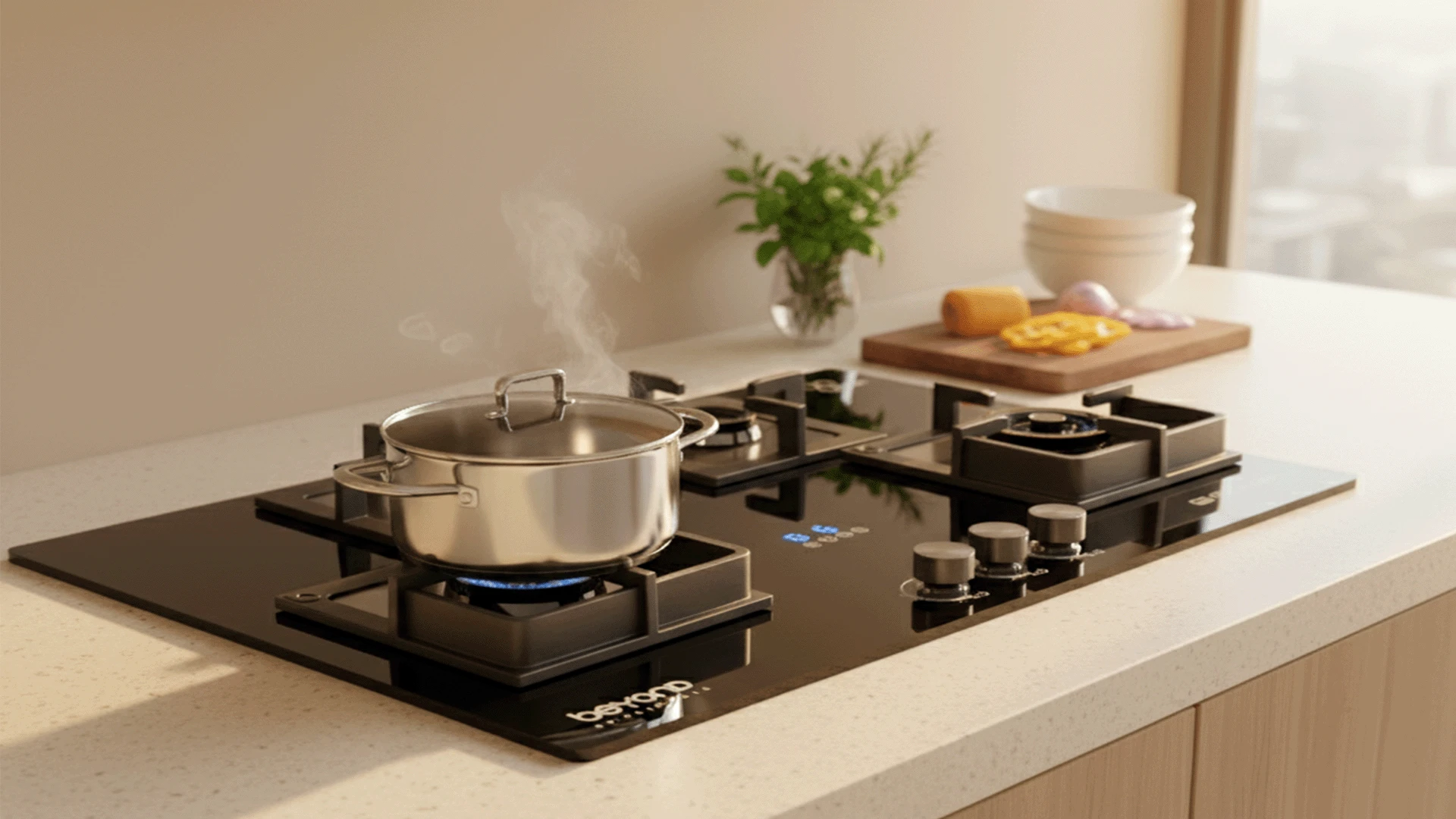
Choosing the right hob for your kitchen involves more than just style and price. Energy efficiency plays a crucial role in your monthly bills and environmental impact. Modern households spend significant amounts on cooking energy, making it essential to compare cooking efficiency hobs before making a purchase decision. Understanding how different hob types convert energy into heat helps you make an informed choice that balances performance with cost savings. This comprehensive guide breaks down the efficiency ratings of various hob types, helping you select the most suitable option for your cooking needs and budget.
Cooking hob efficiency refers to how effectively a hob converts energy into usable heat for cooking. This measurement directly impacts your energy bills and cooking performance. Different hob types achieve varying efficiency levels based on their heating mechanisms and energy transfer methods. Energy consumption varies significantly between hob types. Induction hobs lead with 90% efficiency, while gas hobs typically achieve 40-50% efficiency. Electric ceramic hobs fall somewhere between these ranges. Understanding these differences helps you calculate long-term costs and environmental impact. Several factors determine hob power usage and overall performance. Heat transfer methods, surface materials, and control systems all influence efficiency ratings. The type of cookware you use also affects energy consumption, particularly with induction technology that requires magnetic-compatible pans.
Induction technology represents the pinnacle of cooking efficiency, achieving remarkable 90% energy conversion rates. This superior performance stems from electromagnetic heating that directly warms your cookware rather than heating a surface first. The result is faster cooking times and significantly reduced energy waste.
Induction hobs create magnetic fields that generate heat directly in compatible cookware. This eliminates the energy loss associated with heating intermediate surfaces. The electromagnetic coils beneath the glass surface remain relatively cool, directing nearly all energy into your pans. Temperature control with induction technology offers precision comparable to gas flames but with superior energy efficiency. Heat adjustments happen instantly, allowing for precise cooking control while minimizing energy waste during temperature changes.
Faster cooking times translate directly into energy savings. Water boils up to 50% faster on induction hobs compared to traditional electric options. This speed advantage compounds over time, creating substantial energy consumption reductions. Safety features enhance efficiency by preventing accidental energy waste. Automatic pan detection ensures the hob only operates when cookware is present. Child safety locks and automatic shut-off functions prevent unnecessary energy consumption.
Gas hobs maintain popularity despite lower efficiency ratings of 40-50%. The immediate heat control and familiar cooking experience appeal to many home cooks. However, significant energy loss occurs through heat dissipation around cookware and incomplete combustion.
Heat distribution patterns in gas cooking create inherent inefficiencies. Flames spread around pan bases, heating surrounding air rather than transferring all energy to food. This radiant heat loss represents the primary efficiency limitation of gas technology. Combustion efficiency varies with burner design and gas quality. Modern gas hobs incorporate improved burner designs that enhance heat transfer, but fundamental physics limits maximum efficiency. Proper burner maintenance and correct flame adjustment help optimize available efficiency.
Professional cooking applications often favor gas despite efficiency concerns. The instant heat control and visual flame feedback provide cooking advantages that some chefs prioritize over energy efficiency. High-heat cooking techniques like wok cooking perform exceptionally well with gas flames. Installation costs and infrastructure considerations affect overall value. Homes with existing gas connections may find gas hobs more economical initially, despite higher operating costs. Power outage resilience makes gas hobs valuable in areas with unreliable electricity supply.
Ceramic hobs offer moderate efficiency levels between gas and induction options. These electric hobs heat through radiant elements beneath smooth glass surfaces. Energy efficiency typically ranges from 60-70%, providing better performance than gas while remaining more affordable than induction.
Radiant heating elements transfer energy through the ceramic glass surface to cookware. This indirect heating method creates some energy loss but maintains better efficiency than gas alternatives. Heat distribution across the cooking surface provides even temperature control. Heat retention in ceramic surfaces affects overall efficiency. The glass surface stores thermal energy, continuing to cook food even after switching off. This residual heat can be advantageous for gentle cooking but may waste energy if not utilized properly.
Smooth surfaces simplify cleaning and maintenance, contributing to long-term efficiency. Easy cleaning prevents buildup that could affect heat transfer. However, the glass surface requires careful handling to prevent damage that might reduce efficiency. Heat-up and cool-down times impact energy usage patterns. Ceramic hobs take longer to reach cooking temperature compared to gas or induction, requiring advance planning. The gradual temperature changes suit certain cooking styles while potentially wasting energy for quick tasks.
Comparing energy efficient hobs requires examining multiple performance factors beyond basic efficiency ratings. Cooking speed, temperature control, and energy consumption patterns all influence real-world performance and cost effectiveness.
Induction hobs consume approximately 1.5-2 kW per hour of active cooking, with 90% efficiency translating to minimal waste. Annual energy costs typically range from INR 3,000-5,000 for average household usage. Gas hobs vary in consumption based on burner size and cooking intensity. Average households spend INR 4,000-7,000 annually on cooking gas, with efficiency losses increasing costs compared to electrical alternatives. Ceramic hobs consume 2-3 kW per hour, with moderate efficiency resulting in annual costs of INR 4,500-6,500. The middle-ground performance reflects in moderate operating expenses.
Energy-conscious households benefit most from induction technology. The superior efficiency and precise control justify higher initial costs through reduced operating expenses. Professional-grade induction models offer commercial-level performance with residential efficiency. Budget-conscious buyers might consider high-efficiency gas models or ceramic hobs. These options provide reasonable performance without the premium pricing of induction technology. Proper usage techniques can maximize efficiency regardless of hob type chosen.
Selecting the most energy efficient hob requires balancing multiple factors beyond basic efficiency ratings. Kitchen infrastructure, cooking habits, and long-term cost considerations all influence the optimal choice for your specific situation.
Electrical capacity affects induction hob installation feasibility. High-powered induction units may require electrical upgrades, adding to initial costs. Gas line availability and ventilation requirements influence gas hob practicality. Cookware compatibility impacts overall system efficiency. Induction requires magnetic cookware, potentially necessitating replacement of existing pots and pans. Factor these additional costs into your efficiency calculations and budget planning.
Initial investment versus energy savings calculations help determine true cost effectiveness. Induction hobs typically recover their premium pricing through energy savings within 3-5 years of normal usage. Extended warranties and reliable after-sales service enhance long-term value. Durability considerations affect lifetime efficiency and replacement costs. Quality construction and proper maintenance extend hob lifespan, maximizing energy savings over time. Choose reputable brands with proven reliability records for optimal long-term performance.
Induction hobs provide the highest energy efficiency at 90%, directly heating cookware through electromagnetic fields. This technology eliminates energy waste from heating intermediate surfaces, resulting in faster cooking times and lower energy consumption compared to gas or ceramic alternatives.
Energy efficient hobs can reduce cooking energy costs by 30-50% compared to traditional options. Induction hobs typically save INR 200-500 monthly for average households, with savings varying based on cooking frequency and local energy prices.
Induction hobs require magnetic cookware such as cast iron or steel pans. Gas and ceramic hobs work with most cookware types. Installation requirements vary, with induction potentially needing electrical upgrades and gas requiring proper ventilation and gas line connections.
Consider energy efficiency ratings, cooking speed, temperature control precision, initial costs, operating expenses, cookware compatibility, installation requirements, and maintenance needs. Balance these factors against your cooking habits and kitchen infrastructure for optimal selection.
High-efficiency hobs typically recover their premium pricing through energy savings within 3-5 years. Factor in reduced operating costs, improved cooking performance, and potential home value increases when evaluating long-term investment value.
Comparing cooking efficiency hobs reveals significant differences in energy consumption and operating costs. Induction technology leads with 90% efficiency, followed by ceramic hobs at 60-70%, and gas hobs at 40-50%. Your choice should balance efficiency ratings with cooking needs, kitchen infrastructure, and budget considerations. Energy efficient hobs provide substantial long-term savings while offering superior cooking performance and environmental benefits.
