

Essential Checklist: Clean Chimney Filters Right
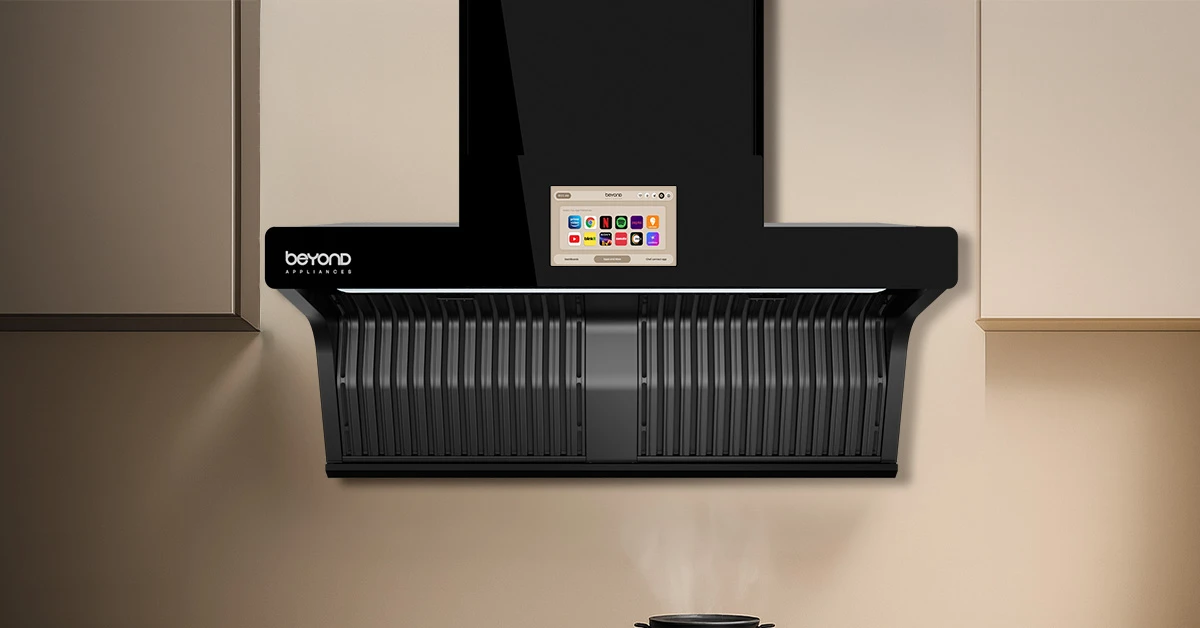
A clean chimney filter is your kitchen's first line of defense against grease, smoke, and cooking odors. Yet many homeowners struggle with proper filter maintenance, leading to reduced efficiency, unpleasant smells, and even fire hazards. Regular cleaning chimney filter step by step ensures your kitchen exhaust system works optimally while protecting your family's health. Whether you own an Android chimney, T-shaped model, or curved design, understanding the right cleaning process saves money and extends your appliance's lifespan. This comprehensive guide walks you through everything from identifying filter types to mastering professional-grade cleaning techniques at home.
Dirty chimney filters pose serious health and safety risks that extend far beyond poor air quality. Grease buildup creates a fire hazard, especially when combined with high cooking temperatures. The accumulated residue also harbors bacteria and releases unpleasant odors that permeate your entire home.
Your cooking efficiency suffers dramatically when filters become clogged. The chimney struggles to remove smoke and steam, forcing you to cook in uncomfortable conditions. This strain on the motor increases electricity consumption and shortens your appliance's lifespan, potentially costing thousands in premature replacement.
Watch for these warning signs: visible grease dripping from filters, persistent cooking odors hours after meals, steam not clearing effectively, or unusual motor noises. These indicators suggest immediate chimney filter cleaning is necessary to prevent costly damage.
Different chimney models use varying filter technologies, each requiring specific cleaning approaches. Baffle filters, common in Android chimneys and T-shaped models, feature curved metal plates that trap grease through directional airflow. These stainless steel or aluminum filters handle heavy-duty cleaning well.
Cassette filters use multiple layers of metal mesh to capture particles. Found in many curved and slant chimneys, these filters require gentle handling during cleaning to prevent mesh damage. Carbon filters, used in ductless chimneys, cannot be cleaned and need regular replacement every 3-6 months.
Aluminum filters are lightweight and affordable but require frequent cleaning. Stainless steel filters offer superior durability and resist corrosion, making them ideal for heavy cooking. Check your chimney's manual or manufacturer specifications to confirm your filter type before starting the cleaning process.
Proper preparation ensures safe and effective grease filter cleaning. Gather these essential supplies before beginning: rubber gloves, safety goggles, dish soap or specialized degreaser, baking soda, white vinegar, soft-bristled brush, microfiber cloths, and a large basin or sink for soaking.
Safety equipment protects you from grease splatter and chemical exposure. Choose degreasers specifically designed for kitchen appliances, avoiding harsh chemicals that might damage filter materials. Natural alternatives like baking soda and vinegar work effectively for regular maintenance cleaning.
Household products suffice for routine cleaning, but stubborn grease may require commercial degreasers. Always test cleaning products on a small filter section first to ensure compatibility with your specific material.
Follow this systematic approach for thorough cleaning kitchen chimney filters safely and effectively. Always disconnect power to your chimney before starting any maintenance work. Allow the appliance to cool completely if recently used, as filters retain heat and grease becomes more difficult to remove when warm.
Document filter placement with photos before removal, especially for complex multi-filter systems. This reference helps ensure proper reinstallation and maintains optimal airflow patterns.
Locate filter release mechanisms, typically clips or latches on the chimney's underside. Support filters while releasing to prevent dropping and potential damage. Remove filters one at a time to avoid confusion during reinstallation.
Scrape excess grease using a plastic scraper or old credit card. Work over newspaper or disposable surface to contain mess. Remove loose debris by gently tapping filters over a trash bin.
Create a soaking solution using hot water and dish soap or specialized degreaser. Submerge filters completely and let soak for 15-30 minutes. For stubborn grease, add baking soda to create an abrasive paste that breaks down accumulated residue.
Rinse thoroughly with hot water, ensuring all cleaning product residue is removed. Shake excess water and air dry completely before reinstallation. Moisture trapped in filters can cause electrical issues and promote bacterial growth.
Inspect cleaned filters for damage, warping, or excessive wear. Replace damaged filters immediately to maintain proper function. Reinstall in reverse order of removal, ensuring secure attachment and proper alignment.
When standard cleaning methods fail, advanced techniques tackle the toughest grease buildup. Create a powerful natural degreaser by mixing equal parts white vinegar and hot water with two tablespoons of baking soda. This solution cuts through grease while remaining safe for all filter materials.
For commercial-grade cleaning, use enzyme-based degreasers that break down grease at the molecular level. These products work slower than harsh chemicals but provide superior results without damaging filter integrity. Steam cleaning offers another effective approach, using high-temperature vapor to dissolve stubborn residue.
Reserve commercial degreasers for quarterly deep cleaning or when natural methods prove insufficient. Always follow manufacturer instructions and ensure adequate ventilation when using chemical products.
Kitchen exhaust cleaning encompasses more than filter maintenance. Clean the chimney interior monthly using a damp cloth to remove grease buildup on walls and surfaces. Pay special attention to areas around the motor housing where grease accumulates.
External chimney cleaning maintains appearance and prevents grease from attracting dust and debris. Use appropriate cleaners for your chimney's finish, whether stainless steel, glass, or painted surfaces. Regular exterior cleaning also allows you to inspect for damage or wear that might affect performance.
While motor cleaning requires professional service, you can maintain fan blades by wiping them with a damp cloth during filter cleaning. Never attempt to disassemble motor components, as this voids warranties and poses electrical hazards.
Establish a regular chimney maintenance schedule based on your cooking habits. Heavy cooking requires weekly filter cleaning, while moderate use allows bi-weekly maintenance. Indian cooking, with its high oil content and spice usage, typically demands more frequent attention.
Seasonal deep cleaning ensures optimal performance year-round. Schedule quarterly professional inspections for complex systems or when warranty requirements mandate professional service. Document maintenance activities to track filter lifespan and identify patterns that might indicate underlying issues.
Use appropriate cooking temperatures to minimize grease production. Cover pans when possible to reduce splatter. Run your chimney for 10-15 minutes after cooking to clear residual vapors and prevent grease settling.
Clean filters every 2-4 weeks for regular cooking, weekly for heavy use. Indian cooking typically requires weekly cleaning due to high oil content and spice usage.
Most aluminum and stainless steel baffle filters are dishwasher-safe. Use the hottest setting without heated dry. Avoid dishwashers for delicate mesh filters or carbon filters.
Mix hot water, dish soap, and baking soda for effective grease cutting. Add white vinegar for extra cleaning power. This combination works safely on all filter materials.
Replace filters when they show warping, holes, or persistent odors after thorough cleaning. Carbon filters require replacement every 3-6 months regardless of cleaning.
Clean filters should be free of visible grease, odor-neutral, and allow light to pass through mesh areas. Water should flow freely through baffle channels without pooling.
Mastering cleaning chimney filter step by step protects your investment while ensuring optimal kitchen air quality. Regular maintenance prevents costly repairs and extends appliance lifespan significantly. Remember that different filter types require specific cleaning approaches, and safety should always be your first priority.
Establish a maintenance routine that matches your cooking habits, and don't hesitate to seek professional help for complex issues. With proper care, your chimney system will provide years of reliable service, keeping your kitchen fresh and comfortable for all your culinary adventures.
