

Essential Checklist: Choosing Your Touch Control Hob
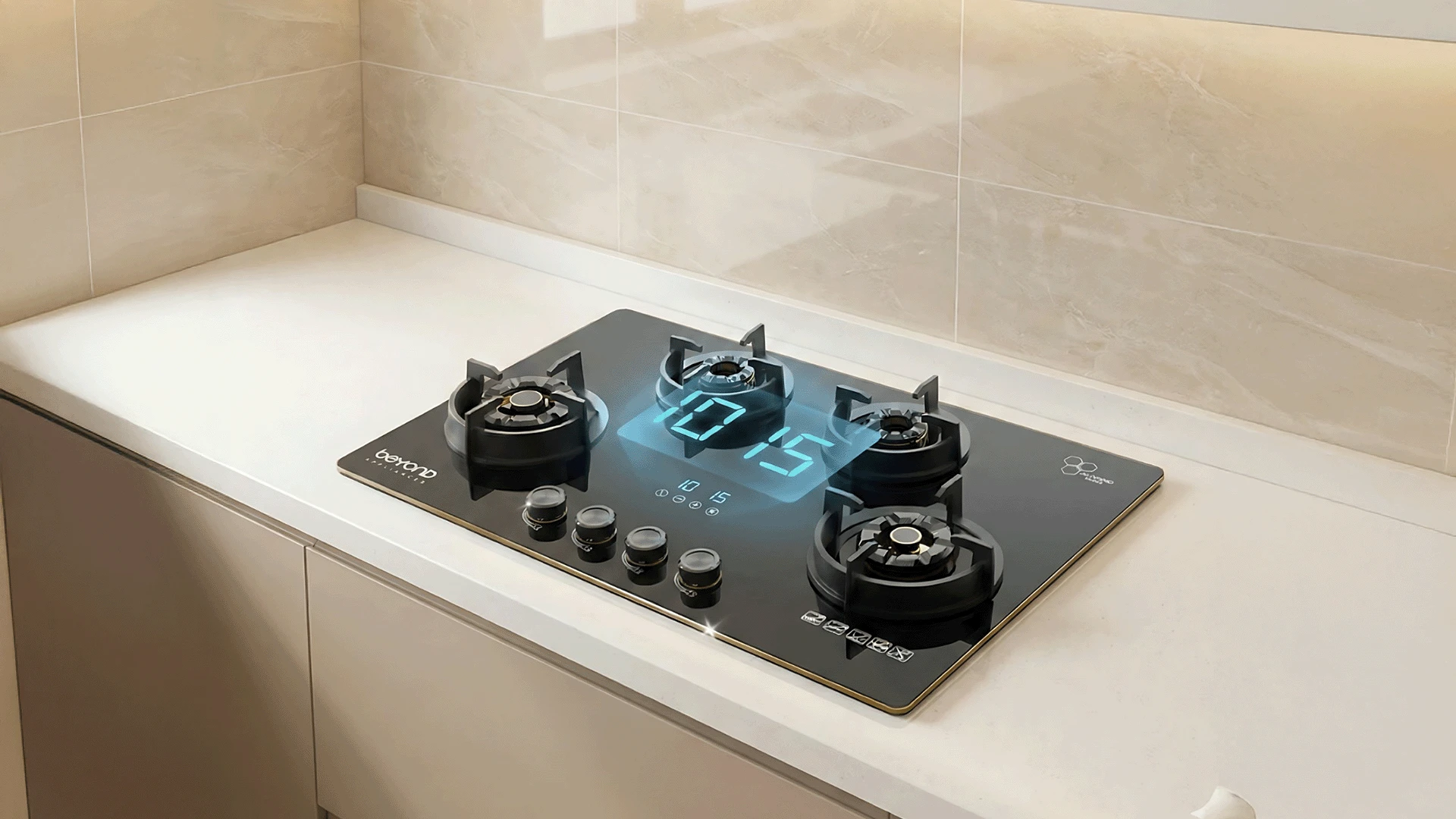
Modern kitchens demand appliances that combine functionality with style, and a touch control hob represents the perfect fusion of both. These sleek cooking surfaces have revolutionized how we prepare meals, offering precise temperature control through intuitive touch interfaces. Whether you're upgrading your existing kitchen or designing a new one, choosing the right touch control hob requires careful consideration of various factors including technology type, size, and features that match your cooking style and kitchen layout.
A touch control hob operates through sensitive electronic panels that respond to finger touch, eliminating the need for traditional knobs or switches. This technology creates a seamless cooking experience where you can adjust heat levels with simple taps or slides across the control surface. The core advantage lies in precision control. Unlike conventional gas burners with limited heat settings, touch control systems offer multiple power levels, typically ranging from 1 to 9. This granular control allows for delicate simmering at level 1 or rapid boiling at maximum power. The smart hob technology also includes safety features like automatic shut-off and child locks, making it ideal for busy households.
The market offers three main categories of touch control cooking surfaces, each with distinct heating mechanisms and benefits. Understanding these differences helps you make an informed decision based on your cooking preferences and budget.
An induction hob uses electromagnetic fields to heat cookware directly, making it the most energy-efficient option available. The magnetic coils beneath the glass hob surface generate heat only when compatible cookware is placed on top. This technology achieves up to 90% energy efficiency compared to 40-50% for traditional gas burners. The instant response time sets induction apart from other technologies. Heat adjustments happen immediately, giving you restaurant-level control over your cooking. The surface remains relatively cool during operation, reducing burn risks and making cleanup easier.
A ceramic hob features radiant heating elements beneath a smooth glass surface. These elements heat up and transfer warmth through the ceramic glass to your cookware. While not as efficient as induction, ceramic hobs offer excellent heat distribution and work with all types of cookware. The visual appeal of ceramic surfaces makes them popular in contemporary kitchens. The flat, seamless design integrates beautifully with modern countertops, and residual heat indicators show when surfaces are still warm after cooking.
An electric hob combines traditional heating elements with modern touch controls. These models typically cost less than induction or ceramic options while still providing the convenience of digital temperature control. They work with any cookware type and offer reliable performance for everyday cooking needs.
When evaluating different models, focus on features that enhance both safety and cooking performance. The right combination of controls and safety mechanisms can significantly improve your kitchen experience.
Look for intuitive control layouts with clear power level displays. Slider controls offer smooth temperature adjustments, while button-based systems provide precise incremental changes. Timer functions should allow settings up to 99 minutes, enabling hands-free cooking for dishes that require extended preparation times. Child safety locks are essential in family kitchens. These features prevent accidental activation and protect curious little hands from hot surfaces.
Automatic pan detection ensures the hob only activates when suitable cookware is present. This feature prevents accidental activation and conserves energy. Residual heat indicators warn when surfaces remain hot after cooking, preventing accidental burns. Overflow protection automatically reduces power or shuts off burners when liquids boil over, protecting both the appliance and your kitchen surfaces.
The size and layout of your kitchen hob should match both your available space and cooking requirements. Consider your typical meal preparation patterns when selecting the number of cooking zones.
Compact kitchens benefit from single-burner portable units or built-in double-burner configurations. These efficient hob options provide adequate cooking capacity for small households while maximizing counter space for food preparation. Portable single-burner models offer flexibility for outdoor cooking or temporary kitchen setups. They typically range from 1800W to 2000W, providing sufficient power for most cooking tasks.
Larger families and cooking enthusiasts should consider four-burner layouts. These cooktop configurations allow simultaneous preparation of multiple dishes, making meal preparation more efficient during busy periods. Built-in four-burner models integrate seamlessly with kitchen counters, creating a professional appearance while providing maximum cooking flexibility.
Proper installation ensures optimal performance and safety for your new cooking hob. Understanding these requirements helps you plan the installation process and budget accordingly.
Electrical connections must meet local safety codes and manufacturer specifications. Most touch control hobs require dedicated circuits with appropriate amperage ratings. Induction models typically need higher electrical capacity than ceramic or standard electric versions. Ventilation considerations include adequate clearance above the cooking surface and proper exhaust fan placement to remove cooking odors and steam effectively.
The smooth surface of a glass hob makes cleaning straightforward with appropriate techniques. Use specialized glass cleaners and avoid abrasive materials that could scratch the surface. Regular cleaning prevents buildup that might interfere with touch control sensitivity. Proper cookware selection extends the life of your hob. For induction models, ensure pots and pans have magnetic bases. Flat-bottomed cookware provides optimal heat transfer on all hob types.
Investment in a quality touch control hob pays dividends through energy savings and enhanced cooking experiences. Consider both initial costs and long-term operating expenses when making your selection. Entry-level ceramic touch control models start around INR 8,000, while premium induction versions can exceed INR 25,000. Factor in installation costs, which typically range from INR 1,500 to INR 3,000 depending on electrical requirements. Energy efficiency translates to monthly savings on electricity bills. Induction hobs can reduce cooking energy consumption by 30-50% compared to traditional electric or gas alternatives.
Touch controls use capacitive sensors that detect finger contact and translate touches into electronic signals. These signals control heating elements or electromagnetic coils, allowing precise temperature adjustments without mechanical switches.
Induction hobs require magnetic cookware made from cast iron, carbon steel, or magnetic stainless steel. Test cookware compatibility by checking if a magnet sticks firmly to the bottom.
Yes, touch control hobs include multiple safety features like child locks, automatic shut-off, and cool surface technology. Induction models are particularly safe since the cooking surface stays relatively cool during operation.
Consumption varies by type and usage. Induction hobs are most efficient, using 10-15% less energy than ceramic models. A typical 2000W induction burner costs approximately INR 8-12 per hour of operation.
While possible for experienced DIY enthusiasts, professional installation is recommended to ensure proper electrical connections and safety compliance. Improper installation can void warranties and create safety hazards.
Selecting the right touch control hob involves balancing your cooking needs, kitchen space, and budget considerations. Induction models offer superior efficiency and safety, while ceramic and electric options provide reliable performance at lower initial costs. Focus on essential features like intuitive controls, safety mechanisms, and appropriate sizing for your household. Professional installation ensures optimal performance and safety compliance, making your investment worthwhile for years of enhanced cooking experiences.
