

Essential Checklist: Choosing Your Perfect Hob
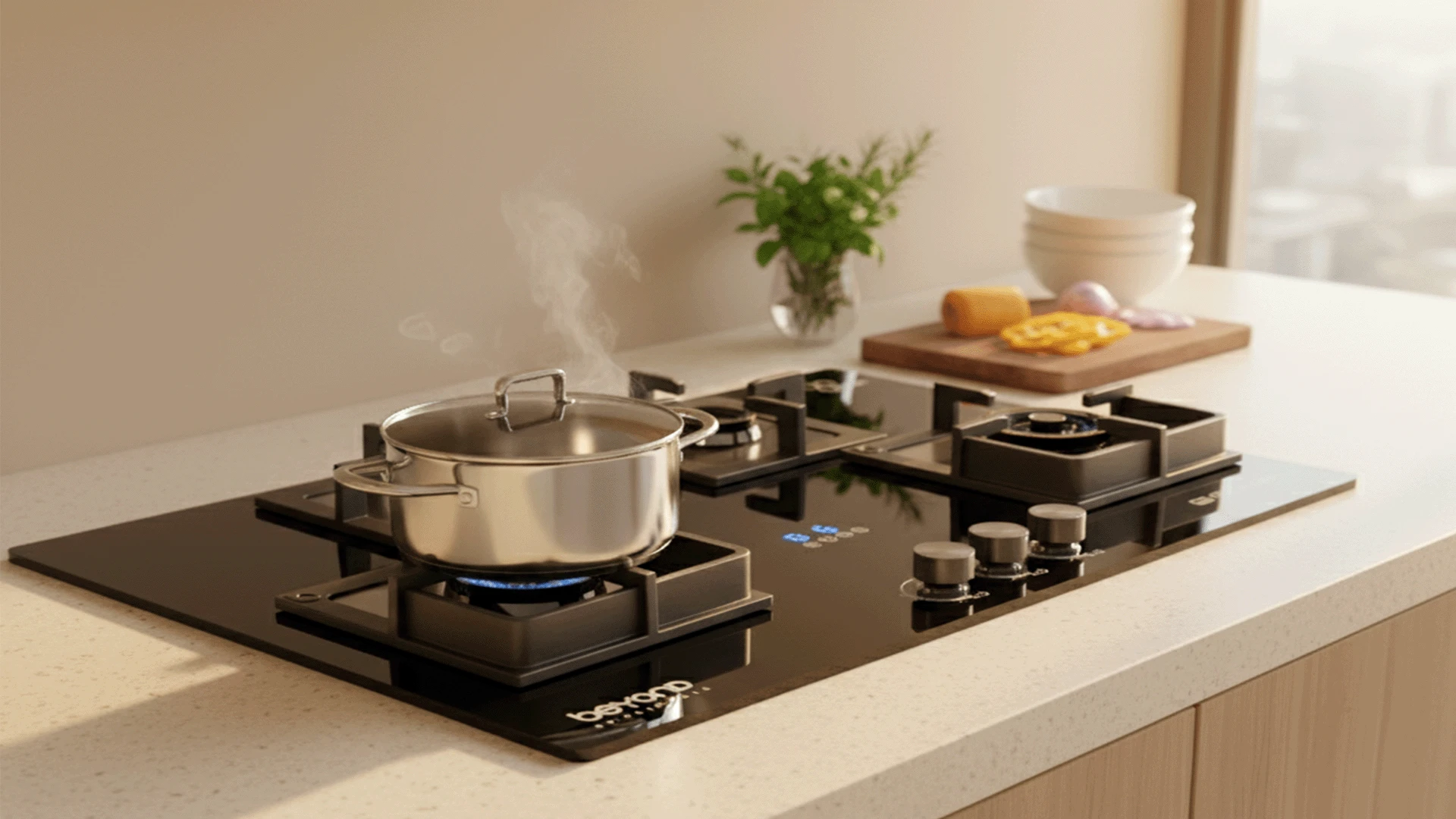
Selecting the right hob transforms your cooking experience from ordinary to exceptional. With countless options flooding the Indian market, from traditional gas burners to modern induction technology, choosing the best hobtop for cooking can feel overwhelming. Whether you're renovating your kitchen or setting up a new home, the right hob becomes the foundation of every meal you prepare. This comprehensive guide cuts through the confusion, providing you with a practical checklist to find your perfect cooking companion that matches your lifestyle, budget, and culinary needs.
Modern kitchens offer four primary hob technologies, each with distinct advantages for different cooking styles and household needs. Understanding these differences helps you make an informed decision that aligns with your cooking habits and kitchen setup.
The gas hob remains the preferred choice for many Indian households due to its instant heat control and visible flame. The immediate response when you adjust the flame gives you precise temperature control, essential for techniques like tempering spices or achieving the perfect sear on your proteins. Gas hobs distribute heat evenly across the bottom of your cookware, making them ideal for traditional Indian cooking methods that require high heat and quick adjustments.
The induction hob represents the pinnacle of cooking efficiency, using electromagnetic fields to heat compatible cookware directly. This technology achieves up to 90% energy efficiency compared to 40-50% for gas hobs. Safety features like automatic shut-off, child locks, and cool-to-touch surfaces make induction hobs perfect for families with young children. However, you'll need magnetic-base cookware to use these hobs effectively.
The electric hob provides consistent, steady heat through coil elements, while the ceramic hob offers a sleek glass surface with radiant heating elements underneath. Electric coil hobs are durable and affordable, perfect for budget-conscious buyers. Ceramic hobs combine aesthetic appeal with easy cleaning, though they require careful handling to prevent scratches and cracks.
Your hob selection should prioritize safety, performance, and convenience features that enhance your daily cooking experience. These essential features separate ordinary hobs from exceptional ones that serve you reliably for years.
Flame failure safety devices automatically cut gas supply if flames extinguish accidentally, preventing dangerous gas leaks. Auto-ignition systems eliminate the need for matches or lighters, providing convenient one-hand operation. Toughened glass tops resist thermal shock and impacts, while heat indicators warn you about hot surfaces long after cooking ends.
Burner power ratings, measured in BTUs, determine how quickly your hob heats food. High-power burners excel at stir-frying and boiling, while simmer burners maintain low temperatures for delicate sauces. Cast iron burners distribute heat more evenly than aluminum alternatives and withstand heavy cookware without warping.
Stainless steel surfaces resist stains and scratches better than painted finishes, maintaining their appearance over time. Easy-clean designs with minimal crevices reduce maintenance time, while removable drip trays catch spills for effortless cleaning. Consider how the hob's aesthetic integrates with your kitchen's overall design theme.
Hob size and burner configuration directly impact your cooking flexibility and kitchen workflow. Understanding your household's cooking patterns helps determine the ideal size and layout for your needs.
Four-burner configurations suit most Indian households perfectly, offering multiple cooking zones for preparing complete meals simultaneously. Look for varied burner sizes - large burners for pressure cooking and boiling, medium burners for everyday cooking, and small burners for simmering and keeping food warm. Proper spacing between burners allows you to use large cookware without interference.
The portable hob serves specific needs like outdoor cooking, temporary setups, or supplementing your main cooking area during large meal preparations. Single or double-burner portable units offer convenience but may lack the power and stability of built-in models. Consider portable options for vacation homes or as backup cooking solutions.
Choosing an energy efficient hob reduces both your utility bills and environmental impact while maintaining excellent cooking performance. Understanding efficiency ratings helps you calculate long-term value beyond initial purchase price.
Induction hobs lead efficiency rankings at 85-90%, followed by gas hobs at 40-50%, and electric hobs at 65-70%. Higher efficiency means more energy reaches your food rather than heating the surrounding air. Calculate potential savings by comparing your current cooking costs with projected expenses using different hob types.
Gas typically costs less per unit of energy than electricity in most Indian regions, making gas hobs economical for heavy cooking households. However, induction hobs' superior efficiency can offset higher electricity costs, especially for moderate cooking usage. Factor in your local utility rates and cooking frequency when comparing long-term operating costs.
Proper hob installation ensures safety, performance, and longevity of your investment. Understanding installation requirements helps you budget for complete setup costs and avoid potential complications.
Gas hob installation requires certified technicians to ensure proper connections and safety compliance. Electric and induction hobs need adequate electrical capacity and proper grounding for safe operation. Built-in hobs require precise cutout measurements and proper ventilation clearances around the unit.
Daily cleaning prevents buildup that can affect performance and appearance. Use appropriate cleaning products for your hob type - mild detergents for stainless steel, specialized cleaners for ceramic surfaces, and gentle scrubbing for cast iron burners. Regular maintenance checks of gas connections and electrical components ensure continued safe operation.
Gas hobs excel for Indian cooking due to instant heat control, high-temperature capability, and compatibility with all cookware types. The visible flame allows precise adjustments essential for techniques like tempering spices and achieving proper heat levels for different cooking stages.
Choose induction for energy efficiency, safety features, and easy cleaning, especially if you have compatible cookware. Select gas for instant heat control, lower operating costs, and compatibility with all cookware types, particularly if you frequently use high-heat cooking techniques.
A four-burner hob with varied burner sizes serves most families of four effectively. Look for configurations with at least one large burner for pressure cooking, two medium burners for everyday cooking, and one small burner for simmering or keeping food warm.
Portable hobs typically offer lower power output and may lack advanced features found in built-in models. However, they provide flexibility for outdoor cooking, temporary setups, or supplementing your main cooking area during large meal preparations.
Selecting the best hobtop for cooking requires balancing your cooking style, safety priorities, energy efficiency goals, and budget constraints. Gas hobs offer traditional control and cost-effectiveness, while induction hobs provide modern efficiency and safety features. Consider your cookware compatibility, installation requirements, and long-term operating costs when making your final decision. Remember that the right hob enhances every cooking experience, making meal preparation more enjoyable and efficient for years to come.
