

Essential Checklist: Choosing Your Ideal Hobtop
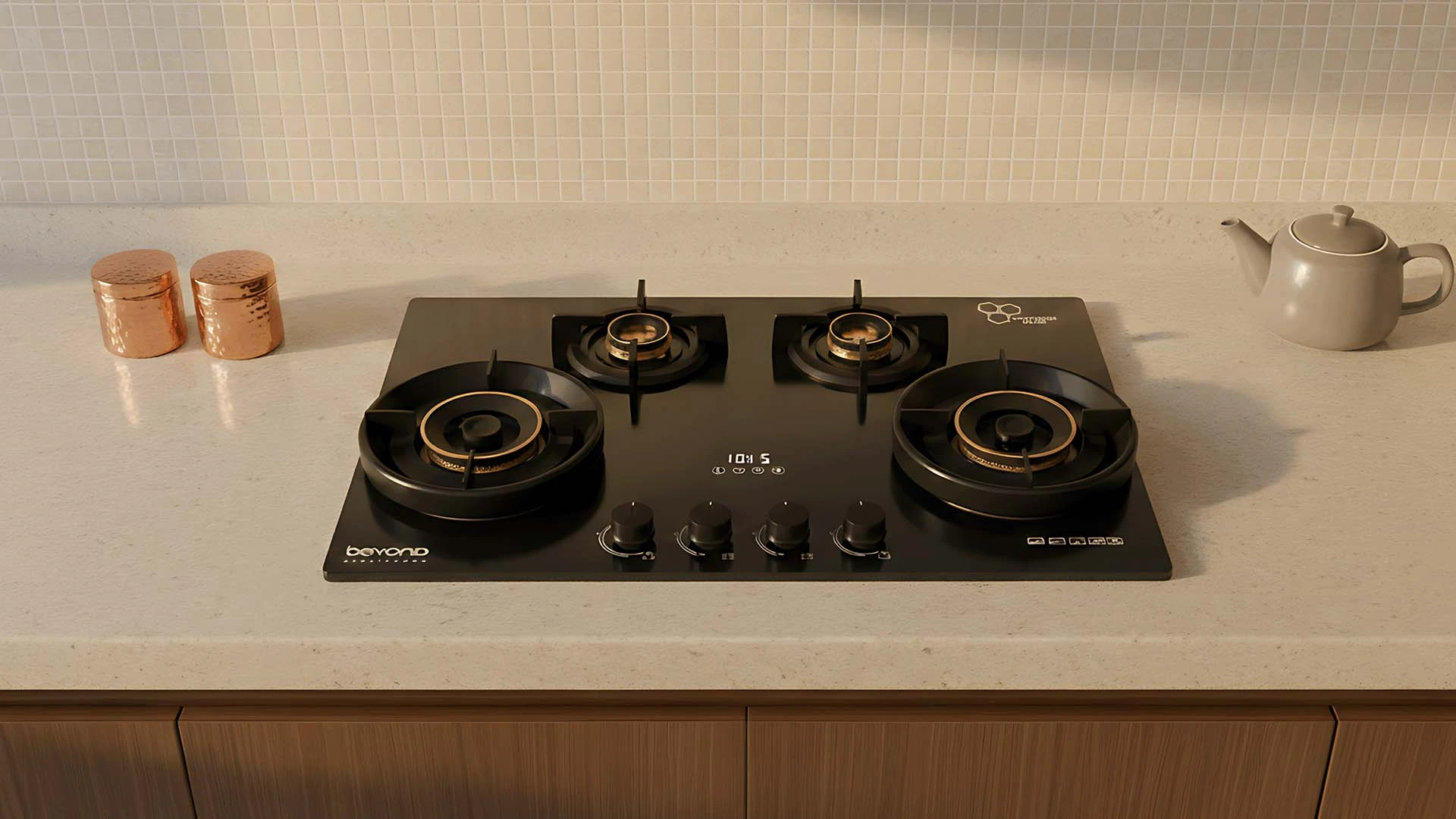
Selecting the perfect hobtop for your Indian kitchen can feel overwhelming with countless options flooding the market. With traditional Indian cooking involving high-heat techniques, oil-heavy preparations, and heavy cookware, your choice of hobtop material and type becomes crucial for both performance and longevity. The wrong selection often leads to frequent repairs, poor cooking results, and unnecessary expenses. This comprehensive hobtop buying guide will walk you through every essential factor, from material durability to energy efficiency, helping you make an informed decision that perfectly matches your cooking style and kitchen needs.
Indian kitchens demand hobtops that can withstand intense heat, frequent use, and the unique challenges of our cooking methods. The best hobtop material for Indian kitchens must handle everything from delicate tempering to high-heat stir-frying while maintaining its appearance and functionality over years of use.
Stainless steel hobtops offer exceptional durability for Indian cooking styles. They resist staining from turmeric and tomato-based gravies while handling the thermal stress of tadka preparation. The non-porous surface prevents oil absorption, making cleanup easier after cooking rich Indian dishes. Most importantly, stainless steel maintains its structural integrity even with heavy kadais and pressure cookers.
Glass cooktops provide a sleek, modern appearance that complements contemporary kitchen designs. However, they require careful handling with traditional Indian cookware. The smooth surface makes cleaning spills and splatters straightforward, but thermal shock from rapid temperature changes can cause damage. Consider your cooking habits before choosing glass surfaces.
The choice between gas and induction technology significantly impacts your cooking experience and long-term costs. Each option offers distinct advantages depending on your cooking preferences, kitchen infrastructure, and energy considerations.
Gas hobs provide instant heat control that Indian cooks prefer for techniques like tempering spices or adjusting flame intensity mid-cooking. The visible flame allows precise temperature management, essential for dishes requiring specific heat levels. Induction hobs offer consistent heat distribution and faster cooking times, reducing overall energy consumption by up to 50% compared to gas options.
Modern gas hobs include flame failure safety devices that automatically cut gas supply if flames extinguish accidentally. Induction cooktops feature child locks, auto-shutoff timers, and overheat protection. Both technologies have evolved to meet Indian safety standards, but induction eliminates risks associated with gas leaks and open flames.
Your hobtop selection should align with your family size, cooking frequency, and kitchen layout. Consider these critical features to ensure your investment serves you well for years to come.
Four-burner layouts work best for families regularly preparing multiple dishes simultaneously. Look for varied burner sizes including a high-power burner for quick boiling and a simmer burner for slow cooking. Gas burners should offer at least 3.5 kW power for the main burner, while induction models need 2000W or higher for efficient cooking.
Removable drip trays and dishwasher-safe components simplify cleaning after cooking oil-heavy Indian meals. Easy to clean cooktops feature smooth surfaces without crevices where food particles can accumulate. Cast iron pan supports should lift out easily for thorough washing, while control knobs should resist grease buildup.
Long-term operating costs vary significantly between gas and induction hobtops. Understanding these differences helps you choose the most economical option for your household cooking patterns.
Induction hobtops typically cost INR 800-1200 monthly for average Indian families, while gas options range from INR 600-900 depending on LPG prices. Energy efficient cooktops with high-efficiency burners can reduce these costs by 15-20%. Factor in electricity tariff rates in your area when comparing induction models.
Quality hobtops should last 8-12 years with proper maintenance. Stainless steel models generally outlast glass surfaces in Indian cooking conditions. Consider warranty coverage and local service availability when evaluating durable hobtop options. Premium brands often provide better long-term value despite higher initial costs.
Proper installation ensures optimal performance and safety while maintaining your kitchen's aesthetic appeal. Plan your hobtop integration carefully to avoid costly modifications later.
Built-in hobtops require precise cutout dimensions, typically 560mm x 490mm for standard four-burner models. Ensure adequate ventilation clearance of at least 650mm above the cooking surface for chimney installation. Gas models need additional safety clearances from walls and cabinets.
Certified installation protects your warranty coverage and ensures compliance with safety regulations. Professional installers handle gas line connections, electrical requirements, and proper sealing. DIY installation may void warranties and create safety hazards, especially for gas models.
Stainless steel offers the best combination of durability, heat resistance, and maintenance ease for Indian kitchens. It handles high-heat cooking methods and heavy cookware without damage while resisting stains from spices and oils.
Consider your cooking style, existing kitchen infrastructure, and energy costs. Gas provides better heat control for traditional Indian cooking, while induction offers faster cooking and energy efficiency. Evaluate your electricity supply stability and LPG availability.
A four-burner hobtop with varied burner sizes works best for medium to large families. Look for models with at least one high-power burner, two medium burners, and one simmer burner to handle multiple cooking tasks simultaneously.
Glass cooktops can work for Indian kitchens but require careful handling. They clean easily but may crack from thermal shock when using heavy traditional cookware or rapid temperature changes common in Indian cooking techniques.
Quality hobtops range from INR 8,000 for basic models to INR 35,000 for premium options. Mid-range models between INR 15,000-25,000 typically offer the best value with essential features and reliable performance for Indian cooking needs.
Choosing your ideal hobtop requires balancing performance, durability, and budget considerations specific to Indian cooking requirements. Stainless steel surfaces with gas burners remain the most practical choice for traditional cooking styles, while induction options suit modern, energy-conscious households. Prioritize features like easy cleaning, adequate power output, and reliable safety mechanisms. Professional installation and regular maintenance ensure optimal performance and longevity. Consider your family size, cooking frequency, and kitchen infrastructure when making your final decision.
