

Essential Checklist: Auto Start Stove Tech Explained
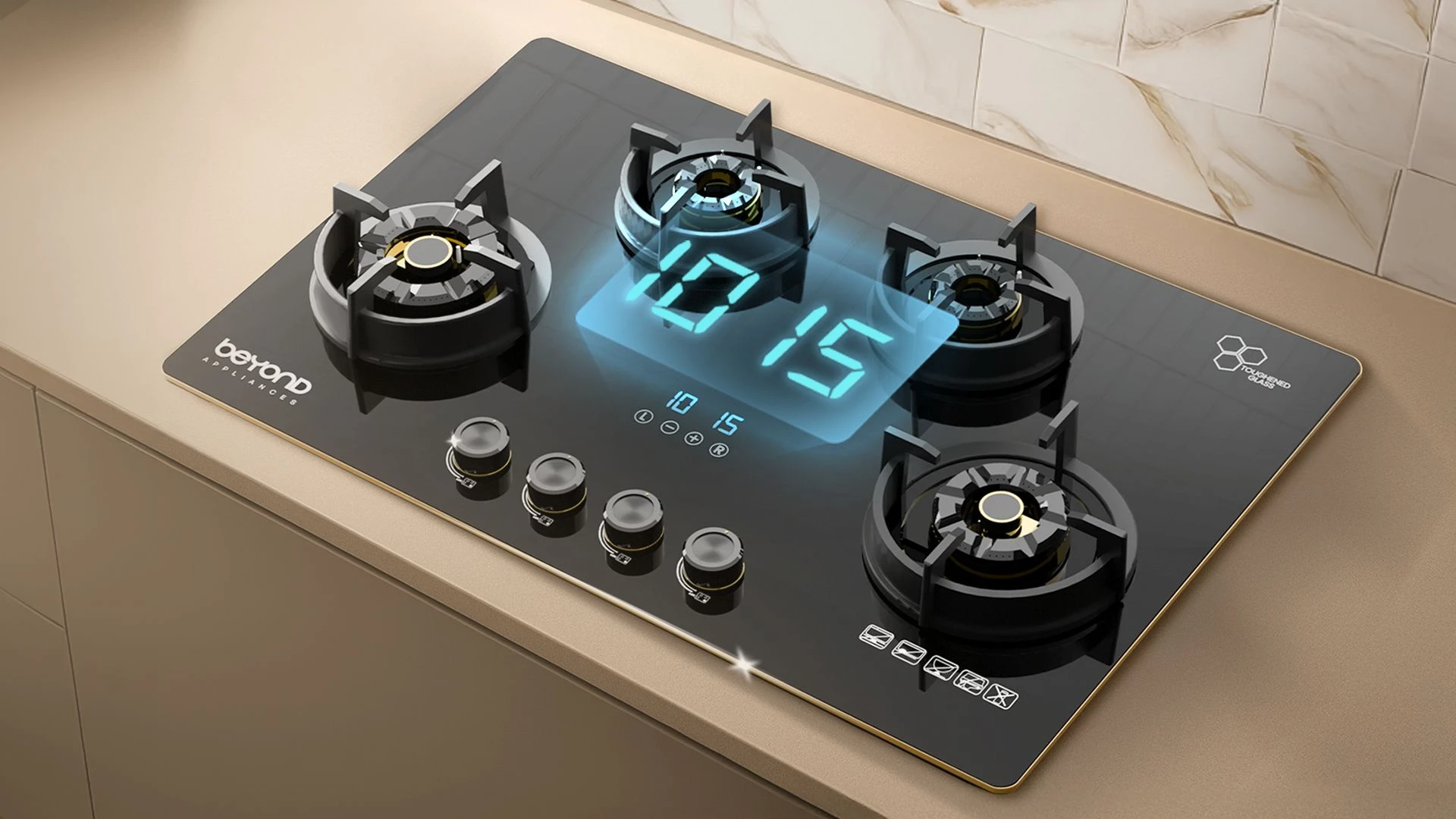
Modern kitchens are embracing smart technology like never before. Auto start stove technology represents a significant leap forward in cooking convenience and safety. This innovative system eliminates the need for manual ignition while adding layers of safety and automation to your daily cooking routine. Understanding how this technology works helps you make informed decisions about upgrading your kitchen appliances. From basic automatic ignition to full smart home integration, these systems offer various features that transform the cooking experience.
Auto start stove technology explained simply means a system that automatically ignites your gas stove without manual intervention. This technology uses electronic ignition systems instead of traditional pilot lights or manual lighters. The core functionality relies on either piezo-electric igniters or battery-powered ignition circuits that create sparks when you turn the control knob. The evolution from manual to automatic ignition systems has made cooking safer and more convenient. Traditional stoves required matches or lighters, creating potential safety hazards. Modern auto start systems eliminate these risks while providing instant, reliable ignition every time you cook.
The automatic stove ignition process begins when you turn the control knob. This action simultaneously opens the gas valve and triggers the ignition system. Piezo-electric igniters generate electrical sparks through mechanical pressure, requiring no external power source. Battery-powered systems use small electrical charges to create consistent sparks for reliable ignition.
Piezo-electric systems offer maintenance-free operation and work during power outages. Battery-powered systems provide more consistent sparking but require periodic battery replacement. Both systems include safety sensors that monitor gas flow and flame presence for optimal safety.
Smart stove technology extends beyond basic auto-ignition to include connectivity and programmable features. Modern systems integrate with smartphone apps, allowing stove remote start capabilities from anywhere in your home. These advanced features transform cooking from a manual process into an automated experience. Programmable stove options let you preset cooking times, temperatures, and even multi-step cooking sequences. Voice control integration works with popular smart home platforms, enabling hands-free operation. Some models include learning algorithms that adapt to your cooking patterns and preferences.
Cooking automation reduces the guesswork in meal preparation. Preset programs ensure consistent results for common dishes. Multi-zone coordination allows different burners to work together for complex meals. Energy efficiency optimization features adjust flame intensity based on cookware size and cooking requirements.
Stove safety features form the foundation of modern auto start technology. Flame failure devices automatically shut off gas flow if the flame goes out unexpectedly. This prevents dangerous gas accumulation in your kitchen. Overheating protection systems monitor surface temperatures and adjust or shut down burners when necessary. Child safety locks prevent accidental ignition or gas release. Carbon monoxide detection capabilities alert you to potentially dangerous conditions. These safety systems work continuously in the background, providing peace of mind during cooking.
Automatic shut-off systems use multiple sensors to detect unsafe conditions. Temperature sensors monitor for overheating while gas sensors detect leaks. When dangerous conditions arise, the system immediately stops gas flow and alerts users through visual or audio signals.
The benefits of auto ignition stoves include enhanced safety, convenience, and energy efficiency. No more searching for matches or dealing with pilot lights. Instant ignition saves time and reduces gas waste. Safety improvements eliminate many common kitchen accidents associated with manual ignition methods. However, disadvantages of an auto-ignition gas stove include potential maintenance requirements and battery dependency for some models. Electronic components may need occasional service or replacement. Power outages can affect battery-powered systems, though piezo-electric models continue working normally.
Efficient cooking stoves with auto-ignition technology typically consume less gas than traditional models. Precise flame control reduces energy waste. Faster ignition means less time with gas flowing before combustion begins. Long-term cost savings often offset the higher initial purchase price.
Smart kitchen appliances work together to create a connected cooking environment. Remote controlled stove functionality integrates with home automation platforms like Alexa, Google Home, and Apple HomeKit. Mobile apps provide cooking timers, temperature monitoring, and energy usage tracking. Integration with other kitchen appliances enables coordinated cooking sequences. Your smart stove can communicate with range hoods, ovens, and even refrigerators to optimize the entire cooking process. This connectivity transforms individual appliances into a cohesive smart kitchen ecosystem.
Installation requires proper electrical connections for smart features and standard gas line connections. Smart home network compatibility ensures reliable connectivity. Professional installation ensures safety compliance and optimal performance. Initial configuration includes connecting to your home network and setting up mobile app access.
When selecting an auto start stove, consider ignition type, smart features, and safety certifications. Piezo-electric systems offer reliability without battery maintenance. Battery-powered systems provide more consistent ignition performance. Smart features should align with your existing home automation setup. Price ranges vary from basic auto-ignition models starting around INR 15,000 to fully smart systems costing INR 50,000 or more. Extended warranty options provide additional protection for electronic components. Professional installation and after-sales service support ensure long-term satisfaction.
Regular maintenance includes cleaning ignition electrodes and checking gas connections. Battery replacement schedules vary by model but typically occur annually. Professional service recommendations include annual safety inspections and component testing. Proper maintenance ensures reliable operation and extends appliance lifespan.
Automatic stoves use electronic ignition systems that create sparks when you turn the control knob. The system simultaneously opens the gas valve and triggers ignition, eliminating the need for manual lighting.
Yes, modern auto start stoves include automatic shut-off features that stop gas flow when flames go out or unsafe conditions are detected. These safety systems prevent gas accumulation and potential hazards.
Benefits include enhanced safety, convenience, energy efficiency, and elimination of manual ignition methods. They provide instant, reliable ignition while reducing gas waste and kitchen accidents.
Piezo-electric models work normally during power outages since they generate their own ignition spark. Battery-powered models continue working until batteries are depleted.
Battery replacement typically occurs annually, though usage patterns affect battery life. Heavy cooking use may require more frequent replacement, while light use can extend battery life beyond one year.
Auto start stove technology explained reveals a sophisticated system that enhances kitchen safety and convenience. From basic automatic ignition to full smart home integration, these systems offer various benefits for modern cooking. Understanding the technology helps you choose the right features for your needs while ensuring safe, efficient operation. Whether you prioritize safety features, smart connectivity, or simple convenience, auto start stoves provide significant improvements over traditional manual ignition systems.
