

Essential Checklist: Auto-Clean Chimney Maintenance
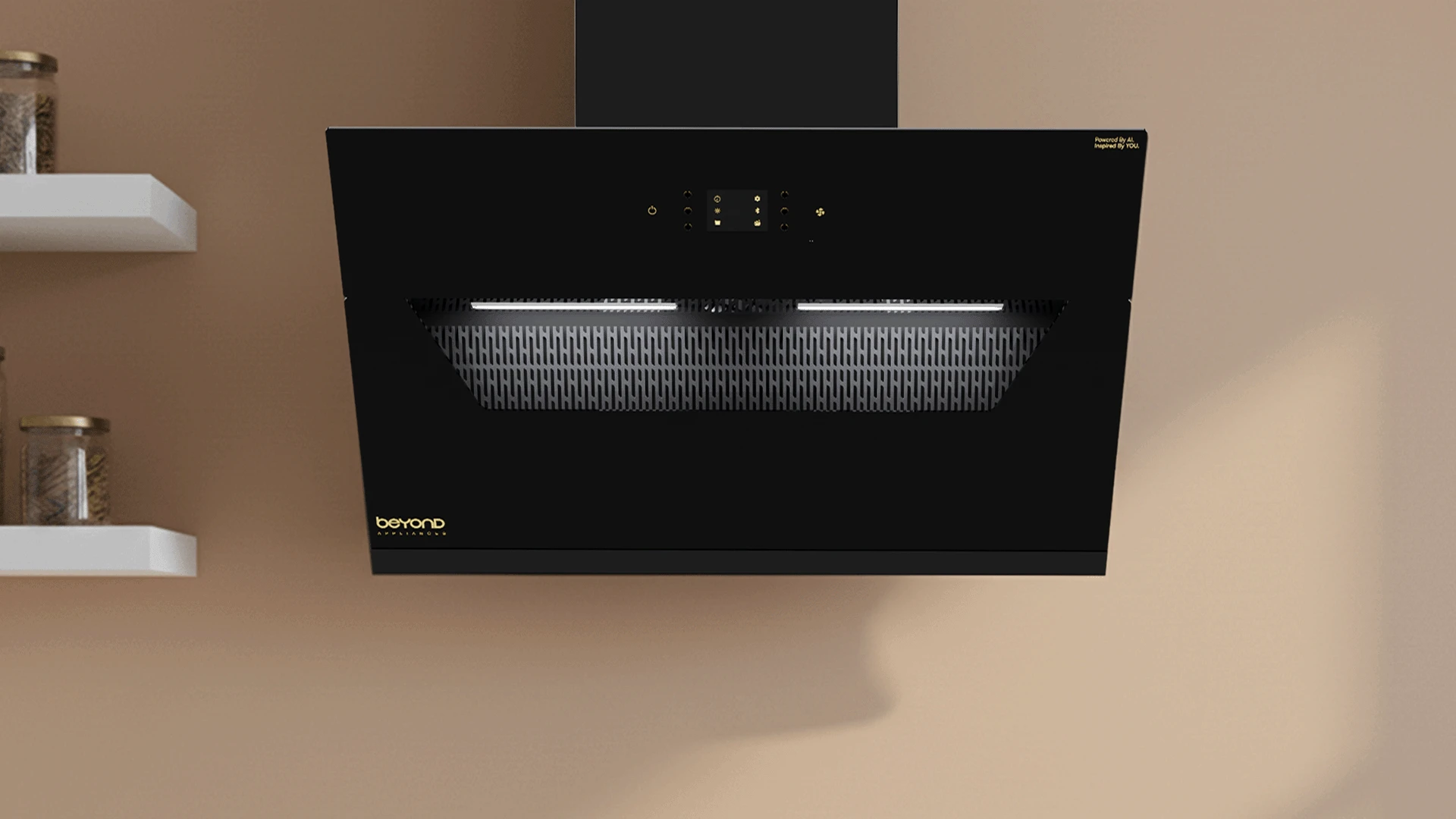
Modern kitchens demand smart solutions that reduce maintenance while maximizing efficiency. Auto-clean chimneys have revolutionized kitchen ventilation by promising reduced upkeep and enhanced performance. However, many homeowners wonder: does auto-clean chimney eliminate filter cleaning entirely? The answer involves understanding how these advanced systems work and what maintenance they still require. This comprehensive checklist will guide you through everything you need to know about auto-clean chimney maintenance, helping you make informed decisions about your kitchen ventilation needs.
Auto-clean chimneys represent a significant advancement in kitchen ventilation technology. These systems use heat-based cleaning mechanisms to break down grease and oil deposits automatically, reducing the need for frequent manual cleaning.
Auto-clean chimneys operate through a sophisticated heat-based cleaning process. When activated, the system heats internal components to temperatures that melt accumulated grease and oil. This liquefied residue then drains into a collection tray for easy disposal. Traditional chimneys require manual scrubbing and filter replacement, while auto-clean models handle much of this process automatically.
Does auto-clean chimney eliminate filter cleaning completely? The honest answer is no, but it significantly reduces cleaning frequency. Most auto-clean chimneys still use baffle filters or cassette filters that require periodic maintenance. However, the cleaning intervals extend from weekly to monthly or even quarterly, depending on usage patterns and cooking habits.
The auto clean chimney benefits extend far beyond reduced cleaning frequency. These systems offer comprehensive advantages that make them worthwhile investments for modern kitchens.
Auto-clean technology reduces manual cleaning time by up to 80%. Instead of weekly filter cleaning sessions, users typically need monthly maintenance checks. This time savings translates to more convenient kitchen management and reduced household chores.
Self-cleaning mechanisms maintain optimal suction efficiency by preventing grease buildup. This consistent performance ensures better odor elimination and improved air quality. The automatic cleaning cycles prevent the gradual performance degradation common in traditional chimneys.
While auto-clean chimneys require higher initial investment, they offer significant long-term savings. Reduced professional cleaning needs and extended component lifespan offset the initial cost. Many users save INR 3,000-5,000 annually on maintenance expenses.
The self cleaning chimney advantages become apparent when comparing performance metrics and maintenance requirements. These systems offer superior convenience and efficiency compared to conventional models.
Modern auto-clean chimneys include intelligent features like automated cleaning cycles, temperature sensors, and energy-efficient motors. These smart kitchen chimney capabilities optimize performance while minimizing energy consumption. Advanced models offer programmable cleaning schedules and performance monitoring.
Some auto-clean models feature filterless chimney technology using advanced baffle systems. These designs eliminate traditional mesh filters entirely, relying on centrifugal force and heat cleaning. However, even filterless models require periodic maintenance of internal components and collection trays.
Effective maintenance ensures optimal performance and longevity. Following proper chimney maintenance tips maximizes the benefits of auto-clean technology while preventing common issues.
Weekly tasks include wiping external surfaces and checking oil collection trays. Monthly maintenance involves inspecting suction performance and cleaning accessible components. These simple tasks maintain optimal functionality between auto-clean cycles.
Chimney cleaning frequency depends on cooking habits and usage patterns. Heavy users may need monthly filter checks, while moderate users can extend intervals to quarterly. Auto-clean cycles should run weekly for optimal performance, regardless of usage levels.
Efficient chimney cleaning involves systematic approaches to maintenance tasks. Use warm soapy water for external cleaning, specialized degreasers for stubborn residue, and soft brushes for delicate components. Always disconnect power before cleaning and allow complete drying before reconnection.
Maximizing automatic chimney cleaner efficiency requires understanding optimal usage patterns and maintenance practices. Proper optimization ensures consistent performance and extended system lifespan.
Run auto-clean cycles during off-peak hours to avoid kitchen heat buildup. Ensure adequate ventilation during cleaning cycles and maintain proper temperature settings. Regular use of auto-clean functions prevents excessive grease accumulation that could overwhelm the system.
Effective kitchen ventilation solutions combine auto-clean chimneys with proper installation and complementary systems. Ensure adequate duct sizing, proper exhaust routing, and sufficient makeup air for optimal performance. Professional installation guarantees correct setup and maximum efficiency.
Regular monitoring prevents major issues and ensures consistent performance. This comprehensive checklist helps identify potential problems before they affect system functionality.
Reduced suction often indicates clogged ducts or overloaded collection trays. Cleaning cycle malfunctions may result from temperature sensor issues or electrical problems. Filter-related concerns typically involve improper installation or excessive grease buildup bypassing the auto-clean system.
Check suction performance by testing air movement at various speeds. Inspect collection trays for proper drainage and capacity. Examine external surfaces for grease accumulation and clean as needed. Test auto-clean cycle functionality and monitor completion times.
Auto-clean chimneys significantly reduce but do not completely eliminate filter cleaning. Most models still require periodic filter maintenance, though intervals extend from weekly to monthly or quarterly depending on usage.
Filter cleaning frequency in auto-clean chimneys typically ranges from monthly to quarterly, compared to weekly cleaning in traditional models. Heavy cooking may require more frequent attention.
Self-cleaning chimneys still require external cleaning, collection tray maintenance, performance monitoring, and periodic filter checks. However, these tasks are less frequent and less intensive than traditional chimney maintenance.
Auto-clean chimneys maintain more consistent performance by preventing gradual grease buildup. They typically achieve 85-90% cleaning efficiency automatically, with periodic manual maintenance ensuring optimal performance.
Auto-clean chimneys offer substantial maintenance reduction without completely eliminating all cleaning requirements. These systems provide excellent chimney filter cleaning reduction while maintaining superior performance. Understanding proper maintenance schedules and optimization techniques ensures maximum benefits from your investment. While auto-clean technology significantly simplifies kitchen ventilation maintenance, some periodic attention remains necessary for optimal performance. Choose auto-clean chimneys for convenience, efficiency, and long-term cost savings in your modern kitchen setup.
