
Cooktop Energy Usage: Complete Buyer's Guide
Cart
Your cart is empty
Choosing the right cooktop for your kitchen involves more than just cooking preferences. Energy consumption plays a crucial role in your monthly utility bills and environmental footprint. With rising electricity and gas costs, understanding cooktop energy usage comparison becomes essential for making an informed purchase decision. Different cooktop types consume energy differently, and the efficiency gap between gas, electric, and induction models can significantly impact your household expenses. This comprehensive guide breaks down the energy consumption patterns of various cooktop types, helping you select the most efficient option for your cooking needs and budget.
Cooktop power consumption varies significantly based on the technology used and cooking methods employed. Gas cooktops measure energy in BTUs (British Thermal Units), while electric and induction models use watts to indicate power consumption. The actual energy usage depends on several factors including cookware quality, cooking duration, and heat settings used during meal preparation. Energy efficiency in cooking appliances refers to how much of the consumed energy actually reaches your food. Traditional gas cooktops typically achieve 40-55% efficiency, meaning significant energy escapes as ambient heat. Electric cooktops perform slightly better at 65-70% efficiency, while induction technology leads the pack with impressive 85-90% energy transfer rates.
Cookware compatibility plays a vital role in energy efficiency. Using properly sized pots and pans ensures optimal heat transfer and reduces wasted energy. Cooking habits like preheating duration, heat level selection, and multitasking also influence overall power consumption.
Gas cooktops typically cost INR 8-15 per hour of operation, depending on local gas prices. Electric models range from INR 12-25 per hour, while induction cooktops, despite higher wattage, often cost INR 10-18 per hour due to superior efficiency and faster cooking times.
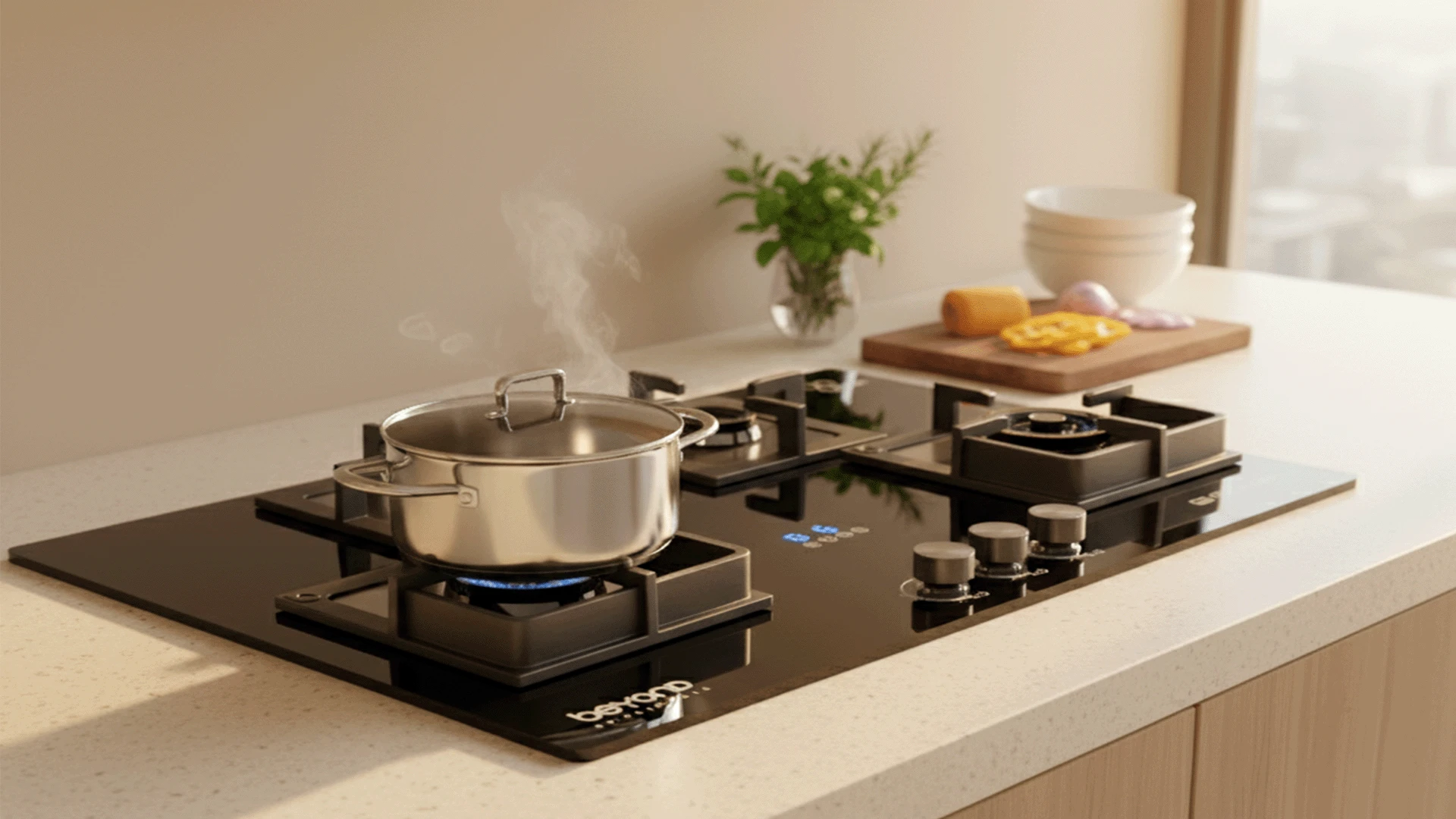
Gas cooktops remain popular for their instant heat control and lower operating costs in many regions. These appliances typically range from 5,000 to 18,000 BTUs per burner, with larger burners consuming more energy but providing faster cooking capabilities. The efficiency of gas cooking depends heavily on burner design and flame adjustment. Modern gas cooktops feature innovations that improve energy efficiency. Full brass burners provide better heat distribution and durability, ultimately saving more gas through improved combustion. The jumbo burner design allows efficient cooking for larger families while maintaining optimal gas consumption rates.
Higher BTU ratings don't always mean better efficiency. A well-designed 12,000 BTU burner often outperforms a poorly designed 15,000 BTU unit in terms of actual cooking performance and gas consumption.
Modern safety features like flame failure devices and auto ignition not only enhance safety but also improve energy efficiency by preventing gas wastage from failed lighting attempts or accidental flame extinguishing.
Electric cooktop efficiency has improved significantly with technological advances. Traditional coil-style electric cooktops typically consume 1,200-3,000 watts per element, while smooth-top ceramic models offer better heat distribution and easier maintenance. The key advantage of electric cooktops lies in their consistent heat output and precise temperature control. Electric cooktops convert nearly all consumed electricity into heat, but heat transfer efficiency to cookware remains lower than induction technology. The 8mm toughened glass surfaces found in premium models handle high heat effortlessly while providing scratch-resistant durability for long-lasting performance.
Electric cooktop users can optimize costs by cooking during off-peak electricity hours when rates are lower. Time-of-use electricity plans can significantly reduce cooking energy expenses.
Electric cooktops retain heat longer than gas models, allowing for energy-efficient cooking techniques like turning off elements before food completion and using residual heat.
Induction technology represents the pinnacle of cooking energy efficiency. These cooktops typically range from 1,200 to 3,700 watts per element but achieve remarkable 85-90% energy transfer efficiency. Unlike gas or traditional electric cooktops, induction directly heats compatible cookware through electromagnetic fields, eliminating energy loss to surrounding air. The superior efficiency of induction cooking translates to faster cooking times and lower energy costs despite higher initial wattage consumption. Water boils approximately 50% faster on induction compared to gas or electric alternatives, reducing overall energy usage per cooking session.
Induction efficiency depends entirely on using magnetic cookware. Stainless steel, cast iron, and magnetic-bottom pans work perfectly, while aluminum, copper, and glass cookware require induction-compatible bases.
Instant heat adjustment and precise temperature control prevent energy waste from overheating or extended cooking times, making induction the most energy-efficient cooking method available.
Modern cooktops incorporate intelligent features designed to minimize energy waste and enhance cooking efficiency. Smart timer functionality automatically turns off gas and flame when preset cooking time expires, preventing unnecessary energy consumption and improving safety. These automated systems ensure optimal energy usage without compromising cooking quality. Advanced models feature temperature sensors that maintain precise heat levels, reducing energy fluctuations and improving cooking consistency. Auto ignition systems eliminate gas waste from failed lighting attempts, while programmable cooking modes optimize energy consumption for specific dishes and cooking methods.
Some premium cooktops include energy usage tracking, allowing users to monitor consumption patterns and identify opportunities for efficiency improvements.
Connected cooktops can coordinate with smart home systems to optimize energy usage based on electricity rates, household schedules, and cooking preferences.
Induction cooktops are the most energy-efficient option, achieving 85-90% energy transfer efficiency compared to 40-55% for gas and 65-70% for electric cooktops. Despite higher wattage ratings, induction's superior efficiency and faster cooking times result in lower overall energy consumption.
Gas cooktops typically cost INR 8-15 per hour, electric models range from INR 12-25 per hour, and induction cooktops cost approximately INR 10-18 per hour. Actual costs vary based on local utility rates and cooking intensity.
Yes, induction cooktops often reduce cooking energy costs by 20-30% compared to traditional electric models and can compete with gas costs in many regions. The combination of superior efficiency and faster cooking times creates significant savings over time.
Use properly sized cookware, match pan size to burner size, keep lids on pots when possible, and avoid preheating longer than necessary. Regular maintenance and using appropriate heat settings also maximize efficiency across all cooktop types.
For gas cooktops, multiply BTU rating by hours used and convert to therms. For electric models, multiply wattage by hours used to get kilowatt-hours. Then multiply by your local utility rates to determine actual costs.
Smart features like automatic shut-off timers and temperature controls typically pay for themselves through energy savings within 2-3 years. The smart timer and flame failure device features prevent energy waste while enhancing safety and convenience.
Cooktop energy usage comparison reveals significant differences between gas, electric, and induction technologies. Induction cooktops lead in energy efficiency, while gas models offer competitive operating costs in many regions. Electric cooktops provide consistent performance with moderate efficiency levels. Smart features and proper cooking techniques can optimize energy consumption regardless of cooktop type. Consider your local utility rates, cooking habits, and long-term costs when selecting the most energy-efficient cooktop for your kitchen needs.
