

Connect Your Chimney to Smart Home: Easy Guide
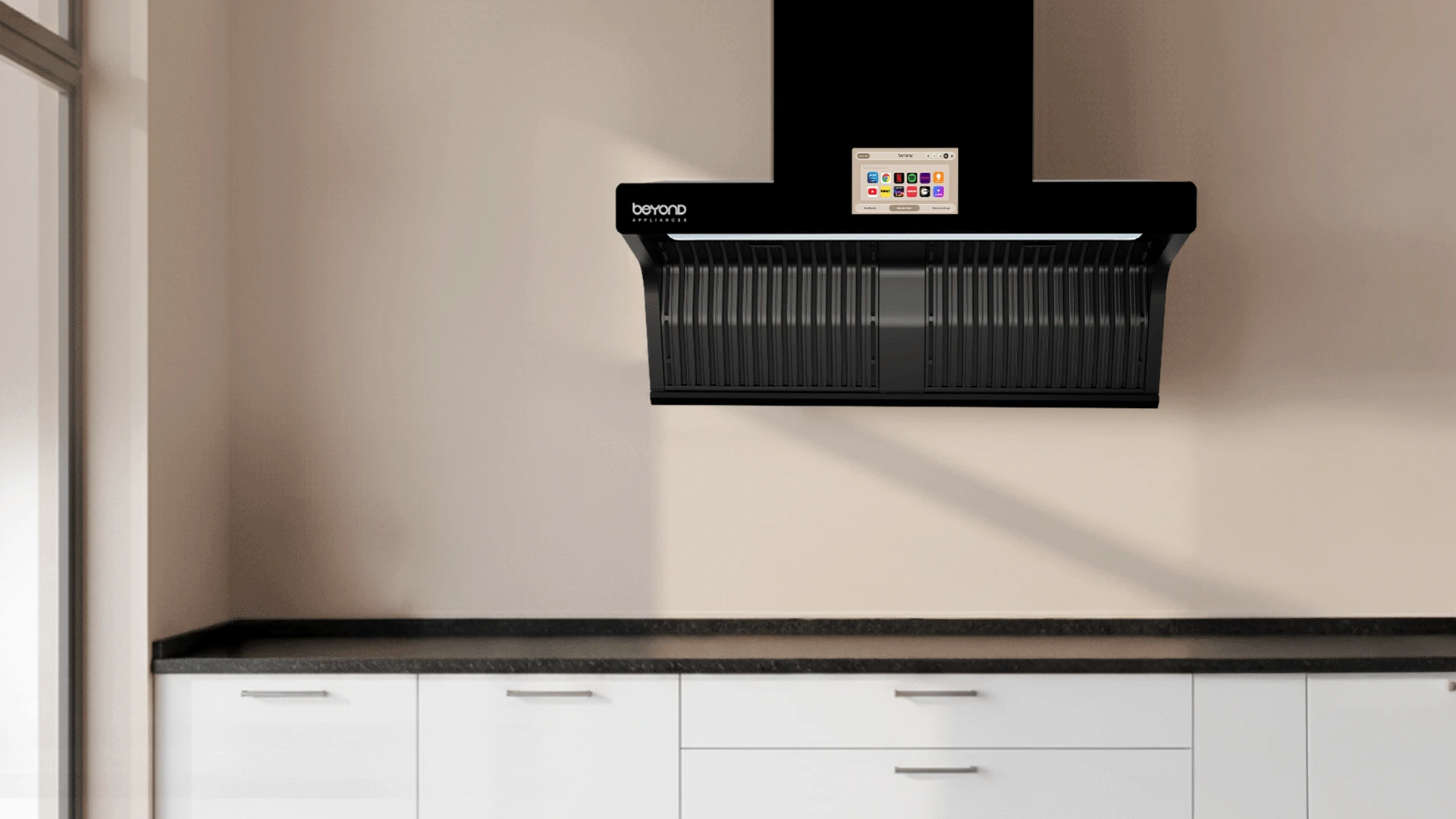
Modern kitchens are evolving rapidly, and smart home technology has transformed how we interact with our appliances. Smart chimney systems represent the next frontier in kitchen automation, offering unprecedented control over ventilation, energy efficiency, and safety. Whether you're renovating your kitchen or building a new home, integrating your chimney into your smart home ecosystem can significantly enhance your cooking experience while reducing energy costs. This comprehensive guide walks you through everything you need to know about chimney automation and creating a seamlessly connected fireplace or kitchen ventilation system.
Smart chimney systems revolutionize traditional ventilation by incorporating sensors, automated controls, and connectivity features that respond intelligently to your cooking needs. These systems monitor air quality, temperature, and humidity levels to optimize ventilation automatically.
A typical smart chimney includes motorized dampers, air quality sensors, temperature monitors, and wireless connectivity modules. These components work together to create an intelligent ventilation network that responds to real-time conditions in your kitchen.
Smart systems reduce energy consumption by up to 30% compared to traditional chimneys. They operate only when needed and adjust fan speeds based on actual air quality readings, resulting in lower electricity bills and reduced environmental impact.
Advanced safety monitoring includes carbon monoxide detection, automatic shutoff mechanisms, and leak detection systems. These features provide peace of mind and protect your family from potential hazards associated with cooking fumes and gas appliances.
Building an effective smart home ventilation system requires carefully selected components that work harmoniously with your existing appliances and home automation platform. The right combination ensures optimal performance and seamless integration.
Motorized dampers form the backbone of any chimney control system. These devices automatically open and close based on cooking activity, weather conditions, and preset schedules. Professional-grade dampers offer precise control and long-term reliability.
Air quality sensors detect smoke, grease particles, and cooking odors to trigger appropriate ventilation responses. Temperature and humidity sensors prevent condensation buildup and maintain optimal indoor air quality throughout your cooking sessions.
Most modern systems integrate with popular platforms like Amazon Alexa, Google Home, and Apple HomeKit. This compatibility enables voice control, smartphone management, and integration with other smart appliances in your kitchen.
Installing a fireplace automation or kitchen chimney system requires careful planning and attention to safety protocols. While some components can be installed by experienced DIY enthusiasts, professional installation ensures optimal performance and safety compliance.
Begin by evaluating your existing chimney structure, electrical requirements, and ventilation needs. Measure duct dimensions, assess power supply availability, and identify optimal sensor placement locations. This assessment determines which components you'll need for your specific setup.
Install motorized dampers in the main ductwork, ensuring proper sealing and secure mounting. Run low-voltage wiring for sensors and control modules, following local electrical codes. Position air quality sensors away from direct cooking heat but within the ventilation path.
Connect all components to your home's Wi-Fi network and configure the control app. Test each function individually before running comprehensive system tests. Verify that safety shutoff mechanisms work correctly and that all sensors provide accurate readings.
Once your hardware is installed, configuring remote chimney control capabilities transforms your kitchen into a truly smart cooking environment. Modern control systems offer intuitive interfaces and powerful automation features.
Download the manufacturer's app and create your account. Follow the guided setup process to connect your chimney system to your home network. Most apps include step-by-step tutorials that simplify the configuration process.
Set up automatic ventilation schedules based on your cooking habits. Create rules that activate the system when you turn on your cooktop or when air quality sensors detect cooking activity. Advanced systems learn your patterns and adjust automatically over time.
Link your chimney system to your preferred voice assistant for hands-free operation. Simple commands like "Turn on kitchen ventilation" or "Set chimney to high speed" make cooking more convenient, especially when your hands are busy with food preparation.
Integrating your chimney with other kitchen appliances creates a comprehensive smart cooking ventilation ecosystem that responds intelligently to your culinary activities. This coordination maximizes efficiency and enhances your cooking experience.
Modern gas stoves and electric cooktops can communicate with your chimney system to automatically adjust ventilation based on cooking intensity. This chimney integration ensures optimal air quality without manual intervention.
Advanced systems manage ventilation across multiple kitchen zones, adjusting airflow based on where cooking activity occurs. This targeted approach improves efficiency while maintaining comfortable conditions throughout your kitchen space.
Maintaining your efficient chimney system ensures long-term performance and safety. Regular maintenance prevents problems and extends the lifespan of your investment.
Smart systems require periodic cleaning of sensors, filters, and ductwork. Most systems provide maintenance reminders through their mobile apps, alerting you when cleaning or component replacement is needed.
Schedule annual professional inspections to verify system performance and safety compliance. Qualified technicians can identify potential issues before they become serious problems and ensure your system operates at peak efficiency.
Smart chimney conversion typically costs between INR 15,000 to INR 50,000, depending on your existing setup and desired features. Basic automation starts around INR 15,000, while comprehensive systems with advanced sensors and controls can reach INR 50,000 or more.
Yes, most existing chimneys can be upgraded with smart components. The retrofit process involves adding motorized dampers, sensors, and control modules to your current system without major structural modifications.
Most smart chimney systems work with popular platforms including Amazon Alexa, Google Home, Apple HomeKit, and Samsung SmartThings. Check compatibility before purchasing to ensure seamless integration with your existing smart home setup.
Smart systems reduce energy consumption by operating only when needed, adjusting fan speeds based on actual air quality, and coordinating with other appliances to optimize overall kitchen ventilation efficiency.
Modern smart chimney systems include multiple safety features like automatic shutoff, carbon monoxide detection, and backup manual controls. Professional installation and regular maintenance ensure reliable, safe operation.
Transforming your kitchen with smart chimney technology offers significant benefits in convenience, energy efficiency, and safety. While the initial investment may seem substantial, the long-term savings and enhanced cooking experience make it worthwhile. Start with a thorough assessment of your current setup, choose components that integrate well with your existing smart home system, and consider professional installation for optimal results. Regular maintenance ensures your smart chimney system continues providing efficient, safe ventilation for years to come.
