
Chimney Width vs Hob Size: Complete Guide
Cart
Your cart is empty
Getting the right chimney width for your hob size is crucial for effective kitchen ventilation. Many homeowners struggle with this decision, often ending up with poor air circulation or inefficient cooking experiences. The ideal chimney width vs hob size comparison depends on several factors including your cooking habits, kitchen layout, and the type of hob you use. Understanding these fundamentals helps ensure your kitchen stays fresh, clean, and comfortable while cooking. This comprehensive guide covers everything you need to know about matching chimney dimensions to your cooktop for optimal performance.
Proper sizing between your chimney and hob creates the foundation for efficient kitchen ventilation. The relationship between these two appliances directly impacts air quality, cooking comfort, and overall kitchen functionality.
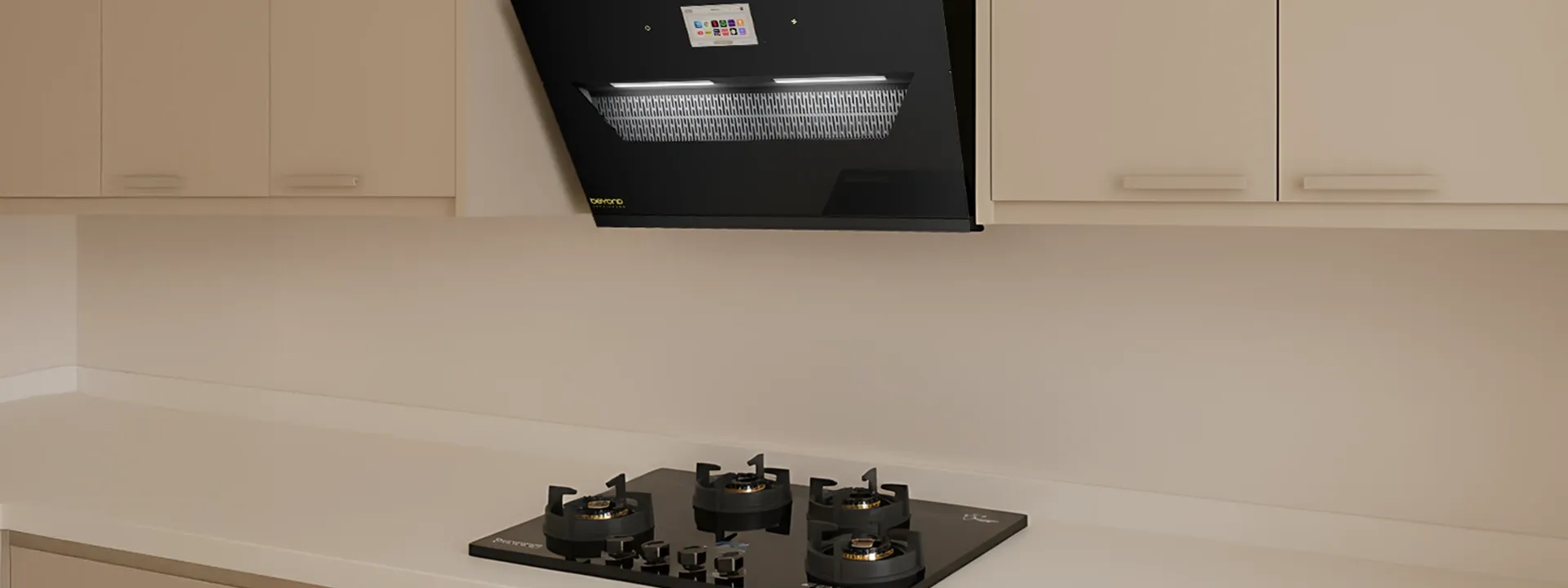
The basic rule states that your chimney should be at least as wide as your hob, preferably 6 inches wider on each side. This ensures complete coverage of the cooking area and captures rising steam, smoke, and odors effectively. Standard measurement principles recommend a minimum overhang of 3 inches beyond the hob edges for optimal performance.
Gas hobs produce more heat and combustion byproducts, requiring stronger ventilation compared to electric or induction cooktops. A chimney width for gas hob should account for the higher BTU output and increased air circulation needs. Electric and induction hobs generate less airborne particles but still need proper ventilation for steam and cooking odors.
Choosing the right chimney size depends heavily on your hob configuration and cooking patterns. Different burner arrangements require specific ventilation approaches to maintain kitchen air quality.
For 2-burner hobs (typically 30cm wide), a 60cm chimney provides adequate coverage. 3-burner hobs (45-50cm) work best with 60-75cm chimneys. 4-burner hobs (60cm) require 75-90cm chimneys for optimal performance. The best size chimney for hob configurations ensures complete capture of cooking emissions.
Range hood dimensions follow industry standards: • 60cm hobs: 60-75cm chimney width • 75cm hobs: 75-90cm chimney width • 90cm hobs: 90-120cm chimney width • Custom sizes: Add 15-30cm to hob width These calculations ensure proper air capture and circulation throughout your cooking area.
Technical compatibility between your hob and chimney affects both performance and safety. Understanding these specifications helps you make informed decisions about your kitchen ventilation system.
Gas hobs require specific considerations for hob and hood compatibility. Higher BTU burners need increased ventilation capacity and wider coverage areas. The chimney should handle the heat output while maintaining safe clearances from the cooking surface. Proper sizing prevents heat damage and ensures efficient operation.
Kitchen extractor fan size calculations involve CFM (Cubic Feet per Minute) requirements. Multiply your kitchen's square footage by 10-15 for basic ventilation needs. Heavy cooking requires 15-20 CFM per square foot. Gas hobs need additional 100 CFM per 10,000 BTU of burner output for complete ventilation.
Proper installation ensures your ventilation system works effectively and safely. Following established guidelines protects your investment and maintains optimal kitchen air quality.
Mount your extractor fan over hob at the correct height for maximum efficiency. Gas hobs require 65-75cm clearance, while electric hobs need 55-65cm. Island installations may need slightly higher mounting to accommodate traffic flow underneath.
Hob ventilation solutions vary by kitchen design. Galley kitchens benefit from wall-mounted units, while island setups require ceiling-mounted or downdraft systems. L-shaped kitchens need careful positioning to avoid interference with cabinet doors and workflow patterns.
Maximizing your ventilation system's performance requires understanding airflow patterns and system capabilities. Proper optimization ensures long-term satisfaction with your kitchen setup.
Cooktop ventilation works best when air flows smoothly from the cooking surface to the exhaust. Avoid obstacles that disrupt airflow patterns. Position the chimney to create a capture zone that encompasses all burners effectively. Regular maintenance keeps the system operating at peak efficiency.
Undersized chimneys fail to capture cooking emissions effectively, leading to lingering odors and grease buildup. Oversized units may create excessive noise and energy consumption. Poor positioning reduces effectiveness regardless of size. Choose dimensions based on actual cooking needs rather than aesthetic preferences alone.
Modern kitchens integrate smart features and design elements that enhance both functionality and appearance. These considerations help create a cohesive and efficient cooking environment.
Efficient kitchen ventilation now includes sensor-based controls that automatically adjust fan speeds based on cooking activity. Variable speed settings optimize performance while minimizing noise. Smart home integration allows remote control and scheduling for convenience.
Balancing visual appeal with ventilation performance requires careful consideration of design elements. Choose finishes that complement your kitchen style while maintaining easy cleaning access. Integrated lighting enhances functionality without compromising the overall design aesthetic.
A 75-90cm chimney width works best for a 60cm gas hob. This provides adequate overhang for complete coverage and efficient ventilation of cooking emissions.
Yes, excessively wide chimneys can create air circulation issues and increase energy consumption. Stick to recommended sizing guidelines for optimal performance.
Multiply your kitchen area by 10-15 CFM per square foot for basic needs. Add 100 CFM per 10,000 BTU for gas burners. Heavy cooking requires higher calculations.
Maintain at least 3 inches of overhang on each side of your hob. This ensures proper capture of rising cooking emissions and prevents spillover.
Induction hobs typically require less ventilation than gas hobs due to lower heat output and no combustion byproducts. However, steam and cooking odors still need proper extraction.
Higher ceilings may require more powerful ventilation to maintain effective air circulation. Consider upgrading CFM capacity for ceilings above 9 feet.
Incorrect sizing leads to poor ventilation, lingering odors, grease buildup, and potential safety issues. Proper sizing ensures optimal performance and kitchen comfort.
Selecting the right chimney width for your hob size ensures effective kitchen ventilation and cooking comfort. Follow industry guidelines for sizing, maintain proper clearances, and consider your specific cooking needs. Remember that gas hobs typically require more ventilation capacity than electric alternatives. Professional installation and regular maintenance keep your system operating efficiently for years to come.
